

Heat Pump Installation Cost in Franklin, Indiana (2026 Homeowner’s Guide)
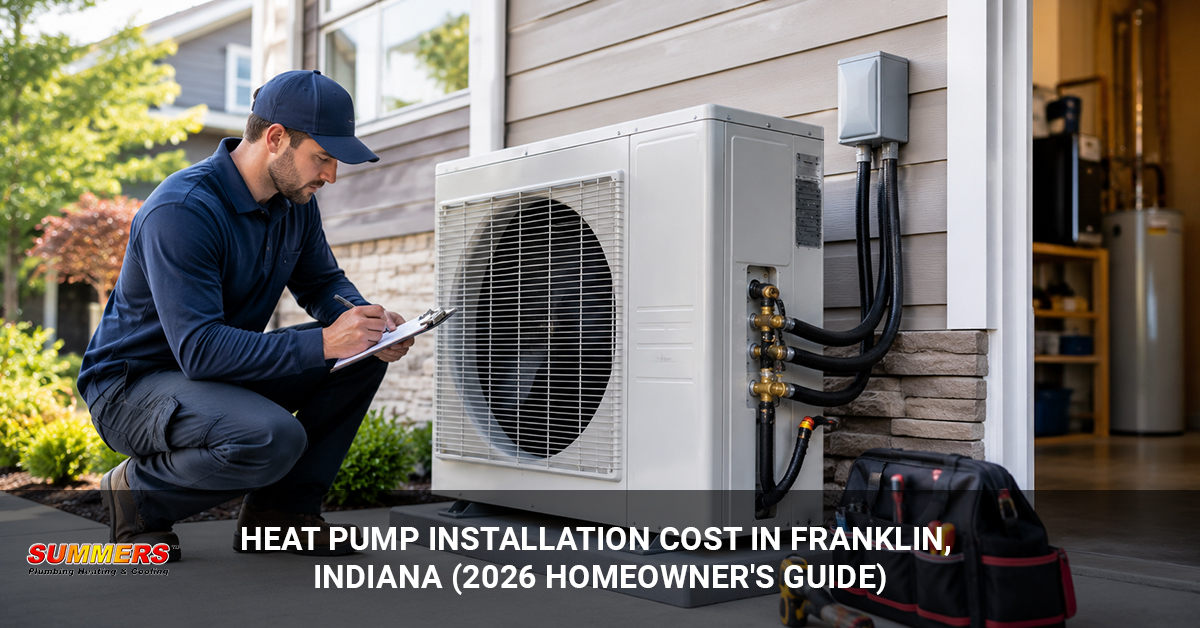
The average heat pump installation cost in Franklin, Indiana, ranges from $6,000 to $12,000 for most homes, depending on the system type, home size, efficiency rating, and installation requirements. Smaller ductless mini-split systems typically cost between $4,500 and $9,000, while high-efficiency cold-climate and dual-fuel systems can range from $8,000 to $16,000. Geothermal heat pumps are the most expensive option, with installation costs starting around $18,000 and reaching $40,000 or more.
While the upfront investment can seem high, a heat pump does more than heat your home. It also provides efficient cooling during the summer, helping replace two separate systems with one. Many homeowners also see lower monthly energy bills because heat pumps move heat instead of generating it, making them one of the most energy-efficient HVAC options available.
Your final installation cost depends on several factors, including the size of your home, the type of heat pump you choose, the condition of your existing ductwork, electrical upgrades, and labor. Every home is different, so professional sizing and installation are essential for getting the best performance and avoiding higher operating costs later.
In this guide, you’ll find average installation costs, the factors that affect pricing, cost comparisons for different heat pump systems, additional expenses to consider, and practical tips to help you choose the right system for your home in Franklin, Indiana.
Average Heat Pump Installation Cost in Franklin, Indiana
The average heat pump installation cost in Franklin, Indiana, is between $6,000 and $12,000 for most homes, including equipment and professional installation. Your total cost depends on the type of heat pump you choose, your home’s size, the system’s efficiency, and whether additional work such as ductwork or electrical upgrades is needed.
Homes with existing ductwork that is in good condition usually cost less to upgrade because the installer can connect the new heat pump to the current system. If your home needs new ducts, electrical panel upgrades, or other modifications, the overall installation cost will be higher.
The table below shows the typical price range for different types of heat pump systems.
| Heat Pump Type | Average Installed Cost |
| Ductless Mini Split | $4,500–$9,000 |
| Air Source Heat Pump | $6,000–$12,000 |
| Cold Climate Heat Pump | $8,000–$15,000 |
| Dual Fuel Heat Pump | $9,000–$16,000 |
| Geothermal Heat Pump | $18,000–$40,000+ |
For most homeowners, an air-source heat pump offers the best balance of upfront cost, energy efficiency, and year-round comfort. Ductless mini-splits are often a more affordable option for smaller homes, additions, or homes without ductwork. Cold-climate and dual-fuel systems cost more but provide stronger heating performance during Indiana winters. Geothermal heat pumps require the highest initial investment, but they can deliver the greatest long-term energy savings.
While installation cost is important, choosing the right system is just as valuable. A properly sized heat pump installed by a qualified HVAC contractor will run more efficiently, last longer, and help reduce energy bills and repair costs over time.
What Does Heat Pump Installation Include?
A heat pump installation includes much more than replacing the outdoor unit. A complete installation covers the new equipment, electrical and refrigerant connections, system testing, and everything needed to make sure your heating and cooling system operates safely and efficiently.
While every home is different, a standard heat pump installation typically includes:
- Removal and disposal of your old heating and cooling equipment
- Installation of the new indoor and outdoor heat pump units
- Installation or replacement of refrigerant lines, if needed
- Electrical connections and safety inspections
- Smart thermostat installation or replacement
- Refrigerant charging and system startup
- Airflow testing and system performance checks
- Manufacturer warranty registration
The condition of your existing ductwork can also affect the installation. If your ducts are properly sized, sealed, and in good condition, they can often be reused, helping reduce installation costs. However, damaged, leaking, or poorly designed ductwork may need repairs or replacement to improve airflow and allow your new heat pump to perform at its best.
Before the work begins, a qualified HVAC contractor should inspect your home’s heating and cooling system, confirm the correct equipment size, and explain exactly what is included in the estimate. This helps prevent unexpected costs and ensures your new heat pump delivers reliable comfort and energy-efficient performance for years to come.
What Factors Affect Heat Pump Installation Cost?
Several factors affect the cost of installing a heat pump, including the type of system, your home’s size, energy efficiency rating, existing ductwork, electrical upgrades, and labor. Understanding these factors can help you compare quotes and choose a system that fits both your comfort needs and budget.
Type of Heat Pump
The type of heat pump you choose has the biggest impact on the total installation cost. Some systems are easier to install and cost less upfront, while others require more equipment and labor but offer greater energy savings over time.
Air-Source Heat Pumps
Air-source heat pumps are the most common choice for homeowners in Franklin. They provide both heating and cooling from a single system and work well with existing ductwork. Because they offer a good balance of performance, efficiency, and affordability, they are often the best option for most homes.
Ductless Mini-Split Systems
Ductless mini-split systems are a good choice for homes without ductwork, room additions, garages, or finished basements. Since they don’t require air ducts, installation is usually simpler. However, installing multiple indoor units for different rooms can increase the total project cost.
Cold-Climate Heat Pumps
Cold-climate heat pumps are designed to heat homes efficiently even during freezing temperatures. They typically cost more than standard air-source models, but they provide stronger winter performance and can reduce the need for supplemental heating during Indiana’s colder months.
Dual-Fuel Heat Pumps
A dual-fuel system combines an electric heat pump with a gas furnace. The heat pump handles heating during mild weather, while the furnace automatically takes over when temperatures drop significantly. Although this setup costs more to install, it offers reliable comfort and improved energy efficiency throughout the year.
Geothermal Heat Pumps
Geothermal heat pumps are the most expensive option because they require underground piping and specialized installation. However, they are also among the most energy-efficient HVAC systems available. Homeowners who plan to stay in their home for many years often recover much of the higher upfront cost through lower energy bills and a longer system lifespan.
Home Size
Your home’s size directly affects the size of the heat pump you need, which also affects the total installation cost. Larger homes require larger systems to provide consistent heating and cooling, while smaller homes can often use lower-capacity units that cost less to install.
Choosing the correct system size is important. A heat pump that’s too small may struggle to keep your home comfortable during very hot or cold weather. On the other hand, an oversized system can turn on and off too often, reducing energy efficiency, causing uneven temperatures, and increasing wear on the equipment.
The table below shows the typical heat pump size based on home size.
| Home Size | Typical Heat Pump Size |
| Up to 1,000 sq. ft. | 1.5–2 Ton |
| 1,000–1,500 sq. ft. | 2–2.5 Ton |
| 1,500–2,000 sq. ft. | 2.5–3 Ton |
| 2,000–2,500 sq. ft. | 3–4 Ton |
| 2,500–3,500 sq. ft. | 4–5 Ton |
These recommendations are only a starting point. The right heat pump size depends on more than just square footage. A professional HVAC contractor should perform a Manual J load calculation, which evaluates your home’s insulation, windows, ceiling height, air leakage, sun exposure, and local climate. This calculation helps ensure the system is properly sized for maximum comfort, energy efficiency, and long-term performance.
Heat Pump Capacity
Heat pump capacity refers to how much heating and cooling a system can provide, and it is measured in tons, not weight. Choosing the right capacity is essential for keeping your home comfortable while maintaining energy efficiency and controlling installation costs.
In general, larger-capacity heat pumps cost more because they require bigger equipment and may involve additional installation work. However, a larger system isn’t always better. An oversized heat pump can short-cycle, leading to uneven temperatures, higher energy bills, and increased wear on the system. A unit that’s too small may run continuously and struggle to heat or cool your home during extreme weather.
The table below shows the most common residential heat pump sizes and the type of homes they typically serve.
| Heat Pump Size | Best For |
| 1.5 Ton | Small homes and condos |
| 2 Ton | Small to medium homes |
| 2.5 Ton | Average single-family homes |
| 3 Ton | Medium-sized homes |
| 4 Ton | Large homes |
| 5 Ton | Very large homes |
The best heat pump size depends on your home’s layout, insulation, ceiling height, window efficiency, and local climate, not just square footage. A qualified HVAC contractor should perform a load calculation before recommending a system to ensure you get the right balance of comfort, efficiency, and long-term value.
Energy Efficiency Ratings
Higher-efficiency heat pumps cost more upfront, but they can lower your energy bills over the life of the system. If you plan to stay in your home for several years, investing in a more efficient model can provide better long-term value.
When comparing heat pumps, you’ll see two important efficiency ratings:
- SEER2 (Seasonal Energy Efficiency Ratio 2): Measures how efficiently the system cools your home. A higher SEER2 rating means lower electricity use during the cooling season.
- HSPF2 (Heating Seasonal Performance Factor 2): Measures heating efficiency. A higher HSPF2 rating means the heat pump uses less energy to keep your home warm.
Heat pumps with higher SEER2 and HSPF2 ratings generally consume less electricity while delivering the same level of comfort. Although these models usually have a higher purchase price, the reduced energy consumption can help offset the additional cost over time.
If you’re replacing an older HVAC system or expect to live in your home for many years, choosing a high-efficiency heat pump can be a smart investment. Along with lower operating costs, you’ll benefit from improved comfort, more consistent performance, and potentially lower environmental impact.
Existing Ductwork
The condition of your existing ductwork can have a big impact on your heat pump installation cost. If your air ducts are in good condition, they can often be reused, helping keep installation costs lower.
However, your contractor may recommend repairing or replacing the ductwork if it has:
- Air leaks
- Poor insulation
- Improper sizing
- Mold or moisture damage
- Restricted airflow
- Age-related wear
Damaged or poorly designed ductwork can reduce your heat pump’s efficiency and make it harder to maintain consistent indoor temperatures. Repairing these issues helps improve airflow, lower energy waste, enhance indoor air quality, and get the best performance from your new system.
Electrical Upgrades
Some homes need electrical upgrades before a new heat pump can be installed safely. Modern heat pumps require enough electrical capacity to operate efficiently and meet current building codes.
Depending on the age of your home, your installation may require:
- Electrical panel upgrades
- New circuit breakers
- Dedicated electrical circuits
- Updated disconnect boxes
- New wiring
These upgrades increase the total installation cost, but they help ensure your heat pump operates safely, reliably, and without overloading your home’s electrical system.
Labor Costs in Franklin, Indiana
Labor is a major part of the total heat pump installation cost in Franklin, Indiana. The amount you pay for labor depends on the complexity of the installation and the amount of work required to complete the project.
Several factors can affect labor costs, including:
- Accessibility of the indoor and outdoor units
- Type and size of the heat pump
- Existing HVAC system configuration
- Ductwork repairs or modifications
- Electrical upgrades
- Permit and inspection requirements
- System testing and final performance checks
Choosing the lowest estimate isn’t always the best decision. An experienced, licensed HVAC contractor will properly size the system, install it according to manufacturer specifications, and test it before the job is complete. A quality installation helps your heat pump run more efficiently, last longer, maintain warranty coverage, and reduce the risk of costly repairs in the future.
Is Installing a Heat Pump Worth the Cost?
Yes, installing a heat pump is worth the cost for many homeowners in Franklin, Indiana, because it provides year-round comfort, lowers energy use, and can reduce long-term heating and cooling costs. Although the upfront investment is higher than that of some traditional HVAC systems, the long-term savings and added convenience often make it a smart investment.
A heat pump combines heating and cooling in one system, so you don’t need separate equipment for each season. Modern models are quieter, more energy efficient, and designed to perform well in Indiana’s changing climate. Many homeowners also notice more consistent indoor temperatures and better humidity control throughout the year.
Some of the biggest benefits of installing a heat pump include:
- Lower monthly energy bills
- Heating and cooling from one system
- More consistent indoor comfort
- Increased home value
- Reduced energy consumption
- Potential eligibility for rebates, tax credits, or financing programs
Whether a heat pump is the right choice depends on your home’s size, insulation, existing HVAC system, and budget. If your current furnace or air conditioner is aging, requires frequent repairs, or has become less efficient, replacing it with a modern heat pump can be a cost-effective long-term solution.
For homeowners planning to stay in their home for many years, the combination of lower operating costs, improved comfort, and reliable performance often outweighs the higher initial installation cost.
Heat Pump Installation Cost by System Type
Heat pump installation costs vary by system type because each option has different equipment, installation requirements, and efficiency levels. Choosing the right heat pump depends on your home’s size, existing HVAC system, budget, and heating and cooling needs.
Air-Source Heat Pumps
Air-source heat pumps typically cost between $6,000 and $12,000 to install and are the most popular choice for homeowners in Franklin, Indiana. They provide both heating and cooling by transferring heat between your home and the outdoor air, making them an energy-efficient and cost-effective solution for year-round comfort.
Average Installed Cost: $6,000–$12,000
Air-source heat pumps are a practical option for most homes because they offer an excellent balance of affordability, performance, and energy efficiency. They work with existing ductwork in many homes, making installation more straightforward and helping keep costs lower than some other heat pump systems.
Some of the main benefits include lower installation costs than geothermal systems, year-round heating and cooling from a single system, high energy efficiency, compatibility with existing ductwork, and widely available replacement parts that simplify future maintenance and repairs.
Like any HVAC system, air-source heat pumps also have a few limitations. Their heating efficiency can decrease during extremely cold temperatures, and some homes may need supplemental heating during periods of severe winter weather.
For most single-family homes in Franklin, an air-source heat pump provides the best combination of upfront cost, energy savings, and reliable performance. When properly sized and professionally installed, it can deliver consistent comfort throughout the year while helping reduce monthly energy costs compared to many older heating and cooling systems.
Ductless Mini-Split Heat Pumps
Ductless mini-split heat pumps typically cost between $4,500 and $9,000 for a single-zone system, making them an excellent choice for homes without existing ductwork. Multi-zone systems generally cost $8,000 to $15,000 or more, depending on the number of indoor units installed.
A ductless mini-split system uses one outdoor condenser connected to one or more indoor air handlers. Since no ductwork is required, installation is usually faster and less invasive than installing a traditional central HVAC system. These systems deliver heated or cooled air directly into each room, helping reduce energy loss that can occur through ducts.
Average Installed Cost
| System Type | Average Installed Cost |
| Single-Zone Mini Split | $4,500–$9,000 |
| Multi-Zone Mini Split | $8,000–$15,000+ |
Ductless mini-splits are highly energy efficient and allow you to control the temperature in individual rooms instead of heating or cooling the entire house. This zoning feature can improve comfort while helping lower monthly energy bills.
Some of the biggest advantages include no ductwork requirements, excellent energy efficiency, independent temperature control for each room, quiet operation, and simple installation for room additions, garages, remodeled spaces, and older homes.
There are a few factors to consider before choosing a mini-split system. The indoor air handlers are mounted on walls or ceilings, which may not match every homeowner’s design preferences. In addition, installation costs increase as more indoor units are added to create a multi-zone system.
Ductless mini-split heat pumps are ideal for older homes, finished basements, garages, sunrooms, room additions, and homes without central HVAC. Learn more about AC installation in Franklin, Indiana, and when it makes sense to upgrade your system. They are also a great option for homeowners who want greater control over temperatures in different areas of the house while improving energy efficiency.
Cold-Climate Heat Pumps
Cold-climate heat pumps typically cost between $8,000 and $15,000 to install and are designed to provide reliable heating during freezing temperatures. Unlike older heat pump models, today’s cold-climate systems maintain strong heating performance even during much of Indiana’s winter, making them a practical option for many Franklin homeowners.
These systems use advanced compressors and improved refrigerant technology to extract heat from outdoor air more efficiently in cold weather. As a result, they can keep your home comfortable while using less energy than many traditional heating systems.
Average Installed Cost: $8,000–$15,000
Cold-climate heat pumps offer several benefits, including improved heating performance during winter, lower energy consumption, reduced reliance on backup heating, and more consistent indoor comfort when outdoor temperatures drop below freezing.
The main trade-off is the higher upfront investment. Cold-climate models typically cost more than standard air-source heat pumps, and installation costs may also be higher because of the premium equipment.
If you’re replacing an older furnace and want lower long-term energy costs without sacrificing winter comfort, a cold-climate heat pump is often a smart investment. When properly sized and professionally installed, it can provide dependable heating throughout most of the winter while also delivering efficient cooling during the summer.
Dual-Fuel Heat Pumps
Dual-fuel heat pumps typically cost between $9,000 and $16,000 to install and offer excellent heating performance in both mild and extremely cold weather. These systems combine an electric heat pump with a natural gas furnace, allowing each system to operate when it is most efficient.
During mild weather, the heat pump provides energy-efficient heating. When outdoor temperatures drop significantly, the system automatically switches to the gas furnace to maintain comfortable indoor temperatures. This automatic changeover helps improve efficiency while ensuring reliable heating throughout the winter.
Average Installed Cost: $9,000–$16,000
Dual-fuel systems are known for their strong cold-weather performance, lower annual energy costs, dependable operation, and consistent indoor comfort. Because the heat pump handles most of the heating during moderate temperatures, the furnace runs less often, which can help reduce energy consumption over time.
The higher installation cost is the main drawback. These systems include both a heat pump and a gas furnace, making the equipment more complex than a standard heat pump. As a result, installation costs are higher, and routine maintenance may involve servicing both systems.
A dual-fuel heat pump is an excellent choice for homes with existing natural gas service and for homeowners who want to lower heating costs without giving up the dependable performance of a furnace during Indiana’s coldest winter days.
Geothermal Heat Pumps
Geothermal heat pumps typically cost between $18,000 and $40,000 or more to install, but they offer the highest level of energy efficiency and the lowest long-term operating costs. Instead of using outdoor air, these systems transfer heat through underground pipes, where the ground maintains a more stable temperature throughout the year.
Because the earth’s temperature changes very little with the seasons, geothermal systems provide reliable heating in winter and efficient cooling in summer. Although the upfront investment is much higher than other heat pump systems, many homeowners recover part of the cost through lower energy bills over the life of the system.
Average Installed Cost: $18,000–$40,000+
Geothermal heat pumps are known for their exceptional energy efficiency, very low operating costs, long service life, quiet operation, and reduced environmental impact. The underground loop system can often last for decades with proper maintenance, making geothermal one of the longest-lasting HVAC solutions available.
The biggest disadvantage is the initial installation cost. These systems require excavation or drilling to install the underground loop, which increases both labor and project costs. Installation also takes longer than a standard air-source or ductless heat pump because of the additional site work involved.
A geothermal heat pump is best suited for homeowners who plan to stay in their home for many years and want to maximize long-term energy savings. While the initial investment is significant, the combination of lower utility costs, reliable performance, and long equipment life can make it a worthwhile investment over time.
Heat Pump Installation Cost by Home Size
Heat pump installation costs generally increase as your home’s size increases because larger homes need higher-capacity systems. A larger heat pump costs more to purchase and install, and bigger homes may also require additional labor or upgrades to ensure the system performs efficiently.
The estimates below are based on a professionally installed air-source heat pump and provide a general pricing guide for homeowners in Franklin, Indiana.
| Home Size | Estimated Installation Cost |
| Up to 1,000 sq. ft. | $5,500–$7,500 |
| 1,000–1,500 sq. ft. | $6,000–$8,500 |
| 1,500–2,000 sq. ft. | $7,000–$10,000 |
| 2,000–2,500 sq. ft. | $8,000–$11,500 |
| 2,500–3,000 sq. ft. | $9,000–$13,000 |
| 3,000+ sq. ft. | $11,000–$16,000+ |
These price ranges are estimates and can increase if your installation requires ductwork repairs, electrical upgrades, premium high-efficiency equipment, or other home modifications.
While home size is an important factor, it should never be the only factor used to choose a heat pump. Two homes with the same square footage may require different system sizes because of differences in insulation, window quality, ceiling height, air leakage, and overall design.
For the best results, a qualified HVAC contractor should perform a Manual J load calculation before recommending a system. This professional assessment ensures your heat pump is properly sized for your home’s heating and cooling needs, helping improve comfort, reduce energy costs, and extend the life of the equipment.
Additional Costs Homeowners Should Expect
The quoted price for a heat pump installation doesn’t always include every cost, so your final bill may be higher than the initial estimate. Depending on your home’s condition and the complexity of the installation, you may need additional work or equipment to complete the project.
The table below outlines some of the most common additional costs homeowners may encounter.
| Additional Service | Typical Cost Range |
| Permit Fees | $100–$500 |
| Smart Thermostat | $150–$500 |
| Electrical Panel Upgrade | $1,000–$3,500 |
| New Refrigerant Line Set | $300–$1,000 |
| Condensate Pump | $150–$500 |
| Ductwork Repairs | $500–$2,500 |
| New Ductwork | $2,000–$6,000+ |
| Old HVAC Removal | $200–$800 |
| Attic or Crawlspace Modifications | Varies |
| Insulation Improvements | Varies |
Not every home will require these upgrades. For example, if your electrical system, ductwork, and refrigerant lines are already in good condition, you may avoid many of these additional expenses. However, older homes often need electrical improvements or ductwork repairs before a new heat pump can be installed safely and efficiently.
Before approving the project, ask your HVAC contractor for a detailed written estimate that clearly lists what is included in the installation price and any potential extra costs. Understanding the full scope of work upfront can help you avoid unexpected charges and make it easier to compare quotes from different contractors.
Should You Replace Your Thermostat?
Yes, replacing your thermostat during a heat pump installation is often a smart investment because it helps your new system operate more efficiently. Many modern heat pumps work best with programmable or smart thermostats that are designed to optimize heating and cooling performance.
Upgrading your thermostat can provide several benefits, including:
- Better temperature control throughout your home
- Improved energy efficiency
- Remote control using a smartphone app
- Custom heating and cooling schedules
- Energy usage monitoring and reports
Although adding a new thermostat increases the upfront installation cost, it can help lower monthly energy bills while improving comfort and convenience. A smart thermostat can automatically adjust temperatures based on your schedule, reducing unnecessary energy use when you’re away from home.
If your current thermostat is outdated or not compatible with your new heat pump, replacing it during installation is usually the most cost-effective option. Your HVAC contractor can recommend a thermostat that works seamlessly with your new system and helps you get the best performance from your investment.
Heat Pump vs. Furnace Installation Cost
A heat pump usually costs more to install than a gas furnace, but it provides both heating and cooling in one system. If you’re comparing long-term operating costs, energy savings, and overall value, see our guide to heat pump vs. furnace in Franklin, Indiana. A gas furnace has a lower upfront cost, but you’ll also need a separate air conditioner if your home doesn’t already have one.
The table below compares the two systems.
| Feature | Heat Pump | Gas Furnace |
| Average Installation Cost | $6,000–$12,000 | $4,500–$9,500 |
| Heating | ✔ | ✔ |
| Cooling | ✔ | ✘ (Requires a separate AC system) |
| Energy Efficiency | Excellent | Good |
| Fuel Source | Electricity | Natural Gas or Propane |
| Monthly Energy Costs | Usually Lower | Depends on Gas Prices |
| Expected Lifespan | 15–20 Years | 15–20 Years |
| Environmental Impact | Lower | Higher |
A gas furnace can be a good option if you already have a central air conditioner and want the lowest upfront installation cost. See our guide on repairing or replacing your furnace in Franklin, Indiana, to help you decide which direction makes more sense. However, because it only provides heating, you’ll need to maintain two separate systems for year-round comfort.
A heat pump offers a more complete solution by handling both heating and cooling. Although the initial investment is typically higher, many homeowners benefit from lower energy bills, improved energy efficiency, and the convenience of maintaining a single HVAC system instead of two separate units.
For many homes in Franklin, Indiana, a modern cold-climate or dual-fuel heat pump provides an excellent balance of comfort, energy savings, and long-term value. The best choice ultimately depends on your home’s insulation, local climate, available fuel sources, and budget. A qualified HVAC contractor can help you compare options and recommend the system that best fits your heating and cooling needs.
Does a More Expensive Heat Pump Save Money?
Yes, a higher-efficiency heat pump can save money over time by reducing energy use and lowering operating costs. While premium models cost more to install, they often use less electricity and provide better performance throughout their lifespan.
A high-efficiency heat pump can offer several long-term benefits, including:
- Lower monthly electricity bills
- Reduced maintenance and repair costs
- More consistent indoor comfort
- Better humidity control during summer
- Longer equipment lifespan
- Higher home resale value
If you plan to stay in your home for many years, paying more for a quality, energy-efficient heat pump can provide better long-term value than choosing the lowest-priced system. The savings on utility bills and reduced maintenance costs may help offset the higher upfront investment over time.
How Long Does Heat Pump Installation Take?
Most heat pump installations are completed within one to two days. However, projects that require new ductwork, electrical upgrades, or geothermal ground loops may take several additional days.
A standard installation typically includes:
- Removing the existing HVAC equipment
- Installing the new indoor and outdoor heat pump units
- Connecting refrigerant lines and electrical wiring
- Charging the system with refrigerant
- Testing airflow and refrigerant levels
- Verifying system performance and safety
- Explaining system operation and basic maintenance to the homeowner
Working with an experienced HVAC contractor helps ensure the installation is completed safely, follows manufacturer guidelines, and delivers the best possible performance from your new system.
Are Heat Pumps Worth It in Franklin, Indiana?
Yes, heat pumps are worth considering for many homeowners in Franklin, Indiana, because they provide efficient heating and cooling in one system while helping reduce long-term energy costs. Modern heat pumps perform much better in cold weather than older models and are well-suited for Indiana’s changing seasons.
Franklin experiences hot, humid summers and cold winters, making a heat pump a practical year-round solution. Instead of installing separate heating and cooling equipment, you can rely on one system to keep your home comfortable throughout the year. Visit our guide on indoor air quality in Franklin, Indiana, to learn how your HVAC system affects the air your family breathes.
Some of the biggest benefits of installing a heat pump include:
- Lower annual energy consumption
- Heating and cooling from one system
- More consistent indoor temperatures
- Better humidity control during summer
- Quieter operation than many older HVAC systems
- Reduced carbon emissions
- Potential eligibility for rebates, tax credits, or financing programs
Although a gas furnace may still be a better choice for homes that regularly experience extended periods of extreme cold, many homeowners in Franklin find that modern cold-climate and dual-fuel heat pumps provide reliable winter heating while using less energy.
If your current furnace or air conditioner is more than 15 years old, needs frequent repairs, or has become less efficient, replacing it with a heat pump can improve comfort, lower operating costs, and provide dependable heating and cooling for years to come.
Federal Tax Credits, Rebates, and Financing
Installing an energy-efficient heat pump may qualify you for tax credits, rebates, or financing programs that can reduce your overall installation cost. These incentives can make replacing an older heating and cooling system more affordable while helping you invest in a more energy-efficient home.
Depending on current programs, you may be eligible for:
- Federal energy-efficiency tax credits
- Local utility company rebates
- Manufacturer rebates or promotional offers
- Seasonal installation discounts
- Low-interest HVAC financing
- Flexible monthly payment plans
Available incentives can change from year to year, and eligibility often depends on the type of heat pump you install and its energy efficiency rating. Before purchasing a new system, ask your HVAC contractor about any federal, state, local, or manufacturer incentives that may apply to your installation.
Even if rebates are limited, financing options can make a new heat pump easier to fit into your budget. Many HVAC companies offer financing plans that allow you to spread the installation cost over affordable monthly payments instead of paying the full amount up front. See our AC replacement financing options to explore what may be available for your installation.
How to Save Money on Heat Pump Installation
You can reduce the cost of installing a heat pump by planning ahead, choosing the right system, and improving your home’s energy efficiency. The goal isn’t to buy the cheapest system but to get the best value for your investment.
1. Get Multiple Estimates
Getting quotes from several licensed HVAC contractors is one of the best ways to save money. Comparing estimates helps you understand local pricing, identify what’s included in each proposal, and avoid overpaying.
Don’t base your decision on price alone. Also compare the contractor’s experience, warranty coverage, customer reviews, and the quality of the equipment being offered.
2. Choose the Right System Size
A properly sized heat pump operates more efficiently and costs less to run over time. An oversized system can short cycle, while an undersized system may struggle to keep your home comfortable during extreme weather.
Ask your contractor to perform a Manual J load calculation before recommending a system. This helps ensure your heat pump is correctly sized for your home’s heating and cooling needs.
3. Replace Your HVAC System Before It Fails
Replacing your HVAC system before it breaks down gives you more time to compare options and avoid emergency installation costs.
Planning ahead allows you to:
- Compare multiple contractors
- Take advantage of seasonal promotions
- Research available rebates and tax credits
- Schedule installation during slower seasons when contractors may offer better pricing
4. Improve Your Home’s Insulation
A well-insulated home keeps warm air inside during winter and blocks heat during summer. Improving attic insulation, sealing air leaks, and replacing worn weatherstripping can reduce the workload on your heat pump and may allow you to install a smaller, less expensive system.
5. Repair or Seal Ductwork
Leaky or damaged ductwork can waste a significant amount of heated and cooled air. Repairing or sealing ducts improves airflow, increases system efficiency, and helps your heat pump deliver consistent comfort throughout your home. Explore our duct sealing in Franklin guide to understand what’s involved and how it can help.
6. Schedule Annual Maintenance
Routine maintenance helps protect your investment and keeps your heat pump operating efficiently. Annual inspections allow HVAC technicians to identify small issues before they become costly repairs, improve system performance, and extend the lifespan of your equipment.
Signs It’s Time to Replace Your HVAC System
If your HVAC system is old, inefficient, or needs frequent repairs, replacing it with a new heat pump may be the more cost-effective option. While regular maintenance can extend the life of your equipment, every system eventually reaches a point where replacement offers better value than continued repairs.
Here are some of the most common signs that it may be time to upgrade your heating and cooling system.
Rising Energy Bills
If your utility bills keep increasing without a significant change in energy usage, your HVAC system may be losing efficiency. Check our guide on high energy bills in Franklin, Indiana, to find out what may be causing the increase. Older equipment often has to work harder to maintain the same level of comfort, which leads to higher operating costs.
Frequent Repairs
Occasional repairs are normal, but repeated service calls can become expensive. If your system needs repairs every year—or several times during a single season—replacing it may save you money over the long term.
Uneven Heating or Cooling
Rooms that are consistently too hot or too cold may indicate that your HVAC system is no longer distributing air properly. While ductwork issues can sometimes be the cause, aging equipment is another common reason for uneven temperatures.
Excessive Noise
Grinding, rattling, banging, or squealing noises are often signs of worn or failing components. If your HVAC system has become noticeably louder than it used to be, it may be nearing the end of its service life.
System Age
Most heat pumps and furnaces last 15 to 20 years with proper maintenance. As equipment ages, it typically becomes less efficient, requires more repairs, and may struggle to keep your home comfortable during extreme weather.
Poor Indoor Comfort
If your home feels humid during the summer, drafty in the winter, or takes longer to reach the desired temperature, your HVAC system may no longer be performing efficiently. Upgrading to a modern heat pump can improve temperature control, humidity management, and overall indoor comfort while reducing energy use.
How to Choose the Right Heat Pump Installer in Franklin
Choosing an experienced and qualified HVAC contractor is just as important as choosing the right heat pump. Even a high-quality system can lose efficiency, require more repairs, or have a shorter lifespan if it isn’t installed correctly.
When comparing HVAC companies in Franklin, look for a contractor that provides:
- Proper licensing and insurance
- Experience installing heat pump systems
- Manual J load calculations
- Detailed written estimates
- Transparent pricing with no hidden fees
- Manufacturer warranties
- Labor warranties
- Financing options
- Positive customer reviews
- Preventive maintenance plans
Before signing a contract, ask how the contractor determines the correct system size, what the installation process includes, what warranties are provided, and whether the estimate covers any additional work such as ductwork or electrical upgrades. These questions can help you avoid unexpected costs and ensure you’re comparing similar proposals.
A reputable HVAC contractor will take the time to inspect your home, explain your options, and recommend the system that best fits your heating and cooling needs—not simply the most expensive model. Working with a trusted local professional helps ensure your heat pump is installed correctly, operates efficiently, and provides reliable comfort for years to come.
Frequently Asked Questions
How much does it cost to install a heat pump in Franklin, Indiana?
Most homeowners in Franklin, Indiana, spend between $6,000 and $12,000 for a professionally installed air-source heat pump. The final cost depends on factors such as the type of heat pump, home size, energy efficiency rating, and whether electrical upgrades or ductwork modifications are needed.
Are heat pumps efficient during Indiana winters?
Yes. Modern cold-climate heat pumps are designed to operate efficiently in freezing temperatures. Many homeowners in Indiana also choose dual-fuel systems that automatically switch to a gas furnace during extremely cold weather for added comfort and efficiency.
How long does a heat pump last?
Most heat pumps last between 15 and 20 years with proper maintenance. Scheduling annual tune-ups, replacing air filters regularly, and addressing minor repairs promptly can help extend the life of your system.
How long does heat pump installation take?
Most residential heat pump installations take one to two days to complete. Projects that require new ductwork, electrical upgrades, or geothermal ground loop installation may take several additional days.
Is a heat pump cheaper to operate than a furnace?
In many cases, yes. Heat pumps are highly energy efficient because they transfer heat instead of generating it. Actual operating costs depend on electricity and natural gas prices, your home’s insulation, and local weather conditions.
Can a heat pump replace both my furnace and air conditioner?
Yes. A heat pump provides both heating and cooling, making it an all-in-one HVAC system for many homes. In colder climates, some homeowners choose a dual-fuel system that combines a heat pump with a gas furnace for additional winter heating.
What size heat pump do I need?
The right heat pump size depends on more than just your home’s square footage. Factors such as insulation, window efficiency, ceiling height, air leakage, and local climate all affect system sizing. A Manual J load calculation performed by a qualified HVAC contractor is the most accurate way to determine the correct size.
Do heat pumps require regular maintenance?
Yes. Annual professional maintenance helps keep your heat pump running efficiently and reliably. Regular tune-ups, filter changes, and system inspections can reduce repair costs, improve performance, and extend the life of the equipment.
Is installing a heat pump a good investment?
Yes, a heat pump is a worthwhile investment for many homeowners. It provides year-round heating and cooling, improves energy efficiency, lowers long-term utility costs, and can increase overall home comfort.
Can I finance a heat pump installation?
Yes. Many HVAC companies offer financing options to help make heat pump installation more affordable. Financing plans allow homeowners to spread the cost into manageable monthly payments, although terms and approval requirements vary by contractor and lender.
Final Thoughts
Installing a heat pump is a smart long-term investment for many homeowners in Franklin, Indiana. It provides efficient heating and cooling in one system, improves year-round comfort, and can help lower energy costs when properly sized and installed.
For most homes, heat pump installation costs range from $6,000 to $12,000 for a standard air-source system. However, your final price will depend on the type of heat pump you choose, your home’s size, the system’s efficiency, the condition of your ductwork, and any electrical or installation upgrades that may be needed.
Instead of focusing only on the upfront cost, consider the long-term value. A professionally installed heat pump can deliver reliable heating and cooling for 15 to 20 years, reduce monthly utility bills, and minimize future repair costs with regular maintenance.
Before moving forward, schedule an in-home evaluation with a trusted HVAC contractor. A professional assessment, Manual J load calculation, and detailed written estimate will help ensure you choose the right heat pump for your home and budget.
With the right equipment and expert installation, you’ll enjoy greater comfort, improved energy efficiency, and dependable performance through every season in Franklin, Indiana.