

What to Do If Your Basement Floods in Dayton
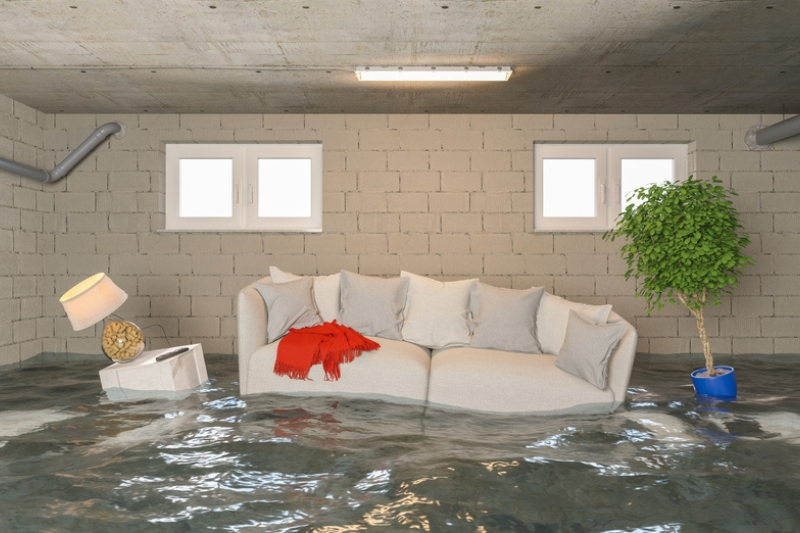
What to Do If Your Basement Floods in Dayton
Heavy storms and unexpected downpours can turn your Dayton area basement into a source of stress and concern. For homeowners across the region, basement flooding is an all-too-common problem that often strikes without warning. If you are facing this frustrating situation, you are not alone. At Summers Plumbing Heating & Cooling, we have supported the Dayton community with expert plumbing solutions since 1969, and our experience can help you take the right steps in a tough moment.
Dealing with a plumbing emergency? Contact Summers Plumbing Heating & Cooling for expert plumbing solutions in Dayton. Get a Free Service Call with Paid Repair this month only! (Terms and conditions apply).
Basement flooding can happen for many reasons. During severe weather, drainage systems may get overwhelmed, groundwater can seep through small cracks in your foundation, or critical equipment like your sump pump could fail when you need it most. No matter how the water arrived, acting quickly and safely makes all the difference in protecting your home and your loved ones.
Safety First: Assess Before You Act
When you discover that your basement is flooding, your first concern must be safety. Water in the basement may conceal hazards, especially electrical ones. Refrain from entering the basement if standing water is present, or if water has reached outlets, appliances, or electrical panels. Turn off the power to your basement at your electrical panel only if you can do so safely and without standing in water.
Should you notice unusual smells such as gas, evacuate your home and seek immediate assistance from professionals. Floodwaters can create unpredictable health risks, so wait until trained experts confirm that the area is safe before reentering.
Determine the Source of the Flood
Once you are certain that conditions are safe, the next priority is figuring out where the water is coming from. This helps you decide on further action and how best to prevent additional damage. The most common reasons for a flooded basement in the Dayton area include:
- Groundwater intrusion after heavy rainfall
- Malfunctioning or overwhelmed sump pumps
- Clogged basement drains or sewer backups
- Plumbing leaks or burst pipes
- Poor drainage or grading around your property
If you suspect your household plumbing is to blame, contact a trusted local plumber right away. The sooner the issue is identified, the quicker you can take steps to keep damage under control.
Understanding Sump Pump Problems
Your sump pump serves as the frontline defender against basement flooding, especially during the intense storms that can pass through our region. Unfortunately, this crucial equipment is often put to the test right when it is needed most. Sump pump failures can stem from loss of power, clogged intakes, stuck switches, or outdated units unable to keep up with water flow. If your sump pit is overflowing or the pump is unresponsive, do not attempt repairs yourself if there is any question about electrical safety. Leave these assessments to trained professionals who can check your system safely and recommend repairs or replacements as needed.
Stopping the Water Source (When Possible)
If your basement is filling with water due to a burst pipe or a broken water-using appliance, shutting off your home’s main water valve can curb further flooding. Every homeowner should know how to quickly locate and operate this shutoff valve, but never put yourself in harm’s way to reach it, particularly if water is close to any wiring or appliances. For flooding caused by nature, such as heavy rain, your best approach is to focus on drainage, safe water removal, and prevention rather than water shutoff.
Avoid Electrical Equipment in Wet Areas
While you might want to jump right into cleanup, never use electrical devices such as vacuums or fans in or near standing water. The risk of electrical shock is significant, especially if you are not sure how far the water has traveled or what systems may have been compromised. Any appliances that have come into contact with water should always be inspected by a professional before being plugged back in or operated.
Document Damage for Insurance Claims
Thorough documentation is essential for insurance purposes. Before starting any cleanup or removal, take clear photos and videos of the damage. Make sure to include:
- The high water mark and water levels
- Impact on furniture, flooring, and personal belongings
- Visible damage to wall surfaces and mechanical systems
- Evidence of water entry points
These details will support your insurance claim and help ensure you are adequately compensated and advised on the next steps.
Treat Moisture That Lingers After Floodwaters Recede
Just because the visible water is gone does not mean your basement is fully dry or safe. Persisting moisture behind walls, beneath flooring, or inside insulation can lead to serious problems like mold growth and a decline in your home’s air quality. Sometimes it is necessary to remove wet building materials rather than simply drying surfaces. Consulting with professionals on post-flood moisture is a wise move, as expert guidance can help you avoid long-term problems that are much more costly than the initial cleanup.
Drain and Sewer Solutions to Prevent Future Flooding
Flooded basements sometimes reveal larger drainage or sewer issues. Warning signs like slow drains, gurgling sounds, or strong odors should not be ignored. If these symptoms appear, reduce household water use and reach out to a local plumbing specialist immediately. Timely attention keeps minor blockages and drainage concerns from turning into major basement flooding events.
Proactive Steps to Avoid Repeat Incidents
Protecting your Dayton area home from future basement flooding means preventative maintenance and regular system checks. Here are some helpful actions you can take:
- Test your sump pump often by adding water to verify operation
- Keep sump pits free from debris and ensure discharge pipes route water well away from your house
- Add a battery backup sump pump to maintain function during power outages
- Keep gutters and downspouts clear and direct runoff away from your foundation
If basement flooding is a repeating problem, a comprehensive plumbing and drainage assessment can reveal underlying issues and provide recommendations to help avoid trouble in the future.
Summers PHC Is Ready to Restore Your Basement
No homeowner wants to face a flooded basement, but with the right approach and expert support, you can minimize damage and safeguard your space. If flooding is threatening your Dayton home, Summers Plumbing Heating & Cooling stands ready to help. We’ll evaluate your plumbing, offer efficient solutions, and deliver repairs with upfront pricing and honest communication. Our legacy serving homeowners in the Dayton area means you can trust our team with even the toughest emergencies.
Protect your home after a flood—contact our experts today for prompt assistance, preventative maintenance, or a full plumbing inspection. Schedule your Dayton service at (937) 400-3920 or book your appointment online. For peace of mind, rely on our experience and discover why Dayton chooses Summers Plumbing Heating & Cooling year after year.