
Troubles with Tree Roots in Sewer Lines? Here’s Your Solution
Troubles with Tree Roots in Sewer Lines? Here’s Your Solution
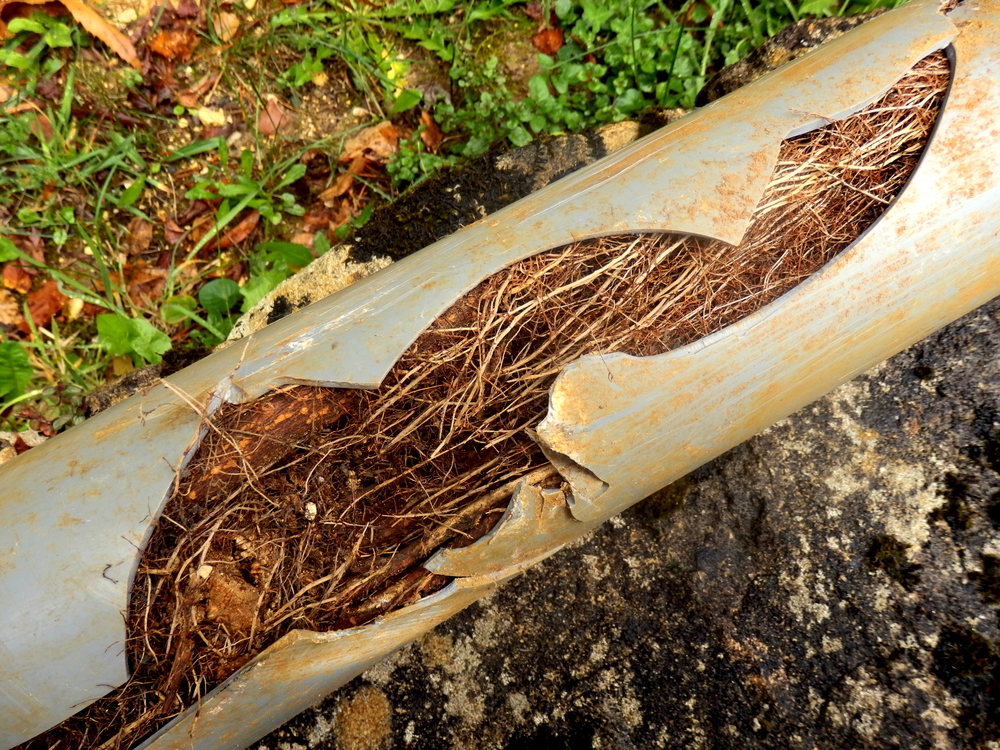
Those beautiful, mature trees that add shade and charm to your Dayton property can also be the source of unexpected plumbing headaches. Tree roots, in their search for water and nutrients, can invade sewer lines—especially older or compromised pipes—causing stubborn clogs, wastewater backups, and costly damage. Even tiny cracks or loose joints in underground pipes become entryways for thirsty roots. As roots proliferate inside the pipe, they catch debris and restrict water flow, steadily leading to serious blockages. The good news is that these problems often develop gradually, giving homeowners the chance to spot early warning signs and take action before disaster strikes.
Experiencing clogged drains? Contact Summers Plumbing Heating & Cooling for expert plumbing solutions in Dayton. Get a $99 Drain Cleaning today! (Terms and conditions apply).
This guide will help you recognize the warning signs of tree root intrusion in your sewer system, understand your options for solving the problem, and offer preventative tips to protect your plumbing long-term.
Why Do Tree Roots Invade Sewer Pipes?
The main sewer line is the highway for wastewater exiting your Dayton home. In new construction, these pipes are often made of durable materials like PVC or ABS, but many Dayton area homes were built using cast iron or clay pipes. Over the years, these older pipes deteriorate—forming tiny cracks, shifting at the joints, and becoming more vulnerable to invasion. Tree roots are naturally attracted to the moisture, warmth, and nutrients inside sewer pipes. Once they find an opening, roots grow quickly, filling the pipe, trapping grease and debris, and restricting drainage.
Certain species are especially notorious for this behavior. Willows, maples, elms, sycamores, poplars, and birches are among the most aggressive root invaders. If any of these trees line your property in Dayton and your home’s sewer system uses older materials, you may be at a higher risk for problems.
Common Signs of Tree Root Problems in Sewer Lines
Because your sewer lines are buried underground, you won’t see tree roots invading your pipes. However, several warning signals can indicate roots have taken hold:
- Multiple slow drains: If you notice several drains (bathroom, kitchen, laundry) are running slowly at the same time, the main sewer line could be clogged by roots.
- Frequent toilet backups: Recurrent clogs in more than one toilet suggest a main line issue rather than a localized blockage.
- Backups and overflows: Wastewater backing up into lower-level tubs, showers, or floor drains hints at a significant obstruction.
- Gurgling or bubbling noises: Drains that gurgle when a nearby appliance runs could be signaling restricted air or water flow in the sewer line.
- Unpleasant sewer odors: A persistent foul smell coming from one or more drains can mean sewage has become trapped by roots and is seeping back into the system.
- Vivid, soggy lawn patches: Extra-green, wet spots in your yard (even during dry days) may indicate an underground leak where roots have cracked the pipe.
If you experience these symptoms, don’t wait. Contact a licensed plumbing expert from Summers Plumbing Heating & Cooling for an inspection and professional diagnosis to determine if invading tree roots are the cause.
What to Do if Tree Roots Have Invaded Your Sewer Line
If you suspect tree roots have penetrated your sewer pipes, acting quickly can help you avoid bigger problems—like burst pipes, contamination, or serious home damage. First, limit your water use and stop running appliances like washing machines or dishwashers. The next step is to call a professional who can inspect your sewer using advanced methods, such as a CCTV drain camera inspection. This detailed, real-time view allows your plumber to locate the problem and assess its extent without unnecessary digging.
Consequences of neglected tree root blockages can include: persistent clogs, repeated overflows, slow drainage, and even cracked or broken pipes that lead to sewage leaks in your yard or basement. Extensive water leakage can cause soil erosion or foundation stress, compounding the issues and increasing the risk of costly repairs.
Effective Solutions for Tree Root Intrusion
There are several established approaches to resolving sewer issues caused by tree roots. The right solution depends on the severity and specific location of the intrusion:
- Mechanical Root Removal: A specialized auger or “rooter” device with rotating blades can be inserted into the pipe to physically cut away roots inside. This restores flow but does not prevent regrowth if cracks or gaps remain.
- Hydro-Jetting: High-pressure water is used to blast away roots and any accumulated debris. Hydro-jetting typically cleans the inside of pipes more thoroughly than mechanical snaking, but like snaking, it is most effective when followed up with pipe repair to prevent future entry.
- Pipe Lining: If the structure of the pipe allows, a resin-coated liner can be installed inside the damaged section. This creates a seamless, root-impermeable barrier, sealing cracks and joints to prevent further intrusion.
- Pipe Replacement: Severely compromised pipes may require replacement. This can be achieved using traditional excavation or trenchless methods like pipe bursting to minimize disturbance to your yard.
A thorough inspection by a plumbing professional in the Dayton area will help determine which solution fits your needs best and prevents future root problems.
How to Prevent Future Tree Root Sewer Damage
Tree root invasions often go unnoticed until significant damage occurs, so preventive maintenance is crucial. Regular sewer inspections with a camera can help spot early signs of growing roots, pipe degradation, or blockages—especially if your Dayton area home has mature trees nearby or older sewer lines. Scheduling annual checks with Summers Plumbing Heating & Cooling is the most reliable way to protect your sewer line and your property.
In addition, if you’re experiencing chronic plumbing issues, our waterproof, high-definition cameras can probe deep into your sewer line to provide a clear assessment, allowing for targeted repairs and root prevention. Don’t ignore small problems, like slow drains or occasional backups; these early symptoms are your best chance to avoid an emergency.
Take advantage of our current $99 drain cleaning special for preventive care or to address any stubborn blockage. It’s a smart way to safeguard your Dayton home and ensure a free-flowing system.
Summers PHC Is Here to Protect Your Home
When it comes to tree roots in sewer lines, rapid diagnosis and long-term solutions are key to protecting your Dayton property. If you recognize the signs of intrusion or want to safeguard older pipes, reach out to the experts at Summers Plumbing Heating & Cooling. Our experienced team uses the latest technology and offers proven solutions to keep your pipes flowing smoothly. Whether you need a camera inspection, professional drain cleaning, or expert repairs, we’re your trusted partner in preventing costly plumbing problems.
Don’t wait for a small issue to turn into a major headache. Take the proactive step toward a worry-free plumbing system in Dayton. Call (937) 400-3920 or schedule your sewer line service online to protect your home today.