
Handling Slow Drains in Dayton: A Local Guide to Causes and Solutions
In every Dayton home, the drain system plays a vital role, quietly guiding wastewater from daily chores out of your living space. But when drains start moving slowly, this subtle system can signal deeper issues that demand attention. Overlooking slow drains can quickly turn into serious clogs, unpleasant backups, and even water damage—problems no Dayton homeowner wants to face.
Got slow drains? Contact Summers Plumbing Heating & Cooling for expert drain cleaning solutions in Dayton. Get your $99 Drain Cleaning special now and resolve your plumbing issues today! (Terms and conditions apply).
This guide is crafted specifically for Dayton area homeowners, highlighting the most common causes of sluggish drains and practical solutions to keep your plumbing working at its best. By understanding how your drainage system works and knowing when to take action, you can maintain a more comfortable and efficient home.
Understanding Your Home’s Drainage System
Your home’s plumbing consists of an intricate network built to efficiently dispose of wastewater. The primary components are:
- Fixture Drains: These lead wastewater from sinks, tubs, showers, or appliances into the next section of the system.
- Branch Drains: Collect water from the various fixtures and send it to larger pipes.
- Main Drain Line: This carries all wastewater out of your house and into Dayton’s municipal sewer system.
- Ventilation Pipes: These maintain consistent airflow through your pipes, helping waste move and keeping sewer gases from entering your living space.
A well-maintained drainage system allows water to flow away seamlessly, minimizing noise and inconvenience. When you notice water pooling or draining noticeably slower, it points to an interruption somewhere in this chain. Addressing these slow-downs early is essential for peace of mind and preventing escalation into larger plumbing issues.
Typical Causes of Slow Drains
If your drains start to slow, it could be due to a range of issues. Recognizing the cause helps you decide on the right solution or know when to call a local professional.
Localized Clogs
Frequently, when a single drain is moving slowly, a localized clog is to blame. Bathroom sinks and showers often collect hair, soap scum, or toothpaste deposits. Kitchen sinks are prime spots for grease, oil, or food scraps to get trapped, particularly in the P-trap—a curved section of pipe just beneath the basin.
Multiple Slow Drains
When you notice more than one drain experiencing slow flow, the culprit is likely further down the line. Multiple slow drains typically indicate a blockage in the main drain or sewer line. This sometimes results from items not intended for the plumbing system being washed down drains or flushed.
Sewer Line Blockages or Damage
Clogs in the main sewer line often cause widespread slow drainage throughout your home. However, not all sewer line issues stem from visible blockages. Commonly, tree roots find their way through tiny cracks or gaps in older underground pipes, restricting flow over time. In Dayton’s established neighborhoods with mature trees, this is a familiar problem, especially where older piping may be more vulnerable to root intrusion and age-related wear.
Vent Stack and Pipe Ventilation Issues
Not all drain slowdowns are due to blockages within the pipes themselves. The vent stack—a vertical pipe that helps equalize air pressure in your plumbing—can become clogged with debris such as leaves or, during Dayton’s colder months, even snow. Aeration problems in the vents can result in sluggish drains, odd noises, or even sewer odors inside your home.
Step-by-Step Troubleshooting for Slow Drains
Some slow drain woes can be tackled with do-it-yourself methods, while others call for an expert touch. Here’s how to proceed:
- Survey All Drains
Check every drain in your home to determine if the issue is isolated or affecting your entire system. A slow drain in one room hints at a smaller localized problem, but if multiple drains across your Dayton home are slow, the source is deeper. - Remove Visible Blockages
If you can see a buildup of hair or debris near the drain opening, carefully extract it using a gloved hand or a drain snake. Always take safety precautions when digging into your plumbing. - Put a Plunger to Work
For minor clogs, a standard plunger can often provide relief. Be sure to form a solid seal with water covering the plunger’s head for effective suction. - Try Natural Drain Cleaners
Chemical drain cleaners can damage your pipes, especially if used often. Instead, try pouring baking soda followed by vinegar down the drain. Allow the mixture to fizz and sit for about 15 minutes before flushing with hot water. - Clean the P-Trap
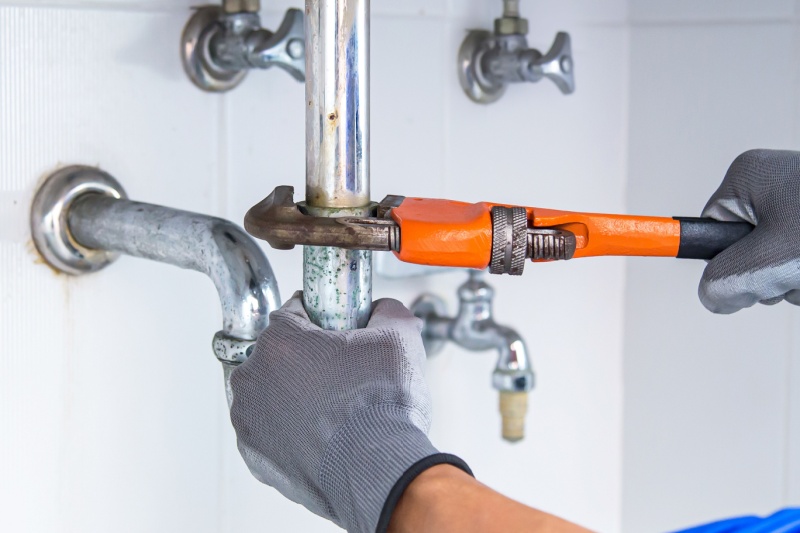
For sinks, especially in kitchens, the P-trap beneath the basin can be unscrewed and cleaned to remove accumulated debris. Place a bucket underneath first to catch any water or residue, then fit the trap back securely.
If none of these steps resolve your slow drain, or if the problem recurs, it’s time to get a licensed plumber involved. An experienced local plumber, like those at Summers Plumbing Heating & Cooling, can use advanced tools such as video camera inspections to pinpoint serious clogs or line breaks quickly and efficiently.
Why Prompt Drain Repair Matters
Letting slow drains linger can cause more than just day-to-day inconvenience. Prolonged issues may bring about:
- Pipe Stress and Leaks: Over time, increased pressure from persistent clogs or backups can stress plumbing joints and may even cause breaks.
- Basement Water Intrusion: Sewer or drain backups, particularly during heavy rain in Dayton, increase the risk of basement flooding and structural water damage.
- Health Hazards: Standing water in pipes or drains can become a breeding ground for mold and bacteria, negatively impacting your indoor air quality.
- Escalating Costs: Delayed repairs often result in more expensive and time-consuming plumbing projects later, as minor problems worsen and affect larger portions of your system.
Regular drain upkeep and swift repairs help prevent small clogs from becoming household disasters. Addressing issues now saves both money and peace of mind.
Call the Dayton Drain Pros Before You’re Backed Up
If you find your home plagued by slow drains, don’t wait for the problem to worsen. Professional help from Summers Plumbing Heating & Cooling ensures your Dayton house remains free of inconvenient plumbing issues. Our experienced team combines updated techniques with local expertise, delivering solutions that last and keep your drains running smoothly, no matter the season.
Summers Plumbing Heating & Cooling is dedicated to keeping Dayton homes in top shape. Schedule your drain cleaning or plumbing service online or call us at (937) 400-3920 today. Don’t risk further frustration—let our local specialists restore comfort and reliability to your drains.