

How Long Do Mini Split Systems Last?
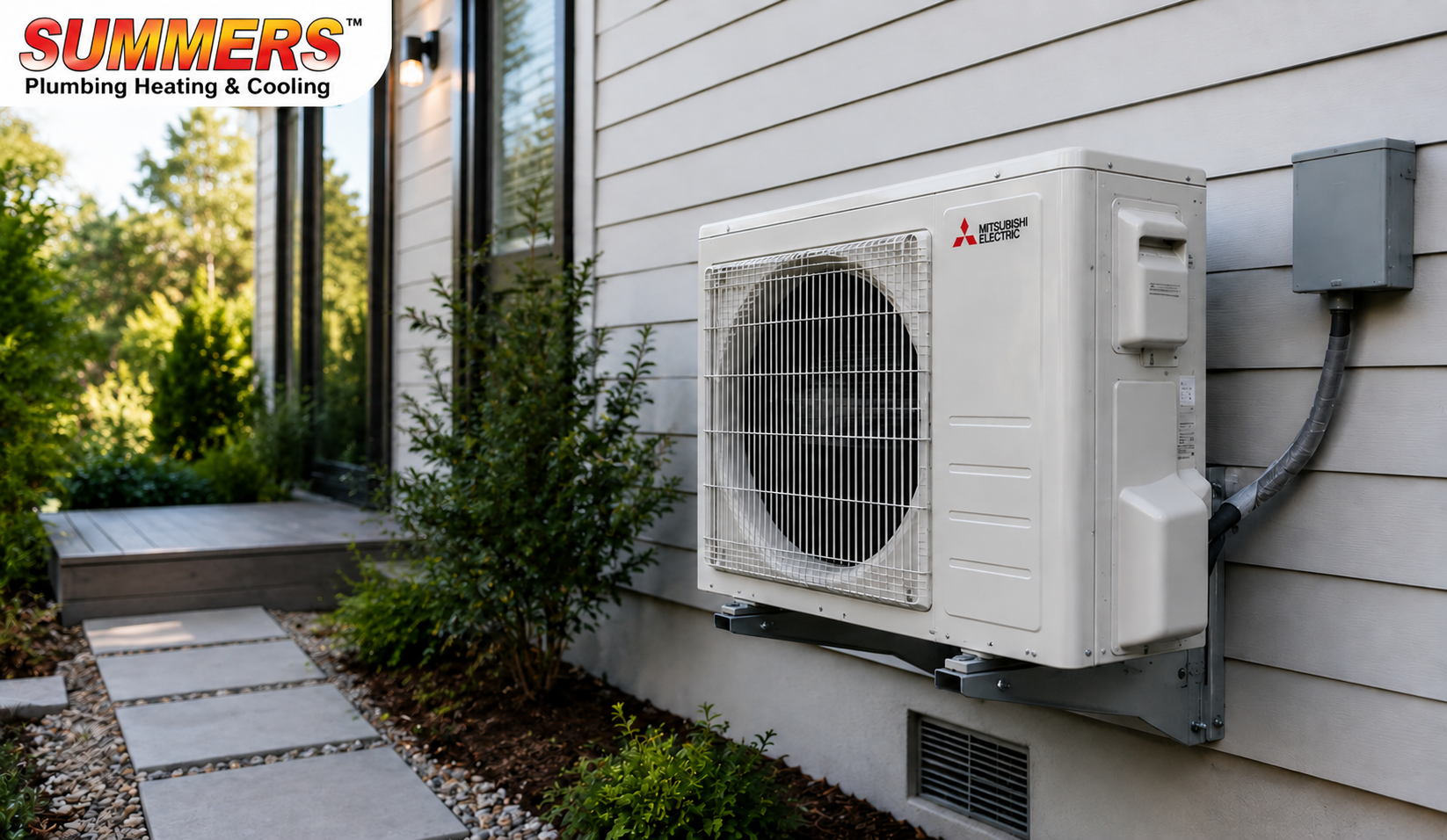
A well-maintained mini split system typically lasts about 15 to 20 years, although some systems can last longer. Installation quality, maintenance, climate, usage, and equipment quality all affect its lifespan.
A mini split can provide reliable heating and cooling for many years when you keep the filters clean, maintain good airflow, and address problems early.
However, age alone doesn’t tell you when to replace a mini split. A 15-year-old system that still runs reliably may have plenty of useful life left. A newer system with repeated major repairs may make replacement a better choice.
How Long Does a Mini Split System Typically Last?
Most mini split systems can last around 15 to 20 years when you install and maintain them properly. Some systems can last longer when they operate under good conditions and receive regular care.
The actual lifespan varies from one system to another. Key factors include:
- Installation quality
- Equipment quality
- Regular maintenance
- Local climate
- Frequency of use
- Outdoor weather exposure
- Operating conditions
- Repair history
A mini split that runs throughout the year will accumulate more operating hours than one used only during certain seasons.
Frequent use doesn’t automatically mean a shorter lifespan. A properly installed system can handle regular operation when you use and maintain it according to the manufacturer’s instructions.
The condition of the system matters more than its age alone. A 15-year-old mini split with a good repair history may continue working reliably, while a newer system with repeated problems may need replacement sooner.
What Affects How Long a Mini Split Lasts?
Installation quality, maintenance, climate, usage, and equipment condition all affect how long a mini split can last. These factors can influence both performance and the amount of wear the system experiences over time.
Installation Quality
Proper installation helps a mini split operate within its intended conditions and can reduce problems that lead to premature repairs.
Installation involves more than mounting the indoor unit. The technician must size the system correctly and install the refrigerant lines, electrical connections, condensate drain, and outdoor unit according to the manufacturer’s requirements.
Poor installation can contribute to:
- Refrigerant leaks
- Drainage problems
- Electrical issues
- Poor airflow
- Excessive system strain
- Uneven heating or cooling
A good installation gives the system a better foundation for reliable long-term operation. Professional mini-split installation can help ensure the system is correctly sized and installed according to manufacturer requirements.
Regular Maintenance
Regular maintenance helps keep a mini split clean, maintain good airflow, and reduce avoidable wear.
Dirty filters can restrict airflow. Dirt buildup on the indoor or outdoor coil can also reduce heat transfer and make the system work harder.
Basic maintenance includes:
- Cleaning or replacing air filters
- Keeping the indoor unit clean
- Removing debris around the outdoor unit
- Checking the condensate drain
- Watching for unusual noises or performance changes
- Scheduling professional service when needed
Maintenance can’t guarantee a 20-year lifespan, but it can help prevent problems that shorten the system’s useful life.
Climate and Weather Exposure
Your local climate can affect how quickly the outdoor unit’s components wear.
The outdoor unit faces rain, humidity, dirt, temperature changes, and other weather conditions throughout the year.
Homes near the coast face another challenge. Salt in the air can speed up corrosion on outdoor equipment.
Very hot or cold weather can also increase the system’s operating demands.
Choose a mini split designed for your local climate. The manufacturer’s operating range and performance ratings can help you determine whether a system suits your area’s conditions.
How Often You Use the System
Frequent operation increases the number of hours the mini split runs, but regular use doesn’t automatically shorten its lifespan.
A system that heats and cools your home year-round will accumulate more operating hours than one used only during certain seasons.
What matters is whether the system operates within its design conditions and receives proper maintenance.
Long run times during very hot or cold weather don’t always indicate a problem. A sudden change in run time, airflow, or heating or cooling performance deserves attention, especially when the system previously worked normally.
How Long Do Mini Split Indoor Units Last?
A mini split indoor unit can often last for many years when you keep its filter, coil, fan, and drain clean and address problems early.
The indoor unit contains several components that can wear over time, including:
- Indoor fan motor
- Temperature sensors
- Electronic controls
- Evaporator coil
- Airflow louvers
- Drain components
Regular filter cleaning helps maintain airflow and keeps dirt from building up on the indoor coil. Follow the manufacturer’s instructions for cleaning and filter replacement.
Pay attention to changes in the indoor unit as it gets older. Signs such as new rattling sounds, water leaks, weak airflow, unusual odors, or inconsistent temperatures can indicate a problem.
Don’t assume these symptoms mean the entire mini split needs replacement. A technician can identify the faulty component and determine whether a repair makes sense.
How Long Does a Mini Split Outdoor Unit Last?
A mini split outdoor unit can often last around 15 to 20 years, but climate, maintenance, corrosion, and component wear can affect its lifespan.
The outdoor unit contains several important components, including:
- Compressor
- Outdoor fan motor
- Condenser coil
- Electrical controls
- Temperature sensors
The compressor plays a major role in the system’s operation. A major compressor failure on an older mini split can make replacement more practical than repair, especially when other components also show signs of wear.
Outdoor conditions also matter. Leaves, grass, dirt, and other debris can collect around the unit and restrict airflow through the outdoor coil.
Keep the area around the outdoor unit clear of debris and other obstructions. Good airflow helps the system operate properly and reduces unnecessary strain.
If you notice unusual outdoor-unit noises, poor heating or cooling, frequent shutdowns, or visible corrosion, have the system inspected before the problem gets worse.
Signs Your Mini Split Is Getting Old
Frequent repairs, declining performance, unusual noises, and rising energy costs can indicate that a mini split is nearing the end of its useful life.
Watch for these signs:
- Frequent breakdowns
- Increasing repair costs
- Reduced heating or cooling performance
- Longer run times
- Unusual noises
- Repeated error codes
- Refrigerant leaks
- Visible corrosion
- Difficulty finding replacement parts
- Higher energy use without a change in usage
One symptom doesn’t automatically mean you need a new mini split.
For example, a dirty filter can restrict airflow and make the system run longer. Cleaning the filter may solve the problem. If your mini split is running but not cooling properly, see our guide to mini split not cooling to learn about common causes and possible fixes.
Other issues, such as a faulty sensor, dirty coil, or airflow restriction, can also affect performance without meaning the system has reached the end of its life.
However, several problems on an older mini split can make replacement worth considering. If repairs become frequent or expensive, compare the repair cost with the condition, efficiency, and expected remaining life of the system.
A professional inspection can help determine whether you need a repair or a replacement.
Should You Repair or Replace an Old Mini Split?
Repair an old mini split when the problem is minor and the system still performs reliably; consider replacement when repairs become frequent, expensive, or involve major components.
Age matters, but it shouldn’t make the decision by itself. Look at the system’s condition, repair history, performance, and parts availability.
Repair May Make Sense When:
Repair may make sense when the system still provides reliable heating or cooling and the repair cost remains reasonable.
Consider repair when:
- The system isn’t very old
- The problem requires a minor repair
- Replacement parts remain available
- The compressor works properly
- The system still provides consistent comfort
- You haven’t experienced repeated breakdowns
A relatively small repair can extend the useful life of a system that otherwise works well. If your system develops a problem, professional AC repair can help identify the issue and determine whether repair is worthwhile.
Replacement May Make Sense When:
Replacement may make more sense when an older mini split needs frequent repairs or a major component has failed.
Consider replacement when:
- The system needs frequent repairs
- A major component has failed
- Repair costs are high
- Heating or cooling performance has declined
- Replacement parts are difficult to find
- The system no longer meets your comfort needs
Compare the repair cost with the system’s condition and expected remaining life before making a decision.
For example, spending a small amount to repair a reliable older system may make sense. A major repair on a system that already needs frequent service may not.
An HVAC professional can inspect the system and help you decide whether repairing it or replacing it makes better financial sense.
How Can You Make a Mini Split Last Longer?
Regular maintenance, clean airflow, proper operation, and timely repairs can help extend the useful life of a mini split.
Start with simple steps:
- Clean the air filters regularly.
- Keep the outdoor unit free of leaves and debris.
- Don’t block airflow around either unit.
- Keep the indoor unit clean.
- Watch for water leaks or unusual noises.
- Address performance changes early.
- Schedule professional maintenance when needed.
- Follow the manufacturer’s operating instructions.
Don’t ignore small problems.
A strange noise or minor water leak may have a relatively simple cause. Leaving the problem unresolved can allow it to become more expensive.
Is a 10-Year-Old Mini Split Too Old?
No, a 10-year-old mini split isn’t necessarily too old if it still operates reliably and provides the comfort you need.
A system’s age provides useful context, but it doesn’t determine its remaining life by itself.
Look at:
- Repair history
- Heating and cooling performance
- Energy use
- Parts availability
- Noise
- Overall system condition
If a 10-year-old mini split works reliably and needs only routine maintenance, replacing it simply because of its age may not make sense.
On the other hand, frequent breakdowns or major component failures can change the calculation.
Frequently Asked Questions
What is the average lifespan of a mini split?
The average lifespan of a mini split is generally around 15 to 20 years with proper installation and maintenance.
Some systems may last longer, while others may need replacement sooner because of heavy use, poor installation, harsh conditions, or major component failures.
Can a mini split last 20 years?
Yes, a mini split can last 20 years or longer when you maintain it properly and operate it under suitable conditions.
Good installation, regular maintenance, clean airflow, and timely repairs can all support a longer service life.
However, no manufacturer can guarantee that every system will reach 20 years.
How often should a mini split be replaced?
You don’t need to replace a mini split on a fixed schedule because its condition matters more than its age alone.
Many systems reach 15 to 20 years, but replacement may make sense earlier when repairs become frequent or expensive.
Do mini splits last longer than central air conditioners?
Neither system automatically lasts longer because lifespan depends on equipment quality, installation, maintenance, climate, and usage.
Compare the condition and repair history of the specific system rather than assuming one type will always outlast the other.
What is the most common reason mini splits fail?
Mini splits can fail for many reasons, including normal component wear, electrical problems, refrigerant issues, poor maintenance, and installation problems.
The exact cause depends on the system and the symptoms.
A professional diagnosis can identify the failed component instead of guessing based only on the system’s age.
Is it worth repairing a 15-year-old mini split?
It can be worth repairing a 15-year-old mini split when the repair is reasonable and the system still operates reliably.
Consider the repair cost, previous repair history, system condition, parts availability, and expected remaining service life.
If the system needs a major repair after years of repeated problems, replacement may offer better long-term value. If replacement becomes the better option, professional AC replacement can provide a newer, more efficient system.
Final Thought
A well-maintained mini split can often last 15 to 20 years, but installation quality, maintenance, climate, usage, and overall system condition determine its actual lifespan.
Don’t replace a mini split simply because it reaches a certain age.
Instead, look at its performance, repair history, energy use, and condition.
If an older system still provides reliable heating and cooling with reasonable maintenance costs, you may have no immediate reason to replace it.
If breakdowns become frequent or a major component fails, compare the repair cost with the cost and benefits of a new system.
With proper care and timely repairs, your mini split can provide dependable comfort for many years.