

How to Maintain Your Home Plumbing System: A Marion, Indiana Homeowner’s Guide
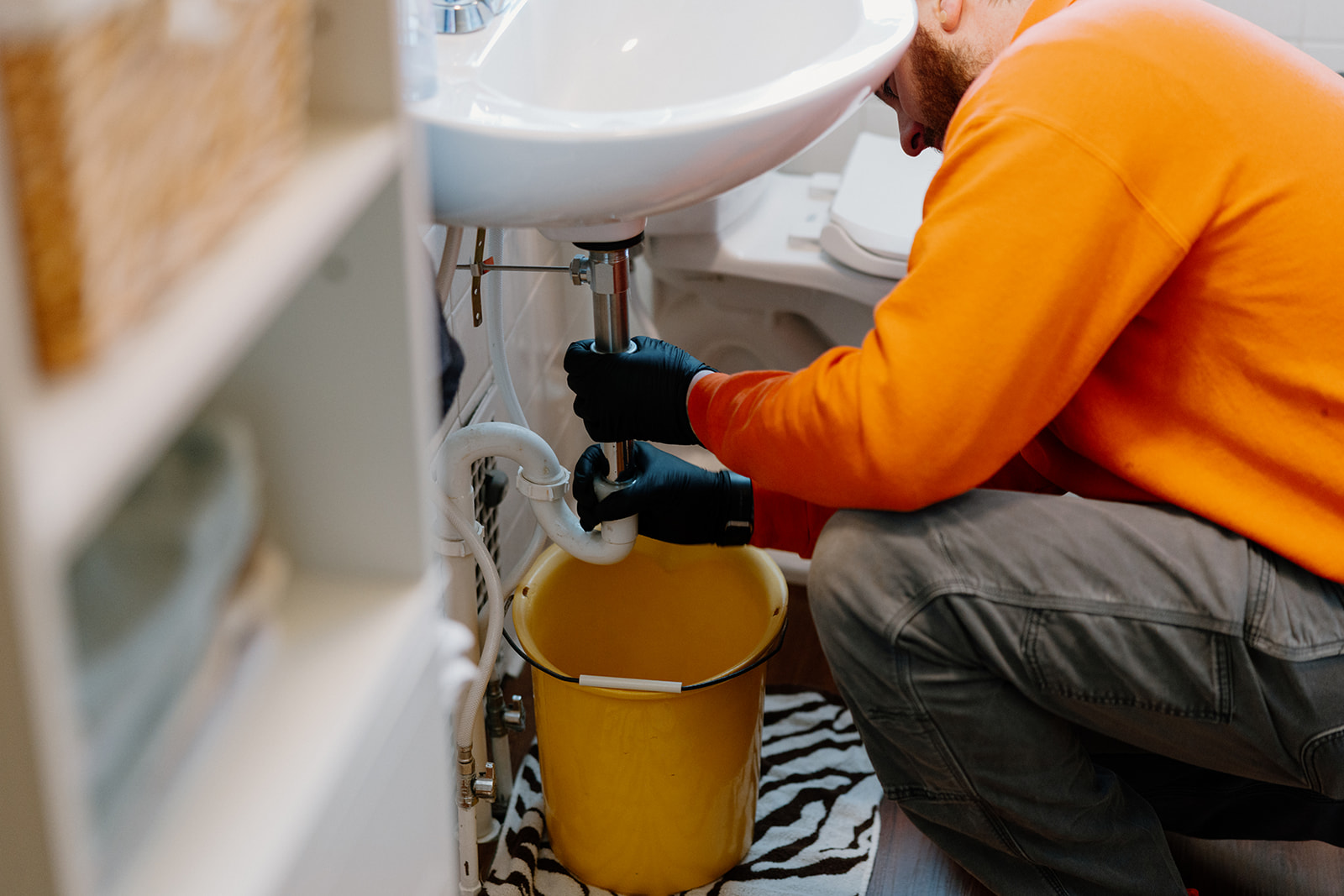
Most plumbing emergencies don’t start as emergencies. They start as a slow drip under the sink, a drain that takes a little longer each week, or a water heater that’s been working overtime for a decade. Knowing how to maintain your home plumbing system is the difference between a five-minute fix and a flooded basement on a January morning.
Marion homes face a few challenges that homeowners in milder climates never think about: hard well and municipal water, freezing winters, spring groundwater, and a lot of houses built before 1970 that still have original pipes. This guide walks through what to check and when, plus the jobs that are worth handing to a licensed plumber.
Monthly Plumbing Checks (10 Minutes or Less)
A quick walk-through once a month catches most problems while they’re still cheap.
- Look under every sink. Run the water, then feel the supply lines and the P-trap for moisture. Warping or dark spots on the cabinet floor mean a leak has been there a while.
- Check your water bill. A jump you can’t explain is often a running toilet or an underground leak. Marion Utilities bills are a good early-warning system.
- Test your toilets for silent leaks. Put a few drops of food coloring in the tank. If color shows up in the bowl after 15 minutes without flushing, the flapper needs replacing.
- Watch how fast drains empty. Slow drains in one fixture point to a local clog. Slow drains everywhere can mean a main sewer line problem.
- Listen to your water heater. Popping or rumbling sounds mean sediment has built up on the bottom of the tank.
- Glance at exposed pipes. In the basement or crawl space, look for green or white crust on copper joints and rust on galvanized pipe.
Fall: Get Ready Before the First Hard Freeze
Grant County usually sees its first hard freeze in October, and burst pipes are the most expensive plumbing problem we see every winter. Take care of these in September or early October.
- Disconnect garden hoses and drain outdoor spigots. Install insulated faucet covers or shut off the interior valve to each hose bib.
- Blow out sprinkler lines if you have an irrigation system.
- Insulate pipes in unheated spaces — garages, crawl spaces, exterior walls, and around the sump pump. Foam pipe sleeves are inexpensive and take minutes to install.
- Seal drafts near pipes. Cold air leaking through a foundation crack or dryer vent can freeze a pipe even in a heated basement.
- Find your main water shutoff and make sure everyone in the house knows where it is and that it actually turns. If a pipe bursts, this is the first thing you’ll need.
- Schedule water heater service before the busy heating season so you aren’t waiting in line in December.
Winter: Preventing Frozen and Burst Pipes
- Keep the thermostat at 55°F or higher even when you’re away. A frozen pipe costs far more than the extra heat.
- Open cabinet doors under kitchen and bathroom sinks on exterior walls so warm air reaches the pipes.
- Let a faucet drip overnight when temperatures fall below zero, especially on lines that run along outside walls.
- Know the signs of a frozen pipe: no water or a trickle from one fixture, frost on the pipe, or a bulge. Shut off the main and call a plumber — never use an open flame to thaw a pipe.
Spring: Sump Pumps and Sewer Lines
Spring thaw and heavy rain push the water table up across Marion. If your basement has a sump pit, this is the season it earns its keep.
- Test the sump pump. Pour a bucket of water into the pit. The float should rise, the pump should kick on, and the water should clear within seconds. If it hesitates or hums without pumping, replace it before the storms arrive.
- Check the discharge line outside for ice, mud, or a crushed pipe. Water needs to move well away from the foundation.
- Add a battery backup if you don’t have one. Storms that flood basements tend to knock out power at the same time.
- Inspect for sewer line trouble. Gurgling toilets, multiple slow drains, or soggy spots in the yard can mean tree roots have found your sewer lateral. Older clay lines in Marion’s established neighborhoods are especially prone to this.
Summer: Water Heaters, Pressure, and Outdoor Plumbing
- Flush the water heater once a year. Draining a few gallons from the bottom valve removes sediment and extends tank life. If your heater is over 10 years old, plan for replacement before it fails.
- Check water pressure. A $10 gauge on an outdoor spigot should read between 40 and 80 psi. Pressure above 80 psi stresses every joint, appliance, and valve in the house and can void appliance warranties.
- Inspect washing machine hoses. Rubber hoses should be replaced every five years. Braided stainless steel hoses are worth the upgrade.
- Clean outdoor drains and gutters so summer thunderstorms don’t back up against the foundation.
Dealing With Hard Water in Marion
Water across Grant County is hard — typically well above 10 grains per gallon. That mineral load is why you see white scale on faucets, cloudy glassware, and stiff laundry. It also quietly shortens the life of your water heater, dishwasher, and fixtures.
- Maintain your water softener. Keep the brine tank at least half full of salt, break up any salt bridges, and clean the tank once a year.
- Descale aerators and showerheads by soaking them in white vinegar for an hour.
- Consider a softener if you don’t have one. In this area, a properly sized softener usually pays for itself in appliance longevity and lower water heating costs.
Everyday Habits That Protect Your Drains
- Never pour grease down the kitchen sink. It cools, hardens, and collects everything that follows it.
- Skip the “flushable” wipes. They don’t break down like toilet paper and are a leading cause of sewer backups.
- Use drain strainers in showers and the kitchen sink to catch hair and food scraps.
- Avoid chemical drain cleaners. They rarely fix the real problem and can damage older pipes. A drain snake or a professional drain cleaning is safer and more effective.
- Run hot water for 30 seconds after using the garbage disposal to move waste fully into the drain line.
When to Call a Professional Plumber
Some plumbing maintenance is squarely DIY. Some isn’t. Call a licensed plumber when you notice:
- Water pressure drops or fluctuates throughout the house
- More than one drain is slow or backing up at the same time
- Discolored water, a sulfur smell, or a sudden change in water quality
- A water heater that’s leaking, over 10 years old, or no longer keeping up
- Wet spots on ceilings or walls, or a musty smell in the basement
- Visible corrosion on pipes, or galvanized pipe in a home built before 1970
- A sump pump that runs constantly or not at all
An annual plumbing inspection is also worth it. A plumber can camera-inspect your sewer line, test pressure and shutoff valves, and flag small issues before they turn into weekend emergencies.
Plumbing Maintenance and Repair in Marion, Indiana
Summers Plumbing Heating & Cooling has served Marion and the surrounding communities since 1969. Our licensed plumbers handle everything on this list and more — drain cleaning, water heater repair and replacement, sump pump installation, water softeners, sewer line repair, and whole-home plumbing inspections — across Grant, Wabash, and Blackford counties.
Our phones are answered 24/7 and after-hours emergency service is available, and every job is backed by our Worry-Free Guarantee. Call 765-664-4328 or book online to schedule your plumbing service in Marion.
Schedule Plumbing Service in Marion | Call 765-664-4328
Frequently Asked Questions About Home Plumbing Maintenance
How often should I have my home plumbing inspected?
Once a year is a good rule for most homes. Homes built before 1970, homes with galvanized or clay sewer pipes, and homes with mature trees near the sewer line benefit from an annual camera inspection of the main line.
How do I keep my pipes from freezing in an Indiana winter?
Disconnect hoses and cover outdoor spigots in the fall, insulate pipes in unheated areas, keep your thermostat at 55°F or higher, open cabinet doors on exterior walls during cold snaps, and let a faucet drip when temperatures fall below zero.
How often should a water heater be flushed?
Flush a tank-style water heater once a year. Because Marion’s water is hard, sediment builds up faster than in areas with soft water, so annual flushing is especially important here.
Is Marion, Indiana water hard?
Yes. Water across Grant County is considered hard to very hard. A water softener protects your water heater, dishwasher, and fixtures from mineral scale and usually pays for itself over time.
What are the signs of a sewer line problem?
Multiple slow drains, gurgling toilets, sewage smells, and unusually green or soggy patches in the yard are common signs. Tree roots in older clay lines are the most frequent cause in Marion.
Does Summers Plumbing Heating & Cooling offer emergency plumbing in Marion?
Yes. Our phones are answered 24/7 and after-hours emergency service is available for Marion and the surrounding area. Call 765-664-4328.