

Proactive Water Heater Care: Prevent Failures Caused by Warming Groundwater in Dayton
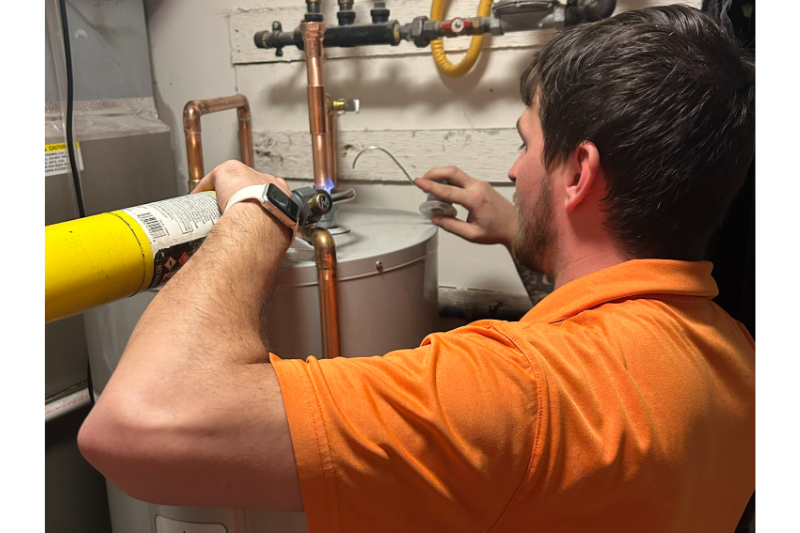
As winter starts to fade and spring takes hold, many homeowners in Dayton welcome rising temperatures and blossoming landscapes. Yet, amid this seasonal change, subtle but significant impacts occur within your home’s plumbing—especially your water heater. The arrival of milder weather introduces distinct challenges that often go unnoticed until a problem arises and a sudden cold shower is the first warning sign.
Need professional help ensuring your water heater is safe and efficient? Contact Summers Plumbing Heating & Cooling for expert water heater solutions in Dayton. Get a $59 Water Heater Safety Inspection for this month only! (Terms and conditions apply).
While spring’s warmth brings relief from freezing conditions, the rise in groundwater temperature can quickly alter how your water heater functions. After a long winter spent heating icy water, your system must now adapt to incoming water that is naturally warmer. Although this shift seems minor, it can place new demands on your water heater and, in some cases, accelerate wear and tear. Proactively scheduling a spring maintenance check with a trusted team like Summers PHC helps identify wear before it spirals into expensive repairs or replacements.
How Rising Groundwater Temperatures Challenge Your Water Heater
When groundwater in Dayton transitions from cold to warm, your water heater faces several threats. The primary issues emerge from increased mineral scaling and internal pressure fluctuations—both of which can quietly undermine your system’s efficiency and longevity.
Accelerated Mineral Scaling
The process of scaling intensifies as water temperature climbs. Warmer water dissolves minerals such as calcium and magnesium more readily. As these minerals enter your water heater, they gradually settle and build up as sediment, especially in areas of “hard water” common in the Dayton area. This sediment forms an insulating layer around your heater’s elements, requiring the system to use more energy to maintain hot water and putting extra stress on essential components. Not only does this drive up energy costs, but it also raises the risk of overheating and potential tank damage.
Decreased Efficiency and Overheating
As sediments accumulate—especially on heating elements or the bottom of your water heater—the appliance must work harder. This results in increased energy consumption and higher utility bills. You may also notice distinctive popping or rumbling sounds, caused by steam bubbles struggling to escape through the sediment. Prolonged strain from this buildup can eventually result in overheating, premature component failure, and, in extreme cases, a ruptured tank.
Corrosion, Leaks, and Premature Breakdowns
A persistent sediment layer traps intense heat in pockets near the tank’s lining. Over time, these high-temperature zones promote corrosion, eating away at both the lining and fittings. Once corrosion takes hold, hidden leaks and significant structural damage can follow—leading to unexpected and disruptive failures.
Pressure Buildup Inside the Tank
Another significant challenge is the expansion of water as it warms. Warmer groundwater means the water inside your heater is more likely to expand. Increased expansion adds pressure on tank walls and connecting pipes. Left unchecked, this pressure can lead to stress fractures, faulty joints, or hazardous system malfunctions.
Essential Spring Water Heater Maintenance Tips for Dayton Homeowners
Preventing these issues starts with proactive and simple maintenance. While professional services are invaluable, there are tasks that diligent homeowners in the Dayton area can handle on their own to help protect their water heaters this spring.
Look for Visible Leaks
Take time every few weeks to inspect the area around your water heater, as well as under nearby sinks and toilets. Early detection of leaks—no matter how minor—can prevent bigger plumbing issues down the road.
Monitor for Wall and Floor Moisture
Keep an eye out for damp spots, new stains on walls, or moisture collecting near your water heater. Sometimes you may even hear a drip inside the walls, signaling a leak that needs immediate attention.
Test Your Home’s Water Pressure
Water pressure that is too high or too low affects your plumbing health. By using a standard pressure gauge at a hose bib outside, make sure your pressure remains between 40 to 60 psi. If readings fall outside this range, underlying plumbing issues could be developing, placing added strain on your water heater and appliances.
Why Flushing Your Water Heater Matters
One of the most effective ways to maintain your water heater each spring is through regular flushing. This process removes the accumulated sediment, improves system efficiency, and extends the life of your unit.
- First, safely turn off power or gas to your water heater.
- Next, connect a garden hose to the drain valve and carefully drain out several gallons of water until it runs clear.
By flushing your tank at least once a year, you clear away minerals and debris that would otherwise lead to clogs, poor heat transfer, and unwanted noises.
Environmental Considerations for Dayton Homeowners
Maintaining your heater doesn’t stop with the tank. Pay attention to its environment—spring brings increased rainfall in Dayton, which can raise humidity levels in your basement or utility space. Consistent moisture promotes rust on your heater’s exterior, as well as nearby electrical or gas connections.
Preventing Water Damage
Ensure your home’s gutters and downspouts are in good working order and direct water away from your foundation. Neglected outdoor drainage systems can lead to basement leaks, which may threaten the lower section of your water heater over time.
Sump Pump Readiness
With spring’s frequent storms, test your sump pump by adding water to the pit, ensuring it engages and removes water swiftly. This preventive measure helps guard against flooding that could reach your water heater and harm sensitive electrical components.
Take the Next Step in Protecting Your Dayton Home
As spring breathes new life into Dayton, now is the time to ensure your water heater is ready for the season ahead. After reviewing and handling simple maintenance tasks, consider calling the experts at Summers Plumbing Heating & Cooling to thoroughly inspect and service your water heater. Their professional tune-ups catch small issues before they turn into costly repairs—helping you enjoy reliable hot water all year long.
Choose proactive care to reduce emergencies and preserve your investment with expert service tailored for Dayton’s unique seasonal challenges.
Summers PHC Is Ready to Serve You
Don’t let water heater issues catch you off guard this spring. Reach out to the experienced team at Summers Plumbing Heating & Cooling for dependable water heater repairs, maintenance, and safety inspections. Call (937) 400-3920 or schedule your service online today, and let us keep your Dayton home comfortable and efficient all season long.