What Is Hydro Jetting and When Do You Need It?
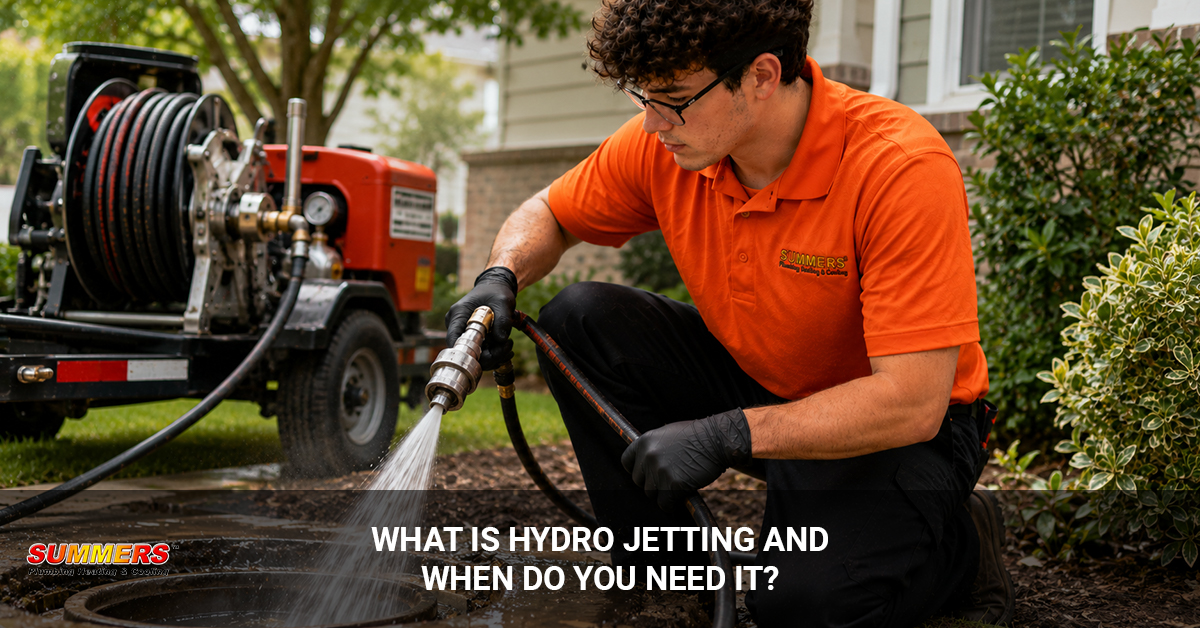
Hydro jetting is a professional plumbing service that uses high-pressure water to remove stubborn clogs and thoroughly clean the inside of your pipes. Unlike a drain snake, which only breaks through a blockage, hydro jetting washes away grease, sludge, soap scum, mineral buildup, and other debris along the entire pipe.
Plumbers often recommend hydro jetting for recurring drain clogs, slow drains, sewer line backups, and heavy buildup that keeps coming back after traditional drain cleaning. Because it cleans the pipe instead of simply opening a path through the clog, it can provide longer-lasting results.
In this guide, you’ll learn how hydro jetting works, what types of clogs it can remove, when it’s the right solution, and how to know if your plumbing system is a good candidate for this service.
What Is Hydro Jetting?
Hydro jetting is a professional drain cleaning method that uses high-pressure water to remove tough clogs and clean the inside of your plumbing pipes. Instead of simply punching a hole through a blockage, it flushes away grease, sludge, soap scum, mineral deposits, and other buildup that has collected along the pipe walls.
The process uses a specialized hose with a nozzle that sprays powerful streams of water in multiple directions. This allows it to break apart stubborn blockages while washing debris completely out of the pipe, helping restore proper water flow.
Because it provides a deeper clean than many traditional drain cleaning methods, hydro jetting is often used for recurring drain clogs, kitchen drain lines, residential sewer lines, commercial plumbing systems, and pipes with heavy buildup.
How Does Hydro Jetting Work?
Hydro jetting works by using high-pressure water to remove clogs and clean the inside of your plumbing pipes. A licensed plumber inserts a specialized hose into the drain or sewer line, where a nozzle sprays powerful streams of water in multiple directions. The water breaks apart stubborn blockages and washes grease, sludge, and other debris out of the pipe.
A typical hydro jetting service includes:
- Inspecting the drain or sewer line, often with a plumbing camera, to locate the blockage and check the condition of the pipes.
- Inserting the hydro jetting hose into the drain or sewer line.
- Using high-pressure water to remove grease, sludge, soap scum, mineral buildup, and other debris. In some cases, it can also cut through small tree roots inside the pipe.
- Flushing the loosened debris completely out of the plumbing system.
Because hydro jetting cleans the entire inside of the pipe instead of simply creating an opening through the clog, it often provides longer-lasting results than traditional drain snaking.
What Types of Clogs Can Hydro Jetting Remove?
Hydro jetting can remove many of the toughest clogs found in residential and commercial plumbing systems. Its high-pressure water doesn’t just break through a blockage—it washes away the buildup coating the inside of the pipe, helping restore proper water flow and reduce future clogs.
Grease and Cooking Oil Buildup
Hydro jetting is highly effective at removing grease and cooking oil that have hardened inside drain pipes. Over time, grease sticks to the pipe walls and traps food particles, leading to stubborn kitchen drain clogs. High-pressure water breaks apart the grease and flushes it completely out of the pipe.
Sludge, Soap Scum, and Food Debris
Hydro jetting easily removes sludge, soap scum, food particles, and other organic buildup that collects inside drains over time. Unlike a drain snake, which only opens a path through the clog, hydro jetting cleans the entire pipe, making it a good solution for recurring drain problems.
Tree Roots (in Some Cases)
Hydro jetting can cut through small tree roots that have entered a sewer line through tiny cracks or loose pipe joints. However, if large roots have damaged the pipe or completely blocked the line, professional sewer line repair may be necessary before the problem can be fully resolved. The pipe may need to be repaired or replaced before the problem can be fully resolved.
Mineral and Scale Buildup
Hard water can leave mineral deposits inside plumbing pipes, gradually reducing water flow. Hydro jetting helps remove much of this scale buildup, allowing water to move more freely through the pipes and lowering the risk of future blockages.
When Do You Need Hydro Jetting?
You may need hydro jetting if your drains keep clogging or your sewer line has heavy buildup that regular drain cleaning can’t remove. It’s often recommended when drain snaking provides only a temporary fix and the same problem keeps coming back.
A plumber may recommend hydro jetting if you notice any of these signs:
- Recurring drain clogs: Your sinks, showers, or tubs clog repeatedly, even after they’ve been cleared.
- Slow drains throughout your home: Multiple drains empty slowly, which may indicate a blockage in the main sewer line.
- Frequent sewer line backups: Wastewater backs up into your drains or plumbing fixtures, signaling a more serious obstruction.
- Foul odors from drains: Persistent sewer smells can be caused by grease, sludge, or debris trapped inside the pipes.
- Heavy grease buildup: Kitchen drain lines often collect grease over time, making hydro jetting an effective cleaning solution.
- Before sewer line repairs: Plumbers may clean the line with hydro jetting before performing a camera inspection or repairing the pipe.
- Preventive maintenance: Homes and businesses with older plumbing or a history of drain problems can benefit from periodic hydro jetting to keep pipes clear.
If you’ve tried plungers, drain snakes, or other drain cleaning methods and the clogs continue to return, hydro jetting can provide a more thorough and longer-lasting solution by cleaning the entire inside of the pipe rather than just clearing the blockage.
Benefits of Hydro Jetting
Hydro jetting offers a deeper and more effective clean than many traditional drain cleaning methods. Instead of simply breaking through a clog, it removes buildup from the entire inside of the pipe, helping your plumbing system work more efficiently.
Here are some of the biggest benefits of hydro jetting:
- Removes stubborn clogs: It clears grease, sludge, soap scum, food debris, and other tough blockages that standard drain cleaning may leave behind.
- Cleans the entire pipe: High-pressure water washes debris from the pipe walls, not just the area around the clog.
- Improves water flow: Removing years of buildup allows water to drain more freely and reduces slow drains.
- Helps prevent recurring clogs: Because the pipes are thoroughly cleaned, blockages are less likely to return.
- Uses no harsh chemicals: Hydro jetting relies only on high-pressure water, making it a safer option for your plumbing and the environment.
- Can extend the life of your plumbing: Regularly removing buildup may reduce wear on your pipes and help prevent future plumbing problems.
Because hydro jetting provides a more complete cleaning than drain snaking, many homeowners experience fewer drain issues and longer-lasting results after the service.
Is Hydro Jetting Safe for Every Plumbing System?
Hydro jetting is safe for most plumbing systems when it’s performed by a licensed plumber, but it’s not suitable for every type of pipe. Older pipes or those that are cracked, corroded, or already damaged may not be able to handle the high-pressure water.
Before recommending hydro jetting, plumbers often perform a drain camera inspection to identify the cause of the blockage and evaluate the condition of the pipes. This inspection helps identify the cause of the blockage and checks whether the pipes are in good enough condition for hydro jetting. If the inspection reveals significant damage, pipe repair or replacement may be recommended instead.
When used on a plumbing system that’s in good condition, hydro jetting is a safe and highly effective way to remove stubborn buildup, restore proper water flow, and reduce recurring drain clogs. A professional inspection is the best way to determine whether it’s the right solution for your home.
Hydro Jetting vs. Traditional Drain Snaking
Hydro jetting and drain snaking are both effective ways to clear clogged drains, but they solve the problem differently. Drain snaking is best for simple clogs, while hydro jetting provides a deeper cleaning by removing buildup from the entire pipe.
| Hydro Jetting | Traditional Drain Snaking |
| Cleans the entire inside of the pipe | Creates an opening through the clog |
| Removes grease, sludge, soap scum, and other buildup | Breaks apart or pulls out the blockage |
| Best for recurring clogs and heavy buildup | Best for minor or isolated clogs |
| Uses high-pressure water | Uses a flexible metal cable |
| Provides a more thorough, long-lasting clean | Offers a quick, short-term solution |
| Helps reduce future clogs | Clogs may return if buildup remains |
If you’re dealing with a one-time clog, drain snaking is often enough to restore water flow. However, if your drains clog repeatedly or your pipes have years of grease and debris buildup, hydro jetting is usually the better long-term solution because it cleans the entire pipe instead of just clearing the blockage.
When to Call a Professional Plumber
You should call a professional plumber if your drains keep clogging or you suspect a problem deeper in your plumbing system. While a plunger or drain snake can clear minor blockages, recurring drain issues often require professional drain cleaning to remove heavy buildup before more serious plumbing problems develop.
Hydro jetting may be the right solution if you notice:
- Recurring drain clogs: Your drains clog repeatedly, even after they’ve been cleared.
- Multiple slow drains: More than one sink, tub, or shower drains slowly, which may indicate a blockage in the main sewer line.
- Sewer line backups: Wastewater backs up into your drains or toilets.
- Persistent foul odors: Bad smells coming from your drains may be caused by grease, sludge, or debris trapped inside the pipes.
- Suspected tree root intrusion: Tree roots can grow into underground sewer lines and cause recurring blockages.
- DIY methods no longer work: If plungers, drain cleaners, or drain snakes only provide temporary relief, it’s time for a professional inspection.
A licensed plumber can inspect your drain or sewer line with a plumbing camera, identify the source of the problem, and determine whether hydro jetting is the safest and most effective solution. Addressing the issue early can help prevent more serious plumbing repairs and costly water damage.
Final Thoughts
Hydro jetting is one of the most effective ways to remove stubborn clogs and restore proper flow in your plumbing system. By using high-pressure water to clean the entire inside of your pipes, it removes grease, sludge, soap scum, mineral buildup, and other debris that traditional drain cleaning methods often leave behind.
It’s an excellent option for recurring drain clogs, slow drains, and sewer line blockages. However, it’s not the right solution for every plumbing system. Older or damaged pipes should be inspected first to make sure they can safely handle the process.
If your drains keep clogging or you’re dealing with frequent sewer backups, don’t ignore the problem. A licensed plumber can inspect your pipes, determine the cause of the blockage, and recommend whether hydro jetting is the best solution to restore your plumbing and help prevent future issues.