
Clogged Drains in Columbus, Indiana: What Causes Them?
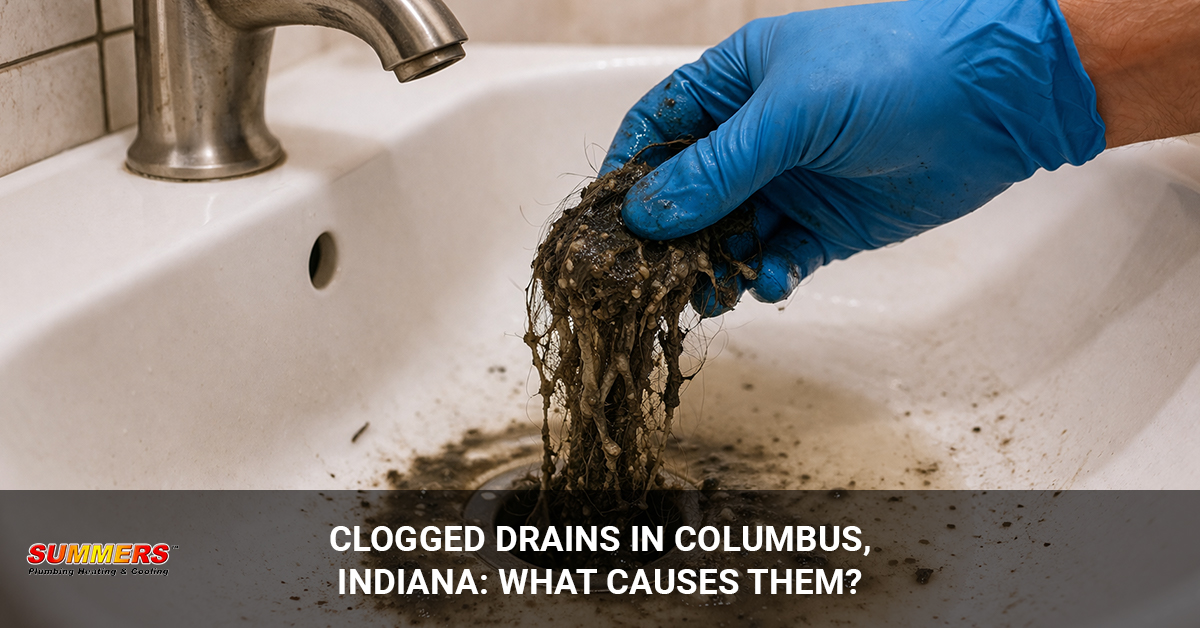
Clogged drains in Columbus, Indiana, are usually caused by everyday buildup like grease, hair, soap, and debris. If your sink or shower is draining slowly, something is blocking the pipe.
Most clogs don’t happen all at once. They build up slowly from daily use. Things like hard water and older plumbing in Columbus can make buildup happen faster.
The good news is that many drain clogs are easy to prevent. When you understand what causes them, you can take simple steps to avoid bigger problems.
In this guide, you’ll learn the most common causes of clogged drains, the warning signs to watch for, and easy ways to fix and prevent them.
What Causes Clogged Drains in Columbus, Indiana?
Clogged drains in Columbus, Indiana, are caused by buildup and materials that block water flow inside your pipes. Most clogs form over time, but some can happen quickly.
Common Causes of Drain Clogs
- Hair and soap buildup
- Grease and food waste
- Mineral deposits from hard water
- Foreign objects
- Tree root intrusion
- Aging or damaged pipes
Hair and Soap Buildup
Hair and soap buildup is the most common cause of bathroom drain clogs. Hair sticks to soap residue and forms thick clumps that slow down or block water flow.
Grease and Food Waste
Grease and food waste cause kitchen clogs by sticking to the inside of pipes. Over time, grease hardens and traps food particles, creating a solid blockage. To avoid common kitchen drain problems, learn what should never go down your kitchen drain.
Mineral Buildup from Hard Water
Hard water causes mineral deposits that build up inside pipes. This buildup narrows the pipe and makes it easier for clogs to form.
Foreign Objects in Drains
Foreign objects like wipes, paper towels, and small items can block drains quickly. These materials do not break down and often cause sudden clogs.
Tree Root Intrusion
Tree roots can enter underground pipes and block the sewer line. This problem is more common in older homes with aging pipes.
Pipe Damage or Aging Plumbing
Damaged or old pipes can crack, collapse, or corrode. These issues restrict water flow and increase the chances of repeated clogs.
Common Types of Drain Clogs in Homes
Different types of drain clogs happen in different parts of your home based on how each drain is used. Knowing the type helps you fix the problem faster.
Bathroom Sink and Shower Clogs
Bathroom sink and shower clogs are usually caused by hair, soap, and toothpaste buildup. These materials stick together and form a thick blockage that slows down water.
Kitchen Sink Clogs
Kitchen sink clogs are caused by grease, food scraps, and debris going down the drain. Grease hardens inside the pipes and traps other particles, creating a blockage over time.
Toilet Clogs
Toilet clogs happen when too much toilet paper or non-flushable items are flushed. Items like wipes and paper towels do not break down easily and can block the pipe quickly.
Main Sewer Line Blockages
Main sewer line blockages are serious and affect multiple drains at once. These clogs are often caused by tree roots, heavy buildup, or damaged underground pipes.
Signs Your Drain Is Clogged
Your drain is clogged if you notice slow water flow, bad smells, strange noises, or water backing up. These signs usually mean something is blocking the pipe.
Slow Draining Water
Slow draining water is the first sign of a clog forming. When water takes longer to go down, buildup is starting to block the pipe. If your sink is draining slowly, learn about the common causes and solutions in our guide on why does my sink drain slowly.
Bad Odors
Bad odors come from food, grease, or waste stuck inside the drain. As this material breaks down, it creates unpleasant smells.
Gurgling Sounds
Gurgling sounds happen when air is trapped in the pipe due to a blockage. This noise is a warning that the drain is not flowing properly.
Water Backups
Water backups are a serious sign of a clog. If water comes back up into your sink, tub, or floor drain, the blockage may be deep in the system.
How to Prevent Clogged Drains
You can prevent clogged drains by following simple daily habits that stop buildup before it starts. Small changes make a big difference in keeping your pipes clear.
Avoid Pouring Grease Down the Drain
Avoid pouring grease down the drain because it hardens inside pipes and causes blockages. Let the grease cool and throw it in the trash instead.
Use Drain Strainers
Use drain strainers to catch hair, food, and debris before they go into your pipes. This simple tool helps prevent the most common clogs.
Flush Drains with Hot Water
Flush drains with hot water to break down light buildup and keep pipes flowing. Doing this regularly helps prevent grease and soap from sticking.
Schedule Regular Maintenance
Schedule regular drain cleaning to remove buildup before it becomes a problem. Routine maintenance keeps your system working smoothly.
Be Careful What You Flush
Be careful what you flush to avoid toilet clogs. Only flush toilet paper and avoid wipes, paper towels, and other non-flushable items.
DIY Methods to Fix Minor Drain Clogs
You can fix minor drain clogs at home using simple tools and safe methods. These quick fixes work well for light buildup and small blockages.
Use a Plunger
A plunger can clear minor clogs by creating pressure that pushes the blockage loose. Make sure there’s enough water to cover the plunger for a better seal.
Try a Drain Snake
A drain snake removes clogs by breaking them apart or pulling them out. It’s useful for hair and debris stuck deeper in the pipe.
Baking Soda and Vinegar Method
Baking soda and vinegar help loosen light buildup inside the drain. Pour baking soda first, then vinegar, and let it sit before flushing with hot water.
Hot Water Flush
Hot water can dissolve grease and soap buildup. Pouring hot water down the drain regularly helps keep pipes clear and flowing.
When to Call a Professional Plumber
You should call a professional plumber when a clog is severe, keeps returning, or affects multiple drains. These signs usually mean the problem is deeper than a simple blockage.
Recurring Clogs
Recurring clogs indicate a deeper issue in your plumbing system. If the same drain keeps clogging, there may be buildup or damage further inside the pipe. If the problem keeps returning, it may be a sign that your pipes are damaged. Learn about the drain repair in Columbus, Indiana, and the warning signs to watch for.
Multiple Drains Backing Up
Multiple drains backing up at once usually means a problem in the main sewer line. This is a serious issue that needs professional inspection.
Sewer Line Issues
Severe clogs caused by tree roots or pipe damage may require sewer line repair in Columbus, Indiana, to fully fix the issue.
Strong Odors or Flooding
Strong odors or flooding are signs of a major blockage. If you notice sewage smells or water backing up, call a professional immediately to prevent damage.
Drain Cleaning Services in Columbus, Indiana
Professional drain cleaning services in Columbus, Indiana, remove stubborn clogs quickly and keep your pipes flowing properly. If home methods don’t work, a local plumber can fix the problem safely and completely.
Professional service goes beyond basic cleaning. Plumbers use tools like hydro jetting to clear tough buildup and camera inspections to find hidden blockages inside your pipes. This helps solve the root cause, not just the symptom.
Hiring a local expert also means faster service and accurate solutions. They understand common issues in the area, such as mineral buildup and older plumbing systems.
Regular professional cleaning helps prevent future clogs, improves drainage, and protects your plumbing system from long-term damage.
Final Thoughts
Clogged drains in Columbus, Indiana, are usually caused by everyday buildup like hair, grease, and debris. The best way to avoid bigger problems is to take action early and stay consistent with maintenance.
When you understand what causes clogs, you can prevent them with simple habits. Small steps like using strainers, avoiding grease, and cleaning drains regularly can keep your pipes clear.
By staying proactive, you can avoid costly repairs, improve drainage, and keep your plumbing system working smoothly.