

Essential Components of AC Maintenance Explained
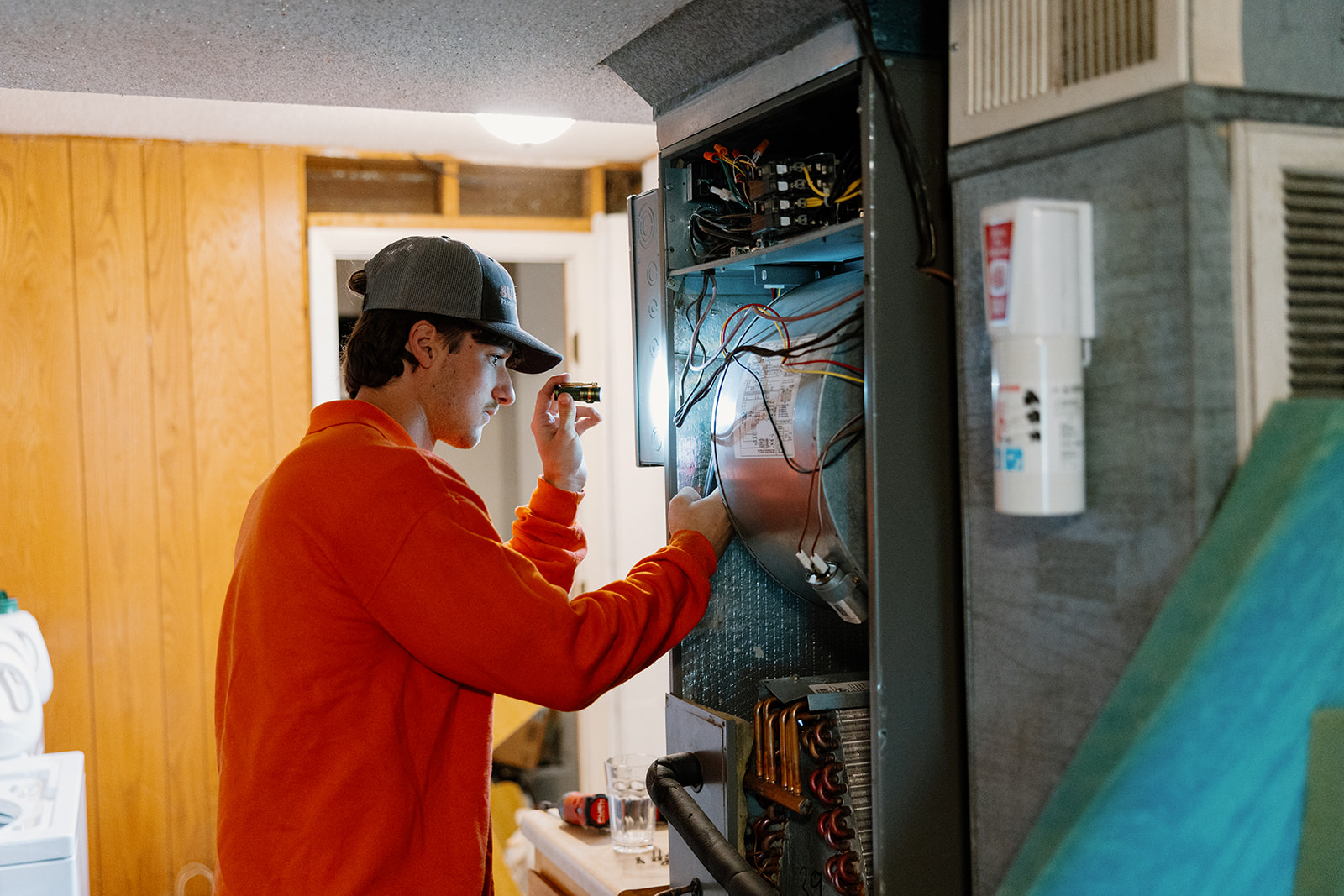
Essential Components of AC Maintenance Explained
When summer heat rolls into Marion, Indiana, the last thing you want is your air conditioner breaking down on the hottest day of the year. The good news? Most AC failures are preventable with regular, professional maintenance. At Summers of Marion, we’ve seen firsthand how a simple annual tune-up can add years to a system’s life — and save homeowners hundreds in unexpected repair costs.
In this guide, we’ll walk you through the essential components of AC maintenance so you know exactly what a thorough tune-up covers, why each step matters, and how to spot warning signs before they become expensive problems.
Why AC Maintenance Matters
Your air conditioner works hard — sometimes running for hours at a stretch during Indiana summers. Without regular upkeep, components wear down faster, energy bills climb, and small issues snowball into major breakdowns.
According to the U.S. Department of Energy, a well-maintained air conditioner can operate 10–25% more efficientlythan a neglected one. That difference shows up directly on your utility bill every month.
Scheduling annual AC maintenance before summer arrives is one of the smartest investments a homeowner can make.
1. Air Filter Inspection and Replacement
The air filter is the first — and most frequently overlooked — component of AC maintenance. Its job is to trap dust, pollen, pet dander, and debris before they reach the system’s internal components.
A clogged filter restricts airflow, forcing the blower motor to work harder. This leads to:
- Higher energy consumption
- Reduced cooling performance
- Accelerated wear on motors and coils
- Poor indoor air quality
How often should you change your air filter? Most filters need replacement every 1–3 months depending on usage, household dust levels, and whether you have pets. During a professional AC tune-up, your technician will inspect the filter and replace it if necessary.
Homeowner tip: Hold your filter up to a light source. If you can’t see light through it, it’s time for a new one.
2. Condenser Coil Cleaning
Your outdoor unit — the large metal cabinet sitting beside your home — contains the condenser coils. These coils release the heat that’s been pulled from inside your house. Over a season, they accumulate a surprising amount of dirt, grass clippings, cottonwood fluff, and debris.
That buildup acts like insulation, trapping heat and making your compressor strain to do its job. A dirty condenser can reduce system efficiency by 15–20% or more.
During professional AC maintenance, technicians use specialized coil cleaner and a gentle rinse to restore heat transfer without damaging the delicate aluminum fins.
Homeowner tip: Keep at least 2 feet of clearance around your outdoor unit and trim back any nearby plants. Never store items against the cabinet — the unit needs unrestricted airflow on all sides.
3. Evaporator Coil Inspection
Inside your home, located within the air handler, are the evaporator coils. These coils do the opposite job of the condenser coils — they absorb heat from your indoor air, cooling it before the blower distributes it through your ductwork.
When evaporator coils collect dust, mold, or grime, they lose their ability to absorb heat efficiently. This results in:
- Weak or warm airflow from vents
- Longer system run times
- Ice formation on the coils or refrigerant lines
- Water damage from overflowing drain pans
A professional inspection checks the coils for buildup, signs of freezing, and potential refrigerant leaks.
Warning sign: If you notice ice on your indoor unit or the refrigerant lines running between your indoor and outdoor units, turn the system off and call Summers of Marion at 765-664-4328 right away. A frozen coil can seriously damage your compressor if ignored.
4. Refrigerant Level Testing
Refrigerant is the substance that makes air conditioning physically possible. It circulates between the indoor evaporator coils and outdoor condenser coils, absorbing heat inside and releasing it outside.
Low refrigerant is always a sign of a leak — refrigerant doesn’t get “used up” like gasoline. Running an undercharged system puts enormous strain on the compressor, the most expensive component in any AC system.
During a maintenance visit, a certified HVAC technician checks the refrigerant charge using precision gauges. If levels are low, the leak is located and repaired before the system is recharged to manufacturer specifications.
Signs of low refrigerant include:
- Warm or lukewarm air from vents
- Longer cooling cycles
- Hissing or bubbling sounds near the unit
- Unexpectedly high electric bills
- Ice buildup on the unit
Important: Handling refrigerant requires EPA Section 608 certification. This is never a DIY task.
5. Electrical Components and Connections
Loose or corroded electrical connections are among the most common causes of AC system failures — and in serious cases, they pose a fire hazard. Electrical inspection is a critical part of any complete AC maintenance visit.
Your technician will:
- Inspect and tighten all electrical connections
- Test capacitors for proper function
- Check contactor contacts for wear or pitting
- Verify the system is drawing the correct amperage
Capacitors deserve special attention. These components store and release the electrical charge that starts the compressor and fan motors. Heat degrades capacitors over time, and a failing capacitor is a leading cause of summer AC breakdowns. Catching a weak capacitor during routine maintenance costs a fraction of what an emergency service call — or compressor replacement — would cost.
Safety reminder: Never attempt to inspect or replace electrical components yourself. Capacitors can retain a dangerous electrical charge even when the system is powered off.
6. Condensate Drain Cleaning
As your AC cools and dehumidifies your home, it produces condensation — sometimes several gallons per day on a humid Indiana summer day. That water drains away through the condensate drain line, a small PVC pipe typically routed to a floor drain or outside.
Over time, algae, mold, and sediment build up inside the drain line and can cause a blockage. A clogged condensate drain causes water to back up into the drain pan and overflow — leading to water damage on floors, ceilings, or walls.
During AC maintenance, technicians flush and clear the drain line and check the float switch, a safety device designed to shut the system off if the drain pan fills too high.
Easy DIY prevention: Pour one cup of distilled white vinegar into your condensate drain line every few months to inhibit algae growth between professional visits.
7. Thermostat Calibration and Testing
An inaccurate thermostat can make your AC run more — or less — than it should, costing you money and comfort without you realizing it.
As part of routine AC maintenance, technicians verify that the thermostat is reading indoor temperatures accurately, confirm that settings are correct, and test the system’s response to temperature calls.
This is also a great time to discuss upgrading to a smart thermostat if you’re still using an older manual or programmable model. A properly configured smart thermostat can reduce cooling costs by 10–15% through smarter scheduling and the ability to adjust settings remotely from your smartphone.
Ask us about smart thermostat installation during your next service visit — we’ll recommend the right model for your system and handle the complete setup.
8. Blower Motor and Fan Inspection
The blower motor is responsible for moving conditioned air through your ductwork and into every room of your home. When the blower wheel collects dust and debris — which happens gradually and invisibly — airflow drops and the motor has to work harder to push the same volume of air.
A dirty blower can reduce system airflow by 20% or more, significantly impacting both comfort and efficiency.
During AC maintenance, your technician will:
- Clean the blower assembly
- Lubricate motor bearings where applicable
- Test motor amperage to confirm it’s operating within safe limits
- Inspect the outdoor fan motor and blades for damage or imbalance
Listen for warning signs: Rattling, squealing, or grinding sounds from your indoor air handler almost always indicate a blower or motor issue. Addressing these sounds early is far less expensive than waiting for a complete motor failure.
Your Annual AC Maintenance Checklist
Here’s a summary of what every professional AC tune-up from Summers of Marion covers:
- Replace or inspect the air filter
- Clean condenser coils (outdoor unit)
- Inspect evaporator coils (indoor unit)
- Test refrigerant levels and check for leaks
- Tighten and inspect all electrical connections
- Test capacitors and contactors
- Clear the condensate drain line
- Check drain pan and float switch
- Calibrate and test the thermostat
- Clean and inspect the blower motor
- Lubricate motor bearings as needed
- Check all system controls and safeties
When Should You Schedule AC Maintenance?
The best time to schedule an AC tune-up is spring — before the cooling season begins. This gives your technician time to identify and fix any issues before you’re depending on the system during a heat wave.
That said, it’s never too late in the season to have your system serviced. If your AC is running but not cooling effectively, making unusual noises, or driving up your electric bill, those are signs it needs attention now.
Trust Summers of Marion for Expert AC Maintenance
At Summers of Marion, we’ve been serving homeowners in Marion, Indiana and the surrounding area with reliable, professional HVAC service. Our certified technicians bring the knowledge and equipment to thoroughly inspect, clean, and tune your air conditioning system so it runs efficiently all season long.
Don’t wait for a breakdown. Schedule your AC maintenance today and enjoy the summer with confidence.
Call us at 765-664-4328 to book your appointment.
Summers of Marion | Marion, Indiana | 765-664-4328