

Tree Roots Causing Sewer Issues in Greenfield? Here’s How to Tackle Them
Tree Roots Causing Sewer Issues in Greenfield? Here’s How to Tackle Them
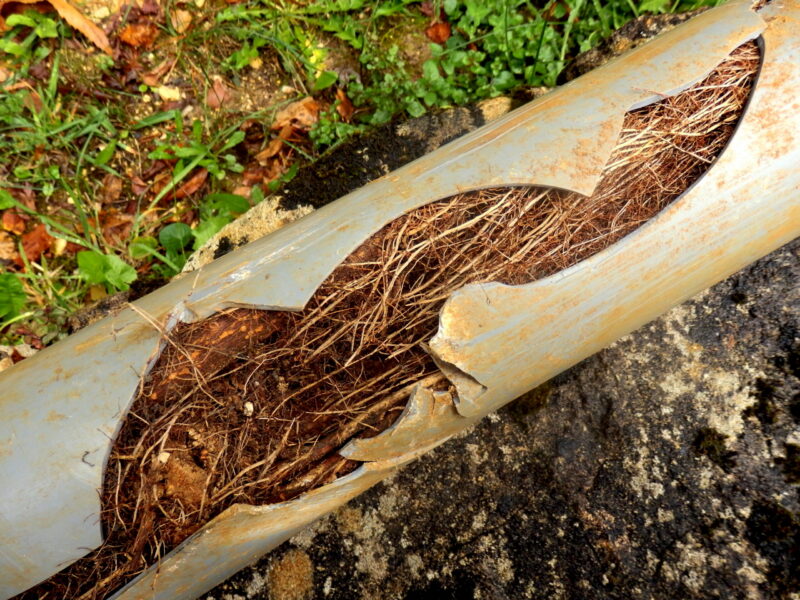
If you call Greenfield or the surrounding areas home, you’re no stranger to the region’s thriving trees that lend shade, beauty, and distinct character to the neighborhoods. What many homeowners don’t anticipate, however, is that these same trees can become a major threat to your sewer lines. Even the tiniest crack or loose joint in an underground pipe can become an entry point for tree roots, resulting in persistent blockages, slow drains, and even costly plumbing repairs. Fortunately, these problems tend to develop slowly, giving you a valuable opportunity to address root intrusions before they turn into full-blown emergencies.
Need professional help with stubborn drain issues? Contact Summers Plumbing Heating & Cooling for expert sewer solutions, servicing Greenfield and surrounding areas. Get a $99 drain cleaning service for this month only! (Terms and conditions apply).
This article will outline the warning signs of tree roots invading your sewer system, practical solutions to remove them, and useful strategies for preventing future root problems in your plumbing.
Why Do Tree Roots Invade Sewer Pipes?
Sewer lines are designed to transport wastewater from your home out to municipal systems or septic tanks, safeguarding your property from unpleasant backups. In many Greenfield homes—especially older properties—pipes may be made from materials such as clay or cast iron, which are more susceptible to cracks and joint separation as they age. Modern homes usually benefit from PVC or ABS pipes, which are more resilient but still not immune to root intrusion if they are damaged.
When a pipe cracks or its joints become loose, moisture seeps into the surrounding soil. For nearby trees, particularly those with aggressive root systems like willows, silver maples, elms, poplars, birches, and sycamores, this is an open invitation. Their roots actively seek out sources of water and nutrients, and the escaping moisture provides both. Once inside, roots can spread lengthwise within pipes, trap wastewater debris, and eventually create major clogs that disrupt your entire home.
Spotting the Signs: How to Tell if Tree Roots Are Affecting Your Sewer
Tree root infiltration happens underground, but it leads to several noticeable issues in and around your house. Here are some common indicators that you may be dealing with tree roots in your sewer line:
- Multiple slow drains: When you observe sinks, tubs, or showers throughout the house all draining sluggishly at the same time, this suggests an obstruction in the main sewer line.
- Ongoing toilet clogs: Clogs happening repeatedly in more than one toilet are a strong hint that the main pipe is affected.
- Wastewater overflows: If drains in low-lying spots like basements or showers begin to back up, the main line is likely blocked.
- Odd gurgling sounds: Listen for gurgles or bubbling noises when you flush the toilet or run water—these can signal a blockage creating back pressure in the pipes.
- Persistent sewer odors: A foul smell throughout your home often points to trapped wastewater unable to escape normally.
- Vivid patches of grass or wet spots in your yard: If you see unusually green, lush, or soggy sections on your lawn, it could be due to leaking sewage below the surface.
While these symptoms are strong warning signs, only a professional inspection—usually involving a video camera—can determine if the problem is truly caused by roots and assess the severity.
Immediate Actions If You Suspect Root Intrusion
Delaying action on a suspected root intrusion can lead to even more significant damage, such as pipe collapse, raw sewage backup into your home, or expensive landscaping repairs. If you’re experiencing telltale signs of a blockage, you should minimize water usage and avoid running appliances like dishwashers or washing machines until you consult with a plumbing professional in the Greenfield area.
A reputable plumber will recommend a camera inspection, which involves sending a specialized video camera down the line to pinpoint the root of the problem—quite literally in the case of tree roots. This allows for precise identification of damage and informs the best course of action.
Effective Solutions for Tree Root Sewer Problems
Once root infiltration is confirmed, several solutions can be used to clear the blockage and restore flow to your pipes. The best method will depend on the type of pipe, the extent of the blockage, and the severity of the damage:
- Root cutting and clearing: Mechanical augers—sometimes called rooters or snaking tools—use rotating blades to cut and extract roots from the line. While effective for short-term relief, roots may regrow if access points remain.
- Hydro-jetting: This technique blasts away roots, grease, and buildup using highly pressurized water. Hydro-jetting is more thorough than standard snaking methods, making it well-suited for stubborn clogs. However, if the pipe remains cracked, root regrowth is possible.
- Pipe lining: For moderately damaged pipes, a resin-coated liner can be installed inside, hardening to form a seamless barrier against future root intrusion, all without removing the original pipe.
- Pipe replacement: In the case of severely damaged pipes, replacement may be necessary. Depending on the situation, techniques such as trenchless pipe bursting can replace old sections with minimal disturbance to your property.
Your plumbing expert can help recommend the best solution based on the age and condition of your sewer system.
Prevention: How to Keep Roots from Returning
Prevention is key for residents in Greenfield and surrounding areas, especially if your property features mature trees or if your home’s plumbing is several decades old. Scheduling regular video inspections and drain cleanings can help you spot potential vulnerabilities before roots gain entry. If you’re replacing landscaping, consider planting trees with less invasive roots away from sewer lines.
In addition to preventive maintenance, act quickly when the warning signs described above begin to surface. Early detection and prompt attention to minor leaks or slow drains can save you from future headaches—and hefty repair bills.
If you’re experiencing recurring plumbing issues or suspect that tree root invasion may be to blame, contact Summers Plumbing Heating & Cooling for a camera drain inspection. Our licensed professionals will provide a thorough assessment of your home’s drains and sewer lines. And don’t forget to ask about our $99 drain cleaning special, available for a limited time to Greenfield homeowners.
Summers PHC Is Here to Keep Your Sewer Lines Clear
Don’t let tree roots wreak havoc on your home’s plumbing. The experts at Summers Plumbing Heating & Cooling offer advanced diagnostics, reliable repair options, and proactive maintenance for sewer and drain problems across the Greenfield area. Protect your home, yard, and peace of mind—book your service with our trusted team today.
Take advantage of our local offers and schedule your drain or sewer service now by calling (317) 565-4419, or conveniently schedule online.