

Sewer Line Repair vs Replacement: What’s the Long-Term Solution?
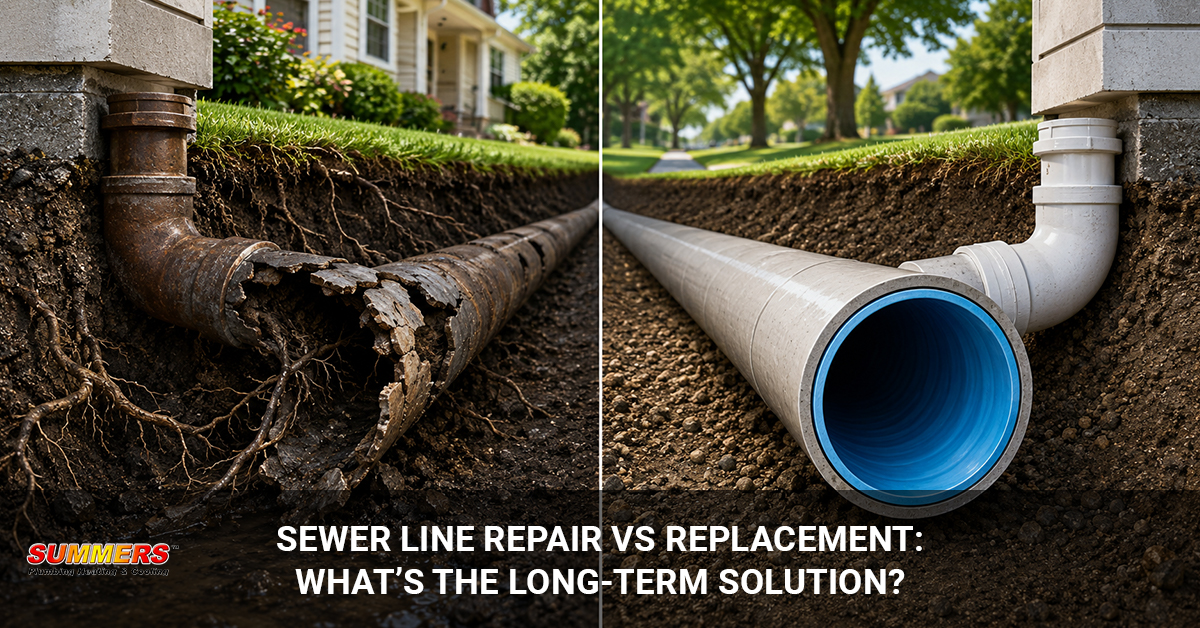
Sewer line repair can fix small or isolated pipe problems, while full sewer line replacement is usually the better long-term solution for severe damage, old pipes, or recurring sewage backups. The right option depends on the condition of the sewer line, the age of the pipes, and how often problems keep returning.
Sewer line issues can become expensive quickly if they are ignored. Problems like tree root intrusion, cracked pipes, corrosion, pipe collapse, and repeated drain backups often point to serious underground sewer damage that needs professional attention.
This guide explains the difference between sewer line repair and replacement, including costs, warning signs, inspection methods, and which option may save more money over time.
What Is Sewer Line Repair?
Sewer line repair focuses on fixing damaged sections of the sewer pipe without replacing the entire system. Repairs are usually recommended when the damage is limited to one area and the rest of the sewer line is still in good condition.
In many cases, sewer line repair can restore proper drainage and prevent larger plumbing problems without the higher cost of full replacement.
How Sewer Line Repair Works
Sewer line repair usually targets isolated pipe problems instead of replacing the full sewer line. Plumbers inspect the pipe, locate the damaged section, and repair only the affected area.
Common problems that sewer repair can address include:
- Small pipe cracks
- Minor leaks
- Localized tree root intrusion
- Partial blockages
- Small separated pipe joints
The goal is to restore proper sewer flow while keeping the remaining pipe system intact.
Common Sewer Line Repair Methods
Plumbers use several repair methods depending on the type of pipe damage and the accessibility of the sewer line.
Common sewer repair options include:
- Trenchless pipe repair
- Pipe lining
- Spot excavation
- Pipe patching
- Sectional pipe replacement
Some repair methods require only small access points, while others may involve digging to reach the damaged pipe section.
Problems Sewer Line Repair Can Fix
Sewer line repair is often effective for smaller or localized pipe problems that have not caused major structural failure.
Repairs can commonly fix:
- Minor pipe cracks
- Small leaks
- Limited root intrusion
- Small joint separations
- Partial sewer clogs
When the damage is caught early, repairs can often restore normal drainage without replacing the entire sewer system.
When Repair Is Usually Recommended
Repair is usually recommended when the sewer line damage is limited and most of the pipe remains structurally sound.
Sewer repair is often the better option when:
- The damage affects only one section
- The sewer line is relatively new
- There is no major pipe collapse
- Corrosion is minimal
- Recurring backups are not severe
In many situations, spot repairs can extend the life of the sewer system while avoiding the higher cost of full replacement.
What Is Sewer Line Replacement?
Sewer line replacement involves removing and replacing damaged sewer pipes when repairs are no longer reliable or cost-effective. Full replacement is often recommended for severe pipe damage, aging sewer systems, or recurring sewage problems that keep returning after repairs.
Although replacement usually costs more upfront, it often provides a longer-lasting and more reliable solution.
Full Sewer Line Replacement Explained
Full sewer line replacement usually means replacing large sections of the sewer pipe or the entire line running from the home to the city sewer connection or septic system.
New sewer lines are commonly installed using modern materials such as PVC because they are:
- More durable
- Resistant to corrosion
- Less vulnerable to tree root intrusion
- Designed for longer service life
Replacing the entire sewer line can help eliminate recurring plumbing problems caused by old or deteriorating pipes.
Common Sewer Line Replacement Methods
Plumbers use different replacement methods depending on the condition of the sewer line and the property layout.
Common sewer replacement methods include:
- Traditional excavation
- Trenchless pipe bursting
- Full sewer line replacement
The best method depends on several factors, including:
- Pipe condition
- Pipe depth
- Landscaping
- Soil conditions
- Accessibility
Some methods require more digging, while trenchless systems can reduce yard damage significantly.
Problems That Usually Require Replacement
Full sewer replacement is often necessary when the pipe system has severe or widespread damage that repairs cannot reliably fix.
Replacement is commonly recommended for:
- Collapsed sewer pipes
- Severe corrosion
- Repeated sewage backups
- Major tree root intrusion
- Extensive pipe damage
- Aging clay or cast iron pipes
Older sewer systems with widespread deterioration are usually better candidates for replacement instead of repeated repairs.
When Full Replacement Is Recommended
Full sewer line replacement is usually recommended when the sewer system continues having recurring problems or the pipe structure is no longer reliable.
Replacement is often the better option when:
- The sewer line has repeated backups
- Multiple pipe sections are damaged
- The pipe material is outdated
- Repairs would only provide temporary relief
- The sewer system is several decades old
While replacement may cost more initially, it often provides better long-term performance and reduces the risk of future sewer emergencies.
Sewer Line Repair vs Replacement: Key Differences
Sewer line repair and sewer line replacement differ in cost, lifespan, installation process, and long-term reliability. The best option depends on how severe the damage is and whether the sewer system can still function reliably after repairs. Homeowners comparing drain repair vs replacement should consider long-term pipe condition and recurring sewer problems.
Cost Comparison
Sewer line repair is usually less expensive upfront because plumbers only fix the damaged section of the pipe. Small repairs can often cost much less than replacing the full sewer system.
Full sewer line replacement costs more because larger pipe sections or the entire sewer line must be removed and replaced. Excavation, new piping, and landscaping repairs can increase the total price.
Lifespan Comparison
Small sewer repairs may last several years if the remaining pipe system is still in good condition. However, full sewer replacement usually provides a much longer lifespan and better long-term reliability.
Modern sewer pipes made from PVC can often last:
- 50 years or more
Older sewer systems with repeated problems may continue failing even after repairs if the rest of the pipe remains deteriorated.
Installation Time Differences
Sewer repairs are often completed faster than full replacements because plumbers only work on one damaged section.
Some trenchless sewer repairs may be completed in a single day, while full sewer replacement projects can take several days depending on:
- Excavation requirements
- Pipe depth
- Property access
- Soil conditions
Larger replacement projects may also require permits and inspections.
Property Damage and Excavation
Traditional sewer replacement often requires digging through parts of the property to reach the damaged pipe.
Excavation may affect:
- Yards
- Driveways
- Landscaping
- Sidewalks
- Patios
Trenchless repair and replacement methods usually reduce property damage because they require much smaller access points.
Long-Term Reliability
Full sewer replacement generally offers better long-term reliability because the entire damaged system is replaced instead of patched in sections.
Repairs may solve immediate problems, but aging sewer systems can continue developing new leaks, cracks, or root intrusion over time.
Which Option Saves More Money Long Term?
Minor isolated sewer problems are often cheaper to repair. However, sewer lines with repeated failures, severe corrosion, or extensive root damage may cost less long term if they are replaced completely instead of repaired multiple times.
In many cases, replacement provides better long-term value by reducing future repair costs and lowering the risk of major sewer emergencies.
Signs Your Sewer Line May Need Repair
Small sewer line problems often show warning signs before a major sewer failure happens. Catching these issues early can help prevent expensive water damage, sewage backups, and larger pipe repairs later.
Slow Drains
Slow drains throughout the home may indicate a developing sewer blockage or partial pipe damage. If multiple sinks, tubs, or toilets drain slowly at the same time, the main sewer line may be partially clogged or damaged underground.
Occasional Backups
Occasional sewage backups can signal localized sewer line problems that may still be repairable. Backups that happen only sometimes may point to small blockages, root intrusion, or limited pipe damage rather than complete sewer failure.
Ignoring occasional backups can allow the problem to become much worse over time.
Small Leaks
Minor underground sewer leaks may create damp spots, soggy soil, or sewer odors around the property. In some cases, homeowners may also notice patches of unusually green grass caused by leaking wastewater underground.
Small leaks can sometimes be repaired before major pipe replacement becomes necessary.
Minor Root Intrusion
Tree roots entering small openings in the sewer pipe can often be repaired before severe damage develops. Early root intrusion may only affect one section of pipe and can sometimes be cleared or repaired without replacing the full sewer line.
Large root growth left untreated can eventually crack or collapse the pipe.
Sewer Odors Around the Yard
Sewer smells outside the home may indicate underground leaks, separated joints, or small cracks in the sewer line. Persistent sewer odors should never be ignored because they often point to hidden pipe damage below the surface.
Signs You May Need Full Sewer Line Replacement
Some sewer problems are signs of widespread pipe failure that usually requires full sewer line replacement instead of another repair. When sewer damage becomes severe or keeps returning, replacing the line is often the safer and more reliable long-term solution.
Frequent Sewage Backups
Frequent sewage backups often signal major sewer line deterioration, blockage, or pipe collapse. If backups continue happening after multiple cleanings or repairs, the sewer system may have deeper structural problems underground.
Recurring backups are one of the strongest signs the sewer line may need replacement.
Multiple Drain Problems Throughout the House
If several drains in the home back up at the same time, the main sewer line may be severely damaged or blocked. Problems affecting multiple fixtures often point to a larger issue deeper inside the sewer system rather than a simple drain clog.
Collapsed or Broken Pipes
Collapsed or broken sewer pipes are one of the clearest signs that full replacement is necessary. A collapsed pipe can completely block wastewater flow and may cause sewage backups, soil shifting, or sinkholes in the yard.
Severely damaged pipes usually cannot be repaired reliably with temporary patching methods.
Severe Tree Root Damage
Large tree roots can crush, separate, or completely invade sewer pipes over time. Severe root intrusion often causes repeated blockages, pipe cracks, and structural damage throughout the sewer line.
In many cases, widespread root damage requires replacing the affected pipe sections completely.
Old Clay or Cast Iron Pipes
Older clay and cast iron sewer pipes naturally deteriorate as they age. These materials are more vulnerable to:
- Corrosion
- Cracking
- Root intrusion
- Pipe separation
Older sewer systems with repeated issues are often better candidates for full replacement.
Soggy Areas in the Yard
Wet, muddy, or sunken areas in the yard may indicate underground sewer leakage. Sewer leaks can slowly saturate the soil and damage landscaping over time.
Unexplained soggy spots near the sewer line path should always be inspected professionally.
Foundation or Structural Concerns
Long-term sewer leaks can sometimes contribute to soil shifting, foundation settling, or structural problems around the home. Leaking wastewater underground may gradually weaken the soil supporting the property.
Addressing sewer line damage early can help prevent more expensive structural repairs later.
How Plumbers Inspect Sewer Lines
Professional sewer inspections help plumbers determine whether sewer line repair or full replacement is the better long-term solution. Modern inspection equipment allows hidden underground pipe problems to be identified without unnecessary digging.
Sewer Camera Inspection
A sewer camera inspection uses a small waterproof camera attached to a flexible cable to inspect the inside of the sewer pipe. The camera sends live video footage to a monitor so plumbers can see the exact condition of the sewer line.
This inspection helps identify problems such as:
- Cracks
- Blockages
- Tree root intrusion
- Pipe collapse
- Corrosion
- Separated joints
Sewer camera inspections are one of the most accurate ways to diagnose underground sewer problems without excavation.
Hydrostatic Pressure Testing
Hydrostatic pressure testing helps identify hidden sewer leaks or damaged pipe sections that may not be visible during a standard inspection.
During the test, plumbers measure how well the sewer system holds pressure. Pressure loss may indicate leaks, cracks, or damaged connections somewhere in the line.
Locating Underground Pipe Damage
Modern sewer inspection equipment allows plumbers to locate underground pipe damage accurately before excavation begins. Specialized locating tools can identify:
- Pipe depth
- Pipe location
- Blockage areas
- Broken sections
Accurate locating helps reduce unnecessary digging and can lower repair costs.
Why Professional Inspection Matters
A professional sewer inspection helps homeowners avoid unnecessary repairs and choose the most cost-effective long-term solution. Proper inspections can also prevent misdiagnosing the problem and help identify hidden pipe damage before it becomes a major sewer emergency.
In many cases, an inspection can determine whether a simple repair is enough or if full sewer line replacement will provide better long-term reliability.
Sewer Line Repair Costs
Sewer line repair costs vary depending on the pipe condition, repair method, accessibility, and the severity of the damage. Small localized repairs are usually less expensive, while deeper pipes or major root intrusion can increase the total cost significantly.
Average Sewer Line Repair Cost
Most sewer line repairs cost between $1,000 and $6,000 depending on the type of damage and how difficult the repair is to complete.
Minor spot repairs are usually less expensive, while trenchless repairs or larger damaged sections may cost more.
Cost by Repair Type
Sewer repair pricing can vary based on the repair method used and the condition of the pipe.
Typical sewer repair methods include:
- Pipe lining
- Spot repairs
- Trenchless pipe repair
- Sectional pipe replacement
Pipe lining and trenchless repairs may cost more upfront but can reduce excavation and landscaping damage.
Factors That Affect Repair Pricing
Several factors can affect the final sewer line repair cost.
Repair pricing often depends on:
- Pipe depth
- Accessibility
- Pipe material
- Severity of root intrusion
- Amount of pipe damage
- Local labor rates
- Permit requirements
Repairs under driveways, sidewalks, or deep underground pipes usually require more labor and equipment, which can increase overall costs.
Sewer Line Replacement Costs
Full sewer line replacement is usually more expensive than repair, but it often provides better long-term value for severely damaged or aging sewer systems. The total cost depends on pipe length, excavation needs, pipe depth, and the replacement method used.
Average Sewer Line Replacement Cost
Most full sewer line replacements cost between $3,000 and $15,000 or more depending on the size of the project and how difficult the excavation is.
Smaller residential sewer replacements may cost less, while long sewer lines or difficult digging conditions can increase the total price significantly.
Traditional Excavation Costs
Traditional sewer excavation often costs more because large sections of the property may need to be dug up to reach the damaged pipe.
Costs can increase when:
- Concrete must be removed
- Landscaping is affected
- Deep digging is required
- Driveways or sidewalks are damaged
- Heavy equipment is needed
Excavation projects may also require additional restoration work after the new sewer line is installed.
Trenchless Sewer Replacement Costs
Trenchless sewer replacement can reduce landscaping and property damage because it requires much smaller access points than traditional excavation.
Although trenchless methods may reduce restoration costs, they still involve specialized equipment and labor, which can keep pricing relatively high in some situations.
Additional Costs Homeowners Should Expect
Full sewer replacement projects often involve additional expenses beyond the pipe installation itself.
Additional costs may include:
- Landscaping repair
- Permit fees
- Concrete replacement
- Driveway repair
- Soil restoration
- Plumbing inspections
These extra costs can add significantly to the final project price depending on the property layout.
Factors That Affect Replacement Pricing
Several factors influence the total sewer line replacement cost.
Replacement pricing often depends on:
- Pipe depth
- Pipe length
- Soil conditions
- Access limitations
- Pipe material
- Local labor rates
- Sewer line location
- Amount of excavation required
Deep sewer lines, difficult property access, and older underground infrastructure usually increase labor and equipment costs.
Trenchless Sewer Repair vs Traditional Excavation
Both trenchless sewer repair and traditional excavation can solve sewer line problems, but each method works best in different situations. The right option depends on the condition of the sewer pipe, the amount of damage, and how accessible the line is underground.
What Is Trenchless Sewer Repair?
Trenchless sewer repair fixes or replaces underground sewer pipes with minimal digging. Instead of opening large sections of the yard, plumbers use specialized equipment to repair or replace the pipe through small access points.
Common trenchless methods include:
- Pipe lining
- Pipe bursting
- Trenchless pipe replacement
These methods are designed to reduce disruption to the property while restoring sewer flow.
Advantages of Trenchless Methods
Trenchless sewer repair offers several advantages compared to traditional excavation, especially for homeowners who want to protect landscaping or hardscaping.
Benefits often include:
- Less yard damage
- Faster project completion
- Reduced landscaping repairs
- Smaller excavation areas
- Less disruption to driveways and sidewalks
Many trenchless projects can also be completed more quickly than full excavation.
Limitations of Trenchless Repair
Trenchless sewer repair does not work in every situation. Some sewer lines are too damaged for trenchless methods to provide a safe or reliable repair.
Trenchless repair may not work well for:
- Completely collapsed pipes
- Severe pipe offsets
- Extensive structural failure
- Major pipe separation
- Extremely deteriorated sewer lines
In these cases, full excavation and replacement may be necessary.
When Excavation Is Necessary
Traditional excavation may still be required when the sewer pipe has severe structural damage or complete collapse. Excavation allows plumbers to fully remove damaged pipe sections and inspect surrounding soil conditions directly.
Excavation is often recommended for:
- Crushed pipes
- Large pipe collapses
- Extensive root damage
- Major alignment problems
- Older sewer systems with widespread deterioration
Although excavation can be more disruptive, it may provide the most reliable long-term solution for severely damaged sewer lines.
Which Option Is Better for Long-Term Results?
The best long-term solution depends on the condition of the sewer line and whether the existing pipe structure can safely support trenchless repair methods.
Trenchless repair can provide excellent long-term performance when the pipe still has enough structural integrity. However, sewer lines with major collapse, severe corrosion, or widespread deterioration often benefit more from complete replacement through excavation.
A professional sewer camera inspection is usually the best way to determine which option will provide the safest and most reliable long-term results.
Which Sewer Pipe Materials Last the Longest?
Some sewer pipe materials last much longer than others, especially when they are properly installed and maintained. Pipe lifespan depends on the material, soil conditions, moisture exposure, tree root activity, and the overall condition of the plumbing system.
PVC Sewer Pipes
PVC sewer pipes are one of the longest-lasting and most commonly used materials in modern sewer systems. They are highly durable, corrosion-resistant, and much less vulnerable to tree root intrusion compared to older pipe materials.
PVC pipes are also:
- Lightweight
- Smooth inside for better drainage
- Resistant to rust and corrosion
- Easier to repair or replace
In many homes, properly installed PVC sewer lines can last 50 years or more.
Cast Iron Sewer Pipes
Cast iron sewer pipes are strong and durable but can eventually corrode as they age. Many older homes still have original cast iron sewer systems that have been in place for decades.
Over time, cast iron pipes may develop:
- Rust buildup
- Corrosion
- Cracks
- Interior scaling
Although cast iron can last several decades, aging systems often require repair or replacement as corrosion worsens.
Clay Sewer Pipes
Clay sewer pipes were commonly used in older homes but are more vulnerable to cracking and tree root intrusion. The joints between clay pipe sections can allow roots to enter the sewer line over time.
As clay pipes age, they may become more susceptible to:
- Cracking
- Shifting
- Root damage
- Joint separation
Many older clay sewer systems eventually require replacement because of repeated root intrusion and structural deterioration.
Orangeburg Pipes
Orangeburg pipes are known for structural weakness and are one of the least durable sewer pipe materials still found in older properties. These pipes were made from layers of wood pulp and tar-like materials rather than traditional metal or plastic.
Over time, Orangeburg pipes can:
- Collapse
- Deform
- Soften
- Restrict wastewater flow
Because of their short lifespan and structural problems, Orangeburg sewer lines are often replaced completely rather than repaired.
Lifespan Comparison by Pipe Material
Sewer pipe lifespan varies significantly based on the pipe material, soil conditions, moisture exposure, and maintenance history.
In general:
- PVC pipes tend to last the longest
- Cast iron pipes offer strong durability but may corrode
- Clay pipes are vulnerable to roots and cracking
- Orangeburg pipes often fail much sooner than modern materials
Regular sewer inspections can help identify aging pipe problems before major sewer failure occurs.
Can Sewer Line Problems Affect Home Value?
Yes, sewer line problems can affect both property value and home sale negotiations. Serious sewer issues often raise concerns for buyers, lenders, home inspectors, and insurance companies because repairs can become very expensive.
Ignoring sewer problems may also lead to larger plumbing and structural issues over time.
Home Inspection Issues
Sewer line problems are commonly discovered during home inspections, especially if buyers request a sewer camera inspection before closing. Inspectors may identify:
- Sewer backups
- Pipe damage
- Root intrusion
- Corrosion
- Drainage problems
Major sewer issues found during inspections can delay the sale process or create pressure for repairs before closing.
Insurance Concerns
Some insurance companies may not cover certain types of sewer line damage, especially if the damage is caused by:
- Aging pipes
- Tree roots
- Lack of maintenance
- Long-term deterioration
In some cases, insurance companies may request sewer repairs or replacements before approving coverage for the property.
Buyer Negotiations
Major sewer problems can affect buyer confidence and often lead to:
- Repair requests
- Lower purchase offers
- Delayed closings
- Additional inspections
Buyers may also negotiate credits or price reductions if the sewer system needs major repairs or replacement.
Why Sewer Problems Should Not Be Ignored
Ignoring sewer line issues can lead to more serious and expensive damage over time. Small pipe problems can eventually turn into major sewer failures if left untreated.
Sewer damage can lead to:
- Water damage
- Sewage backups
- Structural damage
- Foundation issues
- Higher repair costs later
Addressing sewer line problems early can help protect the home’s plumbing system, property value, and long-term resale potential.
How to Prevent Future Sewer Line Problems
Preventive maintenance can help reduce the risk of major sewer line damage and expensive plumbing emergencies. Taking care of the sewer system early often helps homeowners avoid backups, leaks, and costly replacements later.
Schedule Regular Sewer Inspections
Routine sewer inspections help identify small problems before they become major repairs. Professional inspections can detect:
- Early root intrusion
- Small cracks
- Pipe corrosion
- Partial blockages
- Weak pipe sections
Many homeowners schedule sewer inspections every few years, especially in older homes with aging plumbing systems.
Avoid Flushing Problem Materials
Certain materials can clog or damage sewer pipes over time and should never be flushed down drains or toilets.
Avoid flushing:
- Grease
- Wipes
- Paper towels
- Hygiene products
- Cooking oils
- Cotton products
These materials can build up inside the sewer line and increase the risk of blockages and backups.
Manage Tree Root Growth
Tree roots are one of the most common causes of sewer line damage. Roots naturally seek moisture and can enter small cracks or joints in underground pipes.
Managing root growth around sewer lines can help reduce:
- Pipe intrusion
- Root blockages
- Cracked pipes
- Pipe separation
Large trees located near older sewer lines may require extra monitoring.
Install Root Barriers if Needed
Root barriers may help protect sewer lines located near large trees or aggressive root systems. These underground barriers help redirect root growth away from the sewer pipe.
In some situations, plumbers may also recommend periodic root treatments to help reduce future intrusion.
Replace Aging Pipes Before Failure
Older sewer lines are often more vulnerable to corrosion, cracking, root intrusion, and collapse. Replacing aging pipes before major failure occurs can sometimes be safer and more cost-effective than waiting for an emergency sewer backup.
Preventive replacement may help homeowners avoid:
- Severe sewage damage
- Emergency excavation
- Foundation problems
- Expensive property repairs
Repair vs Replacement: Which Option Is Best?
The best long-term solution depends on the sewer line’s overall condition, age, repair history, and the severity of the damage. Minor isolated problems may only require repair, while older or severely damaged systems are often better candidates for full replacement.
A professional sewer inspection is usually the best way to determine which option will provide the safest and most cost-effective long-term result.
When Repair Makes More Sense
Sewer line repair is usually the better option when the damage is limited and the rest of the pipe system is still in good condition.
Repair often makes more sense when:
- The damage is minor
- Problems are isolated to one section
- The sewer line is relatively new
- The pipe structure remains strong
- There is no major collapse or widespread corrosion
In many cases, small repairs can restore proper sewer flow and extend the life of the system without the higher cost of full replacement.
When Replacement Is the Better Long-Term Solution
Full sewer line replacement is often the better long-term solution when the sewer system has widespread deterioration or recurring failures.
Replacement is commonly recommended for:
- Aging sewer systems
- Recurring sewage backups
- Extensive root intrusion
- Severe corrosion
- Collapsed pipes
- Multiple damaged sections
Although replacement costs more upfront, it can help reduce future repair costs and lower the risk of ongoing sewer problems.
Questions to Ask a Sewer Contractor
Homeowners should ask detailed questions before deciding between repair and replacement. A professional plumber or sewer contractor should clearly explain the condition of the sewer line and the expected long-term results.
Important questions include:
- What did the sewer inspection show?
- How damaged is the pipe?
- How long will the repair last?
- What warranty is included?
- What are the total repair vs replacement costs?
- Is the sewer line likely to fail again soon?
Understanding the full condition of the sewer system can help homeowners make a more informed decision.
Importance of Long-Term Cost Planning
Choosing the cheapest short-term option does not always save money long term. Repeated sewer repairs can eventually become more expensive than replacing the system completely.
Long-term planning is important because sewer problems can affect:
- Property value
- Plumbing reliability
- Landscaping
- Foundation stability
- Future repair costs
In many situations, investing in a long-term solution early can help homeowners avoid repeated emergencies and larger repair bills later.
Final Thoughts
Sewer line repair can solve minor or isolated sewer problems, while full sewer line replacement is often the better long-term solution for aging pipes, severe damage, or recurring sewage backups. The right choice depends on the condition of the sewer system and how reliable the existing pipes still are.
Although sewer repairs may cost less upfront, repeated backups and ongoing pipe failures can eventually become more expensive than replacing the sewer line completely. A professional sewer inspection can help identify the true condition of the pipes and determine the most reliable long-term solution.
Choosing the right option early can help protect your home, plumbing system, landscaping, and property value while reducing the risk of future sewer emergencies.