

Warning Signs of a Collapsing Sewer Line to Watch For
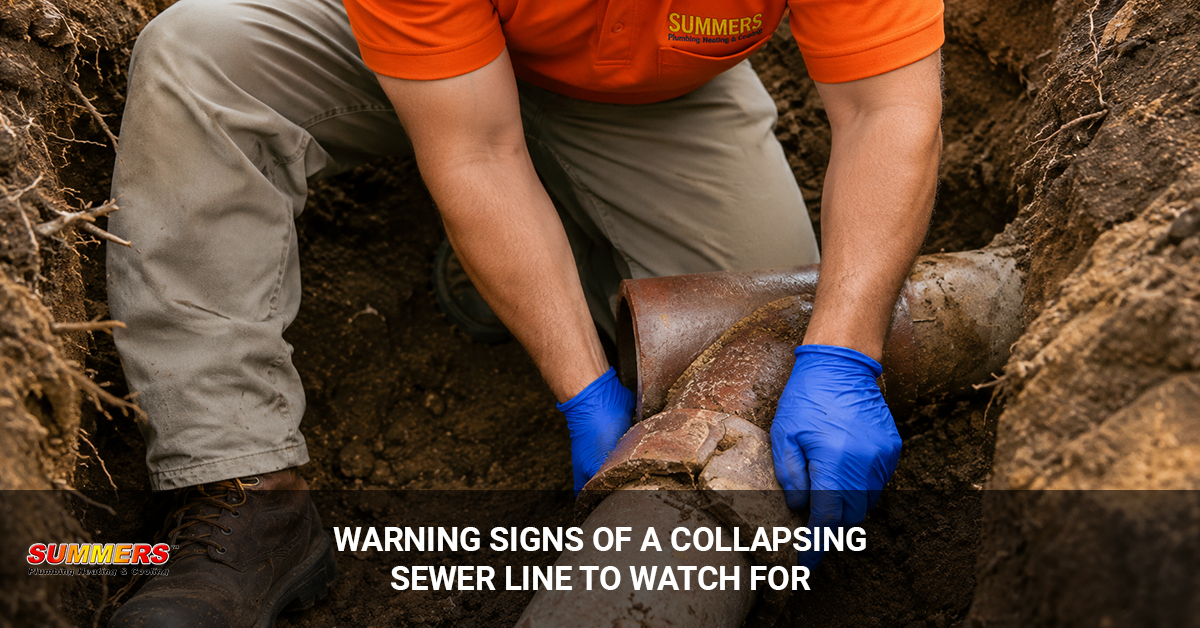
A collapsing sewer line often shows warning signs before it fails completely. Multiple slow drains, recurring sewage backups, foul sewer odors, gurgling toilets, and wet spots in the yard are all common indicators that the underground sewer pipe may be cracked, sagging, or collapsing. Recognizing these symptoms early can help prevent extensive property damage and avoid a costly plumbing emergency.
Sewer lines don’t usually collapse overnight. In most cases, years of corrosion, tree root intrusion, shifting soil, aging pipes, or heavy loads above the sewer line gradually weaken the pipe until wastewater can no longer flow properly. As the damage worsens, clogs become more frequent, drainage problems spread throughout the home, and sewage may begin backing up into sinks, showers, toilets, or basement floor drains.
In this guide, you’ll learn what a collapsing sewer line is, the most common warning signs, what causes sewer pipes to fail, how plumbers diagnose the problem, available repair options, and when it’s time to call a licensed plumber before minor damage turns into a complete sewer line failure.
What Is a Collapsing Sewer Line?
A collapsing sewer line is an underground sewer pipe that has cracked, shifted, sagged, or caved in enough to restrict or completely block the flow of wastewater. As the pipe loses its structural strength, sewage can no longer move freely from your home to the municipal sewer system or septic tank. The result is recurring drainage problems, sewage backups, and eventually complete sewer line failure if the damage isn’t repaired.
Sewer lines usually collapse gradually rather than all at once. Older pipe materials, tree root intrusion, corrosion, soil movement, and heavy pressure from above can weaken the pipe over many years before obvious symptoms appear.
| Healthy Sewer Line | Collapsing Sewer Line |
| Wastewater flows freely | Wastewater drains slowly or backs up |
| Pipe remains structurally stable | Pipe is cracked, sagging, or collapsed |
| Few drainage problems | Recurring clogs and sewer backups |
| No sewer odors | Persistent sewer gas smells may develop |
| Normal yard conditions | Wet spots, sinkholes, or unusually green grass may appear |
Unlike a simple drain clog, a collapsing sewer line affects the entire plumbing system. As the pipe continues to deteriorate, wastewater has fewer paths to escape, increasing the risk of major plumbing damage and expensive repairs. Early diagnosis gives homeowners the best chance of repairing the problem before a full sewer line replacement becomes necessary.
Warning Signs of a Collapsing Sewer Line
A collapsing sewer line usually causes recurring drainage problems throughout your home before it fails completely. As the pipe continues to crack, sag, or collapse, wastewater can no longer flow normally, leading to increasingly serious plumbing issues.
Multiple Slow Drains
Several slow drains are one of the earliest signs of a collapsing sewer line. If sinks, showers, bathtubs, and floor drains all begin draining slowly, the sewer pipe may be partially blocked or damaged underground.
Frequent Sewage Backups
Recurring sewage backups often indicate severe sewer line damage. Wastewater may back up through toilets, showers, bathtubs, or basement floor drains because it cannot pass through the collapsed section of pipe.
Gurgling Toilets and Drains
Gurgling sounds from toilets and drains usually occur when trapped air struggles to move through a damaged sewer line. These noises often become more noticeable after flushing a toilet or running large amounts of water.
Persistent Sewer Odors
Strong sewer odors inside or outside your home may indicate a cracked or collapsed sewer pipe. Escaping wastewater and sewer gases can create unpleasant smells around drains, basements, crawl spaces, or the yard.
Wet Spots or Sinkholes in the Yard
Unexpected wet areas or sinking ground above the sewer line can signal an underground pipe failure. A collapsed sewer line may leak wastewater into the surrounding soil, creating soft ground, muddy areas, or small sinkholes.
Foundation or Lawn Settlement
Shifting soil caused by a leaking sewer line can contribute to uneven ground or minor foundation movement. As wastewater erodes the surrounding soil, parts of the lawn or hardscape may begin to settle.
Unusually Green Grass
Bright green patches of grass directly above the sewer line often indicate an underground wastewater leak. Escaping sewage adds moisture and nutrients to the soil, causing grass to grow faster and appear healthier than the surrounding lawn.
If you notice several of these warning signs at the same time, don’t assume the problem is a simple clog. A professional sewer camera inspection can determine whether the sewer line has collapsed and identify the most effective repair before the damage becomes more extensive.
What Causes a Sewer Line to Collapse?
Sewer lines usually collapse because years of wear, external pressure, or underground movement weaken the pipe until it can no longer support itself. While some sewer pipes last for decades, aging materials and environmental conditions can gradually lead to structural failure.
Aging Pipes
Older sewer pipes naturally weaken over time. Clay, cast iron, Orangeburg, and other older pipe materials can crack, corrode, or deteriorate after decades of use. As the pipe loses strength, it becomes more likely to sag or collapse.
Tree Root Intrusion
Tree roots are one of the leading causes of sewer line damage. Roots grow toward the moisture inside the pipe, entering through small cracks or loose joints. As they expand, they place pressure on the pipe walls, widen existing damage, and eventually contribute to structural failure.
Soil Movement
Shifting soil can place significant stress on underground sewer pipes. Heavy rainfall, drought, erosion, freezing and thawing cycles, or nearby excavation can cause the ground to move, leading to cracked, separated, or collapsed sewer lines.
Corrosion
Corrosion gradually weakens metal sewer pipes from the inside out. Cast iron pipes are especially vulnerable to rust and corrosion, which reduce the pipe’s thickness and make it more susceptible to cracking or collapse.
Heavy Vehicles or Construction Above the Sewer Line
Excessive weight above a sewer line can damage underground pipes. Repeated traffic from heavy vehicles, construction equipment, or large structures built over the sewer line can compress the soil and increase the risk of pipe failure.
Poor Installation
Improper installation can shorten the lifespan of a sewer line. Pipes that lack proper support, have poor joint connections, or are installed with incorrect slope may experience premature wear, separation, or collapse.
Understanding what causes sewer line failure can help homeowners take preventive action. Routine inspections and early repairs often prevent minor damage from progressing into a complete sewer line collapse.
How Plumbers Diagnose a Collapsing Sewer Line
Professional plumbers use specialized equipment to confirm whether a sewer line has collapsed and determine the extent of the damage. Accurate diagnosis helps identify the exact location of the failure and the most effective repair method.
Sewer Camera Inspection
A sewer camera inspection is the most reliable way to diagnose a collapsing sewer line. A waterproof camera travels through the sewer pipe, allowing the plumber to locate cracks, sagging sections, tree root intrusion, pipe separation, or a complete collapse without digging up the yard.
Sewer Line Locating
Sewer line locating identifies the exact position and depth of the damaged pipe. Electronic locating equipment works with the sewer camera to mark the damaged section above ground, minimizing unnecessary excavation and helping plumbers plan the repair.
Hydrostatic Testing
Hydrostatic testing can help identify hidden leaks in certain sewer systems. By testing whether the sewer line holds pressure or water properly, plumbers can detect leaks that may not be visible during a standard inspection. This method is typically used only when appropriate for the plumbing system and local regulations.
Excavation Inspection
Excavation may be necessary when severe damage prevents a complete camera inspection. If the sewer line has completely collapsed or the camera cannot pass through the blockage, exposing the damaged section allows plumbers to confirm the condition of the pipe and determine whether repair or replacement is required.
A thorough inspection ensures the repair addresses the actual problem rather than just the symptoms. Identifying the exact cause and location of the damage can save time, reduce unnecessary excavation, and help prevent future sewer line failures.
Can a Collapsing Sewer Line Be Repaired?
Yes, a collapsing sewer line can often be repaired, but the best solution depends on the extent of the damage. Minor damage may only require a localized repair, while a severely collapsed pipe often needs full replacement. A professional sewer camera inspection determines which repair option is appropriate.
| Repair Method | Best For |
| Spot repair | Small cracked or damaged section |
| Pipe lining | Cracked pipe that is still structurally stable |
| Trenchless sewer repair | Localized damage with minimal excavation |
| Full sewer line replacement | Severely collapsed or extensively damaged pipe |
Spot Repairs
Spot repairs replace only the damaged section of the sewer line. This option works well when the collapse is limited to one area and the rest of the pipe remains in good condition.
Pipe Lining
Pipe lining restores a cracked sewer pipe without replacing the entire line. A durable liner is inserted into the existing pipe and cured in place, creating a new pipe inside the old one. This method is suitable only if the pipe hasn’t completely collapsed.
Trenchless Sewer Repair
Trenchless sewer repair minimizes digging while repairing damaged sewer pipes. Depending on the condition of the sewer line, plumbers may use pipe bursting or cured-in-place pipe lining to restore proper wastewater flow with less disruption to the yard, driveway, or landscaping.
Full Sewer Line Replacement
Full sewer line replacement is necessary when the pipe has collapsed or suffered extensive structural damage. Although it involves a larger repair, replacing the damaged sewer line provides the most reliable long-term solution and reduces the risk of recurring problems.
Repairing a sewer line early is often much less expensive than waiting until the pipe fails completely. Prompt diagnosis can preserve more of the existing sewer line and expand the available repair options.
When Should You Call a Plumber?
You should call a plumber immediately if you suspect your sewer line is collapsing or you notice signs of a major sewer problem. Acting quickly can prevent sewage from backing up into your home and reduce the extent of the damage.
Contact a licensed plumber if you notice any of the following:
- Recurring sewage backups: Wastewater repeatedly backing up through toilets, showers, tubs, or basement floor drains is a strong sign of a serious sewer line problem.
- Multiple slow drains: If several plumbing fixtures drain slowly at the same time, the main sewer line may be damaged or partially collapsed.
- Wet spots or sinkholes in the yard: Soft ground, standing water, or sinking areas above the sewer line often indicate an underground leak.
- Persistent sewer odors: Strong sewer smells inside or outside your home may signal a cracked or collapsed sewer pipe.
- Repeated drain clogs: If the same plumbing problems keep returning after they’ve been cleared, structural damage to the sewer line may be the underlying cause.
- You suspect a collapsed pipe: Homes with older sewer lines, large trees, or recent ground movement should be inspected promptly if new drainage problems develop.
Professional plumbers can use sewer camera inspections and locating equipment to confirm whether the sewer line has collapsed and recommend the most effective repair. Early action often prevents additional property damage and helps avoid a more expensive emergency replacement.
How to Prevent Sewer Line Collapse
Regular maintenance and early repairs are the best ways to prevent a sewer line from collapsing. While no sewer pipe lasts forever, proper care can significantly extend its lifespan and reduce the risk of major structural damage.
To help prevent sewer line collapse:
- Schedule periodic sewer camera inspections. Routine inspections can identify small cracks, root intrusion, and pipe deterioration before they become serious problems.
- Remove tree roots early. If tree roots enter the sewer line, have them removed before they widen cracks or weaken the pipe.
- Replace aging sewer pipes when necessary. Older clay, cast iron, and Orangeburg pipes are more likely to fail than modern PVC sewer lines.
- Avoid driving heavy vehicles over the sewer line. Excessive weight can compress the soil and place additional stress on underground pipes.
- Address recurring drainage problems promptly. Multiple slow drains, frequent clogs, or sewer odors should never be ignored because they may indicate developing sewer line damage.
- Schedule routine plumbing maintenance. Regular inspections and preventive drain cleaning can help identify potential problems before they lead to a collapsed sewer line.
Preventive maintenance is almost always less expensive than repairing or replacing a collapsed sewer line. Identifying problems early can help protect your home, reduce repair costs, and keep your plumbing system operating reliably.
Frequently Asked Questions
What causes a sewer line to collapse?
Sewer lines most commonly collapse because of aging pipes, tree root intrusion, soil movement, corrosion, heavy loads above the pipe, or poor installation. These factors weaken the pipe over time until it can no longer support normal wastewater flow.
Can a collapsed sewer line repair itself?
No. A collapsed sewer line cannot repair itself. Once the pipe has cracked, sagged, or caved in, professional repair or replacement is required to restore proper drainage and prevent further damage.
How do plumbers confirm a collapsed sewer line?
Plumbers usually confirm a collapsed sewer line with a sewer camera inspection. They may also use electronic locating equipment, hydrostatic testing when appropriate, or excavation to identify the exact location and severity of the damage.
Can tree roots collapse a sewer pipe?
Yes, tree roots can contribute to a sewer pipe collapsing. Roots enter through existing cracks or loose joints, expand inside the pipe, and place pressure on the surrounding structure until the damage worsens.
Is a collapsed sewer line an emergency?
Yes. A collapsed sewer line is considered a plumbing emergency if it causes sewage backups, widespread drainage problems, or wastewater leaking into your property. Prompt repairs can help prevent health hazards and costly property damage.
How much does sewer line replacement cost?
The cost depends on the length of the sewer line, the repair method, soil conditions, and local labor rates. Minor repairs generally cost much less than replacing an entire collapsed sewer line. A professional inspection is the best way to determine the required work and provide an accurate estimate.
Can trenchless repair fix a collapsed sewer line?
Sometimes. Trenchless repair works well when the sewer pipe has limited structural damage and retains its basic shape. If the pipe has completely collapsed, full sewer line replacement is usually the better option.
Final Thoughts
A collapsing sewer line rarely happens without warning. Multiple slow drains, sewage backups, gurgling toilets, sewer odors, and wet areas in the yard are all signs that your sewer pipe may be failing. Addressing these problems early can help prevent a complete sewer line collapse and reduce repair costs.
If you notice several warning signs at the same time, don’t wait for the problem to get worse. A licensed plumber can inspect your sewer line, identify the source of the damage, and recommend the most effective repair. Early diagnosis can protect your home, restore reliable drainage, and help you avoid a costly plumbing emergency.