

Gas vs Electric Water Heater: Which Is Better for Your Home?
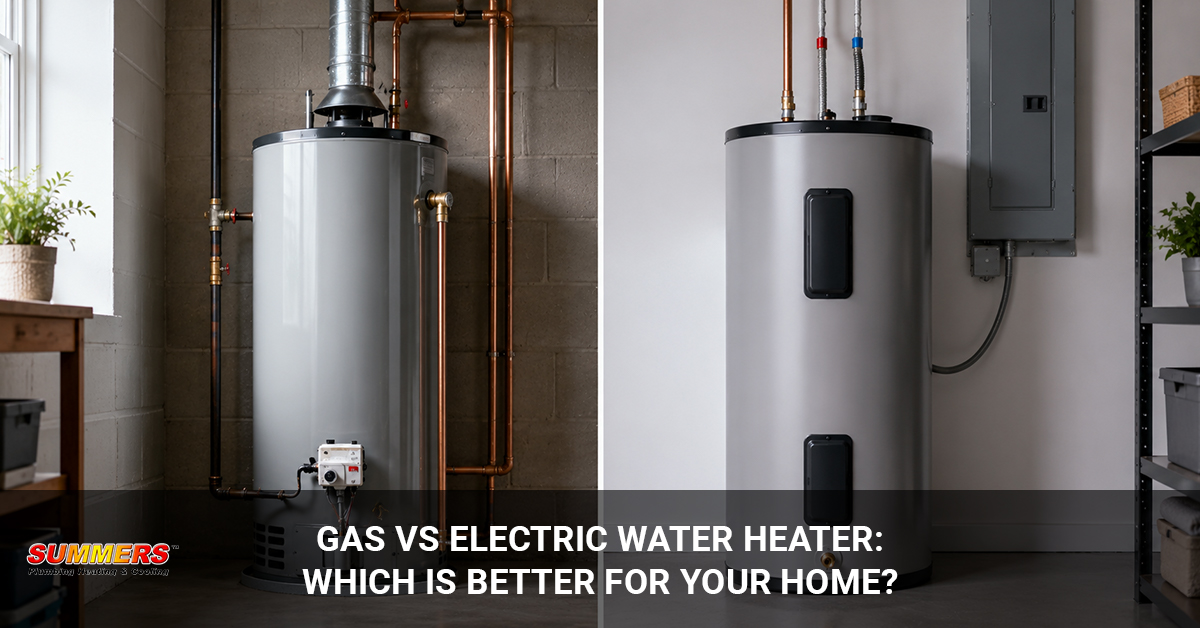
Choosing the right water heater can affect your energy bills, comfort, and daily routine. Many homeowners compare gas and electric water heaters when replacing an old unit or installing a new one.
Both options provide reliable hot water, but they work differently and come with different costs, efficiency levels, and maintenance needs. The best choice depends on your home, budget, and how much hot water your household uses.
Gas water heaters usually heat water faster, while electric models are often more energy efficient and easier to install. Each option has its own advantages depending on your needs.
This guide explains the key differences between gas and electric water heaters so you can choose the right system for your home.
What Is a Gas Water Heater?
A gas water heater uses natural gas or propane to heat water inside a storage tank. A burner under the tank heats the water quickly and keeps it ready for use.
These systems need a gas connection and proper venting to safely remove exhaust gases. Because they heat water faster, gas water heaters are common in larger homes and households with high hot water use.
They are often a good choice for families that use hot water frequently throughout the day.
What Is an Electric Water Heater?
An electric water heater uses electric heating elements to warm the water inside the tank. It runs entirely on electricity and does not need gas lines or ventilation.
These systems are common in homes without natural gas service. They are usually easier to install and have fewer safety concerns because there is no fuel combustion involved.
Electric water heaters also run quietly and often require less maintenance over time.
Gas vs Electric Water Heater: Key Differences
Gas and electric water heaters differ in how they heat water, installation needs, energy efficiency, and operating costs. Each option offers different benefits depending on your home and hot water usage.
Main differences include:
- Gas heaters use natural gas or propane
- Electric heaters use electrical heating elements
- Gas models usually heat water faster
- Electric units are typically easier to install
- Gas systems require proper ventilation
- Electric systems are often more energy efficient
The best choice depends on your household size, local energy costs, and your home setup.
Which Water Heater Is More Energy Efficient?
Electric water heaters are usually more energy efficient because most of the electricity they use goes directly into heating water. Very little energy is wasted during operation.
Gas water heaters heat water faster, but some heat is lost through the venting system. Even so, lower natural gas prices in some areas can help reduce operating costs.
If your main goal is energy efficiency, an electric water heater is often the better choice.
Installation Costs: Gas vs Electric Water Heaters
Electric water heaters usually cost less to install because they do not need gas lines or ventilation systems. Installation is often simpler, faster, and less expensive.
Gas water heaters can cost more upfront because they require venting and gas connections. Some homes may also need additional upgrades before installation.
While electric systems often have lower installation costs, long-term operating expenses should also be considered when choosing the best option.
Which Water Heater Costs Less to Operate?
Gas water heaters often cost less to operate in areas where natural gas is cheaper than electricity. Monthly energy costs depend on local utility rates and how much hot water your household uses.
Electric water heaters are usually more energy efficient, but electricity can cost more in some regions. This may lead to higher monthly operating costs.
Larger households that use a lot of hot water may save more with a gas water heater because it heats water faster and often has lower fuel costs.
Performance and Hot Water Recovery
Gas water heaters usually recover hot water faster than electric models. This means they can heat a fresh tank of water more quickly after hot water has been used.
Electric water heaters often take longer to recover, especially in larger households with heavy daily hot water use.
If several people use hot water throughout the day, a gas water heater may provide better overall performance and a more consistent hot water supply.
Maintenance Requirements
Both gas and electric water heaters need regular maintenance to work efficiently and last longer. Proper care helps prevent breakdowns and keeps the system running smoothly. Scheduling regular water heater maintenance services can also extend the system’s lifespan.
Common maintenance tasks include:
- Flushing the tank to remove sediment
- Inspecting connections and valves
- Checking heating components
- Scheduling professional inspections
Gas water heaters also need burner and venting inspections to ensure safe operation.
Safety Considerations
Gas and electric water heaters are both safe when installed correctly, but each type has different safety requirements. Proper installation is important for reliable and safe operation.
Gas water heaters need correct venting to prevent gas leaks and carbon monoxide problems. Electric water heaters do not have combustion risks, but they still require safe electrical connections.
Professional installation helps ensure your water heater meets safety standards and operates properly. Proper maintenance also helps prevent water damage caused by leaks or system failures.
Best Option for Different Types of Homes
The best water heater depends on your home size, available energy source, and daily hot water usage. Different households benefit from different systems.
Gas water heaters are often better for:
- Larger households
- Homes with high hot water demand
- Homes with natural gas service
Electric water heaters are often better for:
- Smaller homes or apartments
- Homes without gas service
- Homeowners focused on energy efficiency
Your daily hot water needs and utility costs should help guide the right choice for your home. Some homeowners also consider tankless water heater installation for higher efficiency and endless hot water.
Should You Replace Your Current Water Heater?
You should replace your current water heater if it no longer works efficiently or requires frequent repairs. Older systems often lose performance and use more energy over time.
Common signs you may need a replacement include:
- Rising energy bills
- Inconsistent hot water
- Frequent repairs
- Rust-colored water
- The water heater is over 10 years old
Replacing an outdated water heater can improve efficiency, reliability, and overall comfort in your home.
Professional Water Heater Installation Matters
Professional water heater installation ensures your system is installed safely and sized correctly for your home. Proper setup helps improve performance, efficiency, and long-term reliability.
A licensed technician can recommend the right water heater for your household, connect gas or electrical utilities properly, and make sure the installation meets local building codes.
Professional installation can also help protect your warranty and reduce the risk of future repair problems.
Final Thought
Gas water heaters are often better for larger households that need faster hot water recovery and higher daily hot water use. They can also cost less to operate in areas with lower natural gas prices.
Electric water heaters are usually a better choice for homeowners who want higher energy efficiency and simpler installation. They also work well in homes without gas service.
The best option depends on your home, budget, and hot water needs. A professional evaluation can help you choose the right water heater for long-term comfort, efficiency, and reliability.