

Water Filtration in Franklin, Indiana: Health Benefits Explained
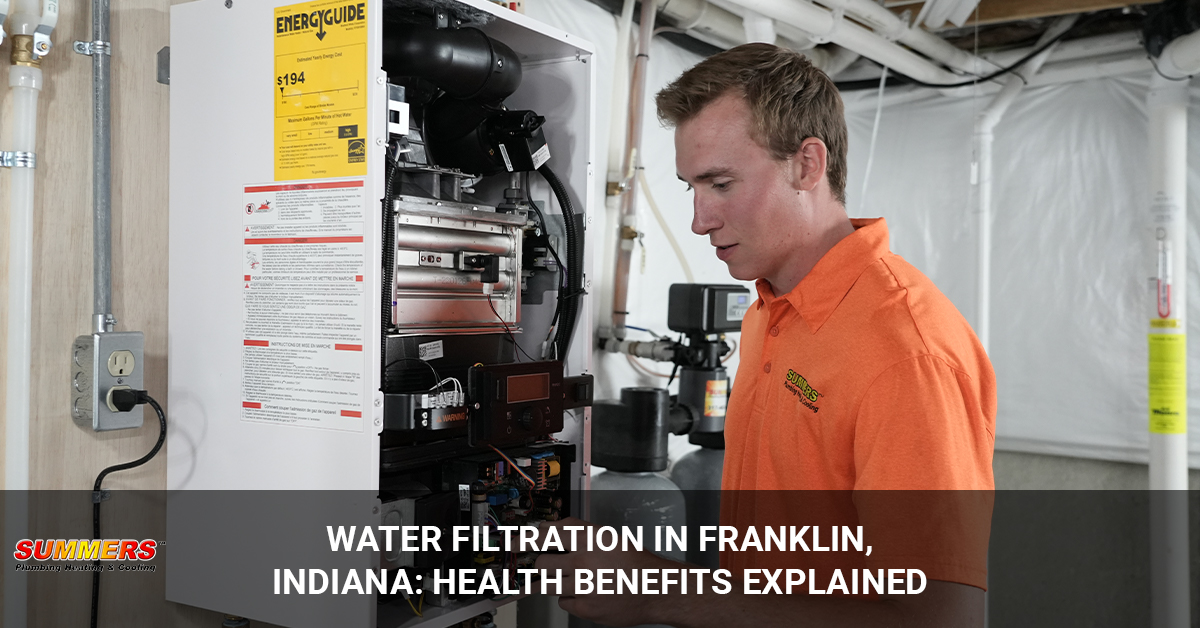
Water filtration in Franklin, Indiana, helps homeowners get cleaner and safer drinking water. A good filtration system removes impurities, reduces harmful contaminants, and improves the taste of tap water.
Most homes in Franklin receive water from a municipal supply. While this water is treated to meet safety standards, it can still contain chlorine, sediment, and small amounts of chemicals from the treatment process or aging pipes. These substances may affect both taste and overall water quality.
Installing a home water filtration system is a simple way to improve the water you use every day. Filtered water is better for drinking, cooking, and making beverages. Many homeowners also notice that clean water tastes fresher and smells better.
Water filtration can also support better health by reducing exposure to unwanted contaminants. With the right system, families can enjoy clearer, better-tasting water straight from the tap.
What Is Water Filtration and How Does It Work?
Water filtration is the process of removing impurities, chemicals, and unwanted particles from water to make it cleaner and safer to use. Filtration systems work by passing water through filters or membranes that trap contaminants before the water reaches your faucet.
These systems use different technologies to improve water quality. Each type of filter targets specific contaminants, such as chlorine, sediment, or heavy metals. Choosing the right system depends on the condition of your local water and your household’s needs.
Carbon Filtration
Carbon filtration removes chlorine, chemicals, and unpleasant odors from water. Activated carbon traps contaminants as water passes through the filter. This method is widely used in faucet filters, pitcher filters, and under-sink systems because it improves both taste and smell.
Reverse Osmosis
Reverse osmosis systems remove dissolved solids, heavy metals, and many other contaminants. The system pushes water through a semi-permeable membrane that blocks impurities while allowing clean water to pass through. Reverse osmosis is one of the most effective options for producing purified drinking water.
Whole House Filtration
Whole-house filtration systems clean water as it enters your home. This allows every faucet, shower, and appliance to receive filtered water. These systems are useful for removing sediment, chlorine, and other contaminants from the entire household water supply.
Each filtration system targets different water quality concerns. A professional water test can help determine which system will work best for your home.
Why Water Filtration Matters for Homes in Franklin, Indiana
Water filtration matters for homes in Franklin, Indiana, because it helps improve the quality, taste, and safety of everyday drinking water. Even though municipal water is treated to meet safety standards, it may still contain substances that affect how the water tastes or smells.
Several local factors can influence the quality of tap water in a home.
- Aging plumbing infrastructure: Older pipes can sometimes release small amounts of metals or sediment into the water as it travels through the plumbing system.
- Mineral content in groundwater: Groundwater in some areas naturally contains minerals such as calcium and magnesium. These minerals can affect the water taste and may cause scale buildup in appliances.
- Disinfection chemicals used during treatment: Water treatment plants commonly use chlorine or similar chemicals to kill bacteria. While effective for sanitation, these chemicals can leave a noticeable taste or odor in tap water.
- Sediment from pipes or water sources: Small particles such as sand, rust, or sediment may enter the water supply through aging pipes or natural sources.
Because of these factors, many homeowners install water filtration systems to improve water quality. A good filtration system helps remove unwanted substances and provides cleaner, better-tasting water for drinking, cooking, and daily use.
Mineral content in groundwater can affect water taste and may cause scale buildup in appliances. Over time, this can impact systems like your water heater installation in Franklin, reducing efficiency and performance.
Common Contaminants Found in Drinking Water
Drinking water can contain different types of contaminants depending on the water source, treatment process, and plumbing system. Even treated tap water may carry small amounts of substances that affect water quality, taste, or safety.
Lead and Heavy Metals
Lead and other heavy metals can enter drinking water through old pipes, plumbing fixtures, or corroded service lines. Even small amounts of these metals can be a concern, especially for children and pregnant women.
Chlorine and Chemical Byproducts
Chlorine is commonly used by municipal water systems to kill bacteria and keep water safe. However, it can leave a noticeable taste and smell. In some cases, chlorine can also form chemical byproducts during the disinfection process.
Sediment and Particles
Sediment such as rust, sand, and small particles can enter water through aging pipes or water distribution systems. These particles may make the water appear cloudy and can also affect the taste.
Bacteria and Microorganisms
Although treated water is generally safe, bacteria or microorganisms can sometimes enter the system through damaged pipes or contamination in the distribution network.
A properly installed water filtration system can reduce or remove many of these contaminants before the water reaches your tap, helping provide cleaner and better-tasting drinking water.
Key Health Benefits of Water Filtration
Water filtration improves health by removing contaminants and providing cleaner, better-tasting drinking water. When impurities are reduced, families can drink water more confidently and stay properly hydrated.
Reduces Exposure to Harmful Contaminants
Water filtration reduces exposure to harmful contaminants found in some tap water. Many filtration systems remove substances like chlorine, heavy metals, and certain chemicals that may affect water quality. Cleaner water helps lower the risk of long-term exposure to these unwanted materials.
Supports Digestive Health
Clean drinking water supports healthy digestion. When water is free from sediment, bacteria, and impurities, it is gentler on the stomach and less likely to cause digestive discomfort.
Encourages Better Hydration
Filtered water encourages people to drink more water throughout the day. When water tastes fresh and clean, it becomes easier to stay properly hydrated, which supports overall health.
Helps the Body Remove Toxins
Drinking clean water helps the body naturally remove waste through the kidneys and liver. Proper hydration supports these natural processes and helps maintain overall balance in the body.
Improves Taste and Smell
Water filtration improves the taste and smell of tap water. By removing chlorine, sediment, and other impurities, filtered water often tastes fresher and more pleasant for everyday use.
Types of Water Filtration Systems for Homes
Different water filtration systems are designed to solve different water quality problems. The best system for your home depends on the contaminants in your water and how much water your household uses.
Reverse Osmosis Systems
Reverse osmosis systems provide highly purified drinking water. These systems are usually installed under the kitchen sink and use a special membrane to remove dissolved solids, heavy metals, and other contaminants. Many homeowners choose reverse osmosis for clean, great-tasting drinking water.
Whole House Filtration Systems
Whole-house filtration systems clean water as it enters your home. This means every faucet, shower, and appliance receives filtered water. These systems are useful for removing sediment, chlorine, and other impurities from the entire water supply.
Under-Sink Filters
Under-sink filters improve the quality of drinking water at a single faucet. They are compact, affordable, and easy to install. Many homeowners use them to filter water used for drinking and cooking.
Carbon Filter Systems
Carbon filter systems remove chlorine, chemicals, and unpleasant tastes from water. Activated carbon traps contaminants as water passes through the filter, making the water taste cleaner and fresher.
Choosing the right system depends on your home’s water quality, filtration needs, and daily water usage. A professional water test can help determine the best option for your household.
Signs Your Home May Need a Water Filtration System
Your home may need a water filtration system if your tap water shows signs of poor quality. Changes in taste, appearance, or mineral buildup often indicate that impurities or minerals are present in the water.
Here are some common signs to watch for:
- Strange taste or odor in tap water: If your water tastes metallic, bitter, or smells like chlorine, it may contain chemicals or minerals that affect its quality.
- Cloudy or discolored water: Water that looks cloudy, yellow, or brown may contain sediment, rust, or other particles from pipes or the water supply.
- Mineral stains on sinks or appliances: White spots or stains on sinks, dishes, or appliances often indicate hard water with high mineral content.
- Scale buildup on faucets or kettles: Hard water minerals can leave scale deposits on faucets, coffee makers, and kettles over time.
- Concern about chemicals in drinking water: Some homeowners install filtration systems simply to reduce chlorine, sediment, or other chemicals in their drinking water.
If you notice any of these signs, a water filtration system can help improve water quality and provide cleaner, better-tasting water throughout your home. Scale buildup on faucets or kettles can indicate mineral-heavy water. In some cases, buildup can also affect your plumbing system, requiring professional drain cleaning services in Franklin to restore proper flow.
Choosing the Right Water Filtration System for Your Home
Choosing the right water filtration system starts with understanding your home’s water quality and daily water usage. The right system should remove the contaminants in your water while meeting your household’s needs.
Test Your Water Quality
Testing your water helps identify the specific contaminants present in your supply. A simple water test can reveal issues such as chlorine, sediment, minerals, or heavy metals. Knowing what is in your water makes it easier to select the most effective filtration system.
Consider Household Water Usage
Your household’s water usage also plays an important role. Larger families or homes that use a lot of water may benefit from a whole-house filtration system. Smaller households may only need a drinking water filter or an under-sink system.
Evaluate Maintenance Requirements
All filtration systems require maintenance to work properly. Filters must be replaced regularly to keep the system effective. Choosing a system with simple and affordable maintenance can make long-term use easier.
Consult a Plumbing Professional
A plumbing professional can evaluate your water supply and recommend the best filtration system for your home. Professional installation also ensures the system works correctly and provides reliable filtration for years to come.
Environmental and Cost Benefits of Water Filtration
Water filtration provides both environmental and financial benefits for homeowners. By filtering water at home, families can reduce waste, save money, and rely less on bottled water.
Reduces Bottled Water Use
Water filtration systems provide clean drinking water directly from the tap. This reduces the need to buy bottled water and makes it easier to access fresh water at any time.
Saves Money Over Time
Home filtration systems can save money in the long run. While installation may require an initial cost, it is often cheaper than regularly purchasing bottled water for the household.
Supports Sustainable Living
Using a filtration system helps reduce plastic waste from bottled water. Fewer plastic bottles means less environmental pollution and a more sustainable way to access clean drinking water.
When to Call a Professional for Water Filtration Installation
You should call a professional plumber for water filtration installation to ensure the system is installed correctly and works efficiently. Professional installation helps prevent leaks, improper connections, and performance issues.
A plumber can assist with several important steps:
- Water quality testing: A professional can test your water to identify contaminants and determine what type of filtration system your home needs.
- Selecting the right filtration system: Based on the test results, a plumber can recommend the most effective system for your household and water supply.
- Proper installation and plumbing connections: Correct installation ensures the system integrates safely with your plumbing and delivers consistent water flow.
- Filter maintenance and replacement: A professional can also help with regular maintenance, including replacing filters and checking the system to keep it working properly.
Professional guidance ensures your water filtration system performs reliably and provides clean, consistent water for your home.
Final Thoughts
Water filtration in Franklin, Indiana, helps homeowners improve the quality and safety of their drinking water. A reliable filtration system removes impurities, reduces unwanted chemicals, and improves the taste of tap water.
With cleaner water available at home, families can drink, cook, and prepare beverages with greater confidence. Many homeowners also notice better taste and fewer issues caused by sediment or minerals.
Choosing the right water filtration system can make a big difference in everyday water quality. With proper installation and regular maintenance, a filtration system can provide fresh, clean water for years while reducing the need for bottled water.