

Sewage Pump Installation in Franklin, Indiana: When to Replace
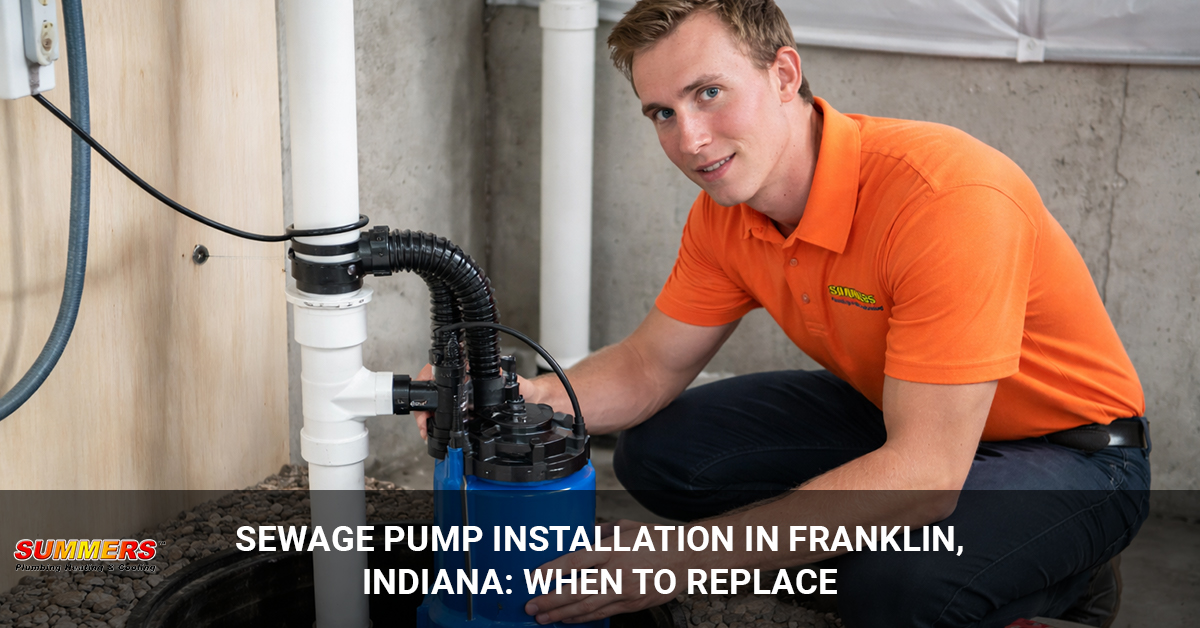
A sewage pump moves wastewater from lower areas of your home to the main sewer line. Homes in Franklin, Indiana, with basement bathrooms, laundry rooms, or other below-grade plumbing often rely on this system to keep wastewater flowing properly.
When the pump works well, you rarely notice it. But when it starts to fail, problems can appear quickly. You may notice slow drains, bad smells in the basement, or wastewater backing up into fixtures.
Replacing a failing sewage pump at the right time can prevent serious damage to your home. A worn or damaged pump cannot move waste efficiently, which increases the risk of sewage backups and plumbing issues.
If your system is getting older or showing warning signs, a professional sewage pump installation in Franklin, Indiana, can restore proper drainage and keep your plumbing system working safely.
What a Sewage Pump Does in Your Home
A sewage pump moves wastewater from lower areas of your home up to the main sewer line. Homes with basement plumbing cannot rely on gravity alone, so the pump pushes the wastewater upward so it can drain into the municipal sewer system.
This system is important for homes that have bathrooms, sinks, or laundry rooms located below the main sewer level. Without a sewage pump, wastewater could not flow properly and may back up into the home.
The pump pushes the wastewater upward so it can drain into the municipal sewer system. If there are issues with the main line, professional sewer line repair in Franklin may be needed to ensure proper drainage and prevent backups.
How Sewage Pumps Work
A sewage pump works by collecting wastewater in a sealed basin and pumping it to the main sewer line when the water level rises. Wastewater from basement toilets, sinks, showers, and washing machines flows into a sewage basin installed below the floor.
When the wastewater reaches a certain level, a float switch automatically turns the pump on. The pump then pushes the waste through a discharge pipe and into the home’s sewer line. Once the basin empties, the pump shuts off and waits until the next cycle.
This automatic process keeps wastewater moving safely out of the home.
Where Sewage Pumps Are Installed
Sewage pumps are installed in areas where plumbing fixtures sit below the main sewer line. These systems are commonly found in:
- Basement bathrooms
- Laundry rooms located below the sewer line
- Finished basements with sinks or showers
- Homes connected to septic systems
By moving wastewater upward into the sewer line, sewage pumps help prevent backups, protect the home from water damage, and keep the plumbing system working properly.
Average Lifespan of a Sewage Pump
A residential sewage pump usually lasts about 7 to 10 years. The exact lifespan depends on how often the pump runs, the quality of the equipment, and how well the system is maintained.
Some pumps last longer when they are properly installed and serviced regularly. However, heavy use or poor maintenance can shorten their lifespan.
Several factors affect how long a sewage pump will last:
- Frequency of use: Pumps that run more often wear out faster.
- Quality of the pump: Higher-quality pumps typically last longer.
- Proper installation: Correct installation helps prevent early damage.
- Regular maintenance: Routine inspections can keep the pump running efficiently.
- Type of waste entering the system: Grease, wipes, and debris can strain the pump.
Homes with basement bathrooms, laundry rooms, or multiple plumbing fixtures often place more demand on the pump. Because the system runs more frequently, parts may wear out sooner. Regular inspections can help homeowners in Franklin catch problems early and extend the life of their sewage pump.
Signs Your Sewage Pump Needs Replacement
A sewage pump usually shows clear warning signs before it fails completely. If you notice unusual sounds, slow drainage, or the pump not working properly, the system may be reaching the end of its lifespan.
Recognizing these signs early can help prevent sewage backups and costly damage to your home.
Pump Will Not Start
If the sewage pump does not turn on when the basin fills, the system may have a mechanical or electrical problem. The float switch, motor, or wiring could be damaged. When the pump cannot activate, wastewater will continue to collect in the basin and may eventually back up into your basement.
Strange Noises
Unusual noises often mean something inside the pump is damaged. Grinding, rattling, or loud humming sounds can happen when internal parts wear out or when debris gets stuck in the impeller. These noises usually indicate the pump is struggling and may need replacement.
Slow Drainage
Slow-draining sinks, toilets, or basement fixtures may indicate the sewage pump is losing efficiency. If the pump cannot move wastewater fast enough, drainage problems can start to appear throughout the lower level of the home.
Pump Runs Continuously
A sewage pump that never shuts off may have a stuck float switch or a pump that is too small for the system. Continuous operation puts extra stress on the motor and can lead to pump failure.
Sewage Odors
Strong sewage smells in the basement or near the pump basin can signal a drainage problem. When the pump is not working properly, wastewater may sit in the basin longer than it should, creating unpleasant odors.
If you notice any of these problems, it is often a sign that the sewage pump is wearing out. Replacing the pump early can help prevent sewage backups and keep your plumbing system working properly.
Common Causes of Sewage Pump Failure
Sewage pumps usually fail because of mechanical problems, clogs, electrical issues, or normal wear over time. Since the pump handles wastewater and debris every day, its parts can wear down or become blocked if the system is not maintained properly.
Understanding the common causes of failure can help homeowners prevent major plumbing problems. If grease, wipes, paper towels, or other debris enter the system, they can block the impeller. When buildup becomes severe, professional drain cleaning services in Franklin can help clear blockages and restore proper flow.
Float Switch Problems
A faulty float switch is one of the most common reasons a sewage pump stops working. The float switch turns the pump on when wastewater rises in the basin. If the switch gets stuck, tangled, or damaged, the pump may not turn on or off at the right time. This can cause the basin to overflow or the pump to run continuously.
Clogged Impeller
The impeller is the part of the pump that moves wastewater through the discharge pipe. If grease, wipes, paper towels, or other debris enter the system, they can block the impeller. When this happens, the pump cannot move wastewater efficiently and may eventually stop working.
Electrical Issues
Electrical problems can also cause sewage pump failure. A damaged power cord, faulty wiring, tripped breaker, or motor failure can prevent the pump from operating. In some cases, power surges or water exposure may damage the electrical components.
Aging Components
Over time, the internal parts of a sewage pump naturally wear out. Bearings, seals, and the motor can lose efficiency after years of use. As the pump ages, it may run less effectively and become more likely to fail. When this happens, replacing the pump is often the most reliable solution.
When to Replace Instead of Repairing a Sewage Pump
You should replace a sewage pump instead of repairing it when the system is old, frequently breaking down, or no longer working efficiently. While small repairs can sometimes fix minor issues, replacing the pump is often the safer and more reliable solution in certain situations.
The Pump Is Over 7–10 Years Old
A sewage pump that is more than 7 to 10 years old is usually nearing the end of its lifespan. Older pumps often lose efficiency and become more likely to fail. Replacing an aging pump before it stops working can help prevent unexpected sewage backups.
Frequent Repairs
If your sewage pump needs repairs often, replacement may be the better choice. Multiple service calls can quickly become expensive. Installing a new pump can provide better reliability and reduce long-term repair costs.
Reduced Performance
A pump that struggles to move wastewater properly may be wearing out or may no longer be suitable for your home’s needs. If drains are slow or the pump runs longer than usual, the system may not be working efficiently anymore.
Major Motor Damage
When the pump motor fails, replacing the entire unit is usually the most practical solution. Motor repairs can be costly, and installing a new pump often provides better performance and longer service life.
Benefits of Professional Sewage Pump Installation
Professional sewage pump installation ensures the system works safely and efficiently from the start. A properly installed pump can last longer, prevent drainage problems, and reduce the risk of sewage backups.
Hiring an experienced plumber also helps make sure the entire system is installed correctly and meets local plumbing standards.
Correct Pump Selection
A professional plumber selects the right sewage pump for your home. The pump must match the size of the basin, the number of fixtures, and the amount of wastewater the system handles. Choosing the correct pump helps the system run efficiently and prevents overworking the motor.
Safe Electrical Connections
Sewage pumps require safe and reliable electrical connections. A licensed professional installs the wiring, power supply, and safety components properly. This reduces the risk of electrical problems and helps the pump operate smoothly.
Proper Discharge Setup
The discharge pipe and check valve must be installed correctly for the pump to work properly. Professionals ensure wastewater flows in the right direction and does not flow back into the basin. Proper installation helps maintain steady drainage and protects the pump from unnecessary strain.
Compliance With Local Plumbing Codes
Professional installation helps ensure the system follows local plumbing codes in Franklin, Indiana. Licensed plumbers understand local regulations and install the system according to required standards, which helps protect your home and ensures safe operation.
The Sewage Pump Installation Process
Sewage pump installation involves inspecting the system, removing the old pump, installing the new unit, and testing the system to ensure it works properly. A professional plumber follows several steps to make sure the pump operates safely and moves wastewater efficiently.
Inspection of the Basin
The first step is inspecting the sewage basin. The plumber checks the basin size, depth, and condition to determine the correct pump type and capacity. This inspection helps ensure the new pump can handle the wastewater flow in your home.
Removing the Old Pump
Next, the plumber safely disconnects and removes the existing pump. The power supply is turned off, and the discharge pipe and fittings are carefully detached. The old pump is then lifted out of the basin and removed from the system.
Installing the New Pump
After removing the old unit, the new sewage pump is placed inside the basin. The plumber connects the pump to the discharge pipe and installs a check valve to prevent wastewater from flowing back into the basin. All connections are secured to ensure proper operation.
Testing the System
Finally, the plumber tests the system to make sure the pump activates and operates correctly. Water is added to the basin to trigger the float switch. This test confirms that the pump turns on, moves wastewater efficiently, and shuts off when the basin empties.
How to Extend the Life of Your Sewage Pump
You can extend the life of your sewage pump by performing regular maintenance and using the system properly. Simple habits and routine checks can reduce wear on the pump and help prevent unexpected failures.
Schedule Routine Inspections
Regular inspections help keep the sewage pump working efficiently. A professional plumber can check the pump, float switch, and discharge pipe to make sure everything is operating correctly. Annual inspections can also detect small issues before they turn into costly repairs.
Avoid Flushing Improper Materials
Only wastewater and toilet paper should enter the sewage pump system. Items such as wipes, grease, paper towels, and hygiene products can clog the pump and damage internal components. Avoiding these materials helps keep the system running smoothly.
Install a Backup System
A backup pump can protect your home during power outages or pump failure. Battery backup systems automatically activate when the main pump stops working. This extra protection can help prevent sewage backups in the basement.
Keep the Basin Clean
Keeping the sewage basin free of debris helps the pump operate efficiently. Over time, buildup inside the basin can interfere with the float switch and other components. Periodic cleaning helps maintain proper pump performance and extends the system’s lifespan.
Why Franklin Homeowners Should Replace Failing Pumps Quickly
Franklin homeowners should replace a failing sewage pump quickly to prevent sewage backups, property damage, and health risks. When the pump stops working properly, wastewater cannot move out of the basement, which can lead to serious plumbing problems.
Fixing the issue early helps protect your home and keeps the drainage system working safely.
Sewage Backups
A failed sewage pump can cause wastewater to back up into basement fixtures. Toilets, sinks, and floor drains may overflow if the pump cannot move waste to the main sewer line. This can quickly create a messy and stressful situation for homeowners.
Property Damage
Sewage backups can damage flooring, walls, furniture, and personal belongings. Water exposure may also weaken building materials and lead to costly repairs. Replacing a failing pump early can help avoid these problems.
Health Risks
Sewage water contains harmful bacteria and contaminants that can affect indoor air quality and health. Exposure to wastewater can create unsafe living conditions inside the home.
Taking action as soon as problems appear can prevent major damage and keep your home safe.
Sewage Pump Installation Services in Franklin, Indiana
Sewage pump installation services in Franklin, Indiana, help homeowners replace failing pumps and install reliable wastewater systems. Professional plumbers have the tools and experience to install the pump correctly and ensure the system works safely.
These services are important for homes with basement plumbing or fixtures located below the main sewer line.
Professional sewage pump services often include:
- Sewage pump replacement for old or damaged systems
- New sewage pump installation for homes, adding basement plumbing
- Basin and discharge system upgrades to improve drainage performance
- Emergency plumbing services for sudden pump failure or sewage backups
An experienced plumber can inspect your current system, recommend the right pump size, and complete the installation correctly. Proper installation helps the pump operate efficiently and reduces the risk of future plumbing problems.
Final Thoughts
A sewage pump is essential for homes with basement plumbing or fixtures located below the main sewer line. It helps move wastewater safely to the sewer system and keeps your home’s drainage working properly.
When the pump begins to wear out or show signs of failure, replacing it early can prevent sewage backups, water damage, and expensive repairs. Paying attention to warning signs such as strange noises, slow drainage, or frequent pump problems can help you take action before a major issue occurs.
Scheduling professional sewage pump installation in Franklin, Indiana, ensures the system is installed correctly and operates efficiently. With the right pump and proper maintenance, homeowners can keep their plumbing system reliable and protect their homes for many years.