

Allergies and Indoor Air Quality in Franklin, Indiana: How to Breathe Easier at Home
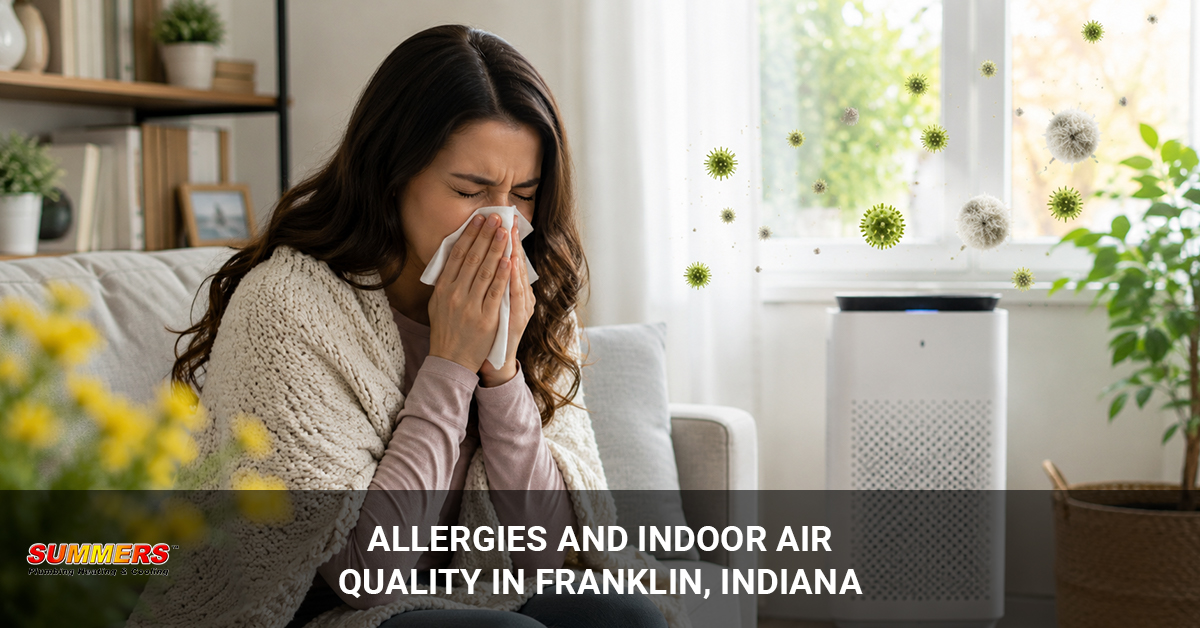
Poor indoor air quality can make allergy symptoms worse, even when you’re inside your home. Dust mites, pet dander, mold spores, and pollen often build up indoors and continue triggering sneezing, congestion, itchy eyes, and breathing problems long after you’ve come inside.
Many homeowners in Franklin, Indiana, focus on outdoor allergens during spring and fall, but indoor air can contain allergy triggers year-round. In fact, your HVAC system, air filter, humidity levels, and ventilation all play a major role in determining how clean the air inside your home really is.
If you wake up congested, notice more allergy symptoms indoors, or constantly battle dust in your home, poor indoor air quality could be part of the problem.
The good news is that improving indoor air quality is often straightforward. Simple steps such as upgrading your HVAC filter, controlling indoor humidity, maintaining your heating and cooling system, and using air purification solutions can significantly reduce airborne allergens.
In this guide, you’ll learn:
- How indoor air quality affects allergies
- The most common indoor allergens found in Franklin homes
- Signs your home’s air may be making symptoms worse
- How your HVAC system impacts air quality
- Practical ways to reduce allergens indoors
- When professional indoor air quality solutions may help
By understanding the connection between allergies and indoor air quality, you can create a healthier, more comfortable home and breathe easier throughout every season.
How Indoor Air Quality Affects Allergy Symptoms
Poor indoor air quality can make allergy symptoms more frequent and more severe. When allergens and pollutants build up inside your home, they continuously circulate through the air and can trigger reactions every time you breathe.
Indoor air quality (IAQ) refers to how clean and healthy the air inside your home is. If your indoor air contains high levels of dust, pollen, pet dander, mold spores, or other airborne contaminants, it can affect both your comfort and your health.
Common symptoms linked to poor indoor air quality include:
- Frequent sneezing
- Nasal congestion
- Runny nose
- Itchy or watery eyes
- Scratchy throat
- Persistent coughing
- Increased asthma symptoms
- Trouble sleeping
Many Franklin homeowners assume their allergies are caused only by outdoor pollen. However, indoor air can sometimes be more polluted than outdoor air. Modern homes are built to be tightly sealed for energy efficiency, which can trap allergens indoors and allow them to circulate throughout the home for longer periods.
How Does Indoor Air Quality Affect Allergies?
Indoor air quality affects allergies by increasing your exposure to airborne allergens such as pollen, dust mites, pet dander, and mold spores. When these particles accumulate inside your home, they can irritate your respiratory system and trigger allergy symptoms day after day.
Your HVAC system can also play a role. If filters are dirty, ductwork contains dust buildup, or humidity levels are too high, allergens can spread more easily throughout the house. As a result, you may continue experiencing symptoms even when you’re indoors.
Improving indoor air quality helps reduce the number of allergens circulating in your home, making it easier to breathe and helping allergy sufferers feel more comfortable year-round.
Common Indoor Allergens Found in Franklin Homes
The most common indoor allergens found in Franklin homes include pollen, dust mites, pet dander, mold spores, and airborne pollutants. These allergens can build up inside your home and trigger symptoms such as sneezing, congestion, itchy eyes, coughing, and breathing difficulties throughout the year.
Understanding where these allergens come from is the first step toward improving your home’s indoor air quality.
Pollen
Pollen is one of the most common allergy triggers in Franklin, especially during the spring, summer, and fall. While many people think pollen stays outdoors, it often finds its way inside and continues affecting allergy sufferers long after they’ve come indoors.
Pollen commonly enters homes through:
- Open windows and doors
- Clothing and shoes
- Pets’ fur
- HVAC systems
- Small air leaks around windows and doors
Once inside, pollen settles on carpets, furniture, bedding, and curtains. Every time these surfaces are disturbed, pollen can become airborne again and continue triggering allergy symptoms.
Dust Mites
Dust mites are tiny microscopic pests that thrive in warm, humid environments. They feed on dead skin cells and are one of the leading causes of indoor allergies.
Dust mites are commonly found in:
- Mattresses
- Pillows
- Bedding
- Upholstered furniture
- Carpets and rugs
- Curtains
Because they are too small to see, many homeowners don’t realize they’re present. However, dust mite waste particles can easily become airborne and trigger allergic reactions.
Pet Dander
Pet dander is made up of tiny skin flakes shed by cats, dogs, and other animals. These particles are lightweight and can remain suspended in the air for long periods.
Pet dander often accumulates on:
- Furniture
- Carpets
- Bedding
- Curtains
- HVAC filters and ductwork
Even homes that are cleaned regularly can experience high levels of pet allergens, especially when pets spend most of their time indoors.
Mold and Mildew
Mold spores can significantly impact indoor air quality and worsen allergy symptoms. Franklin’s humid weather conditions can create an ideal environment for mold growth, particularly in areas with excess moisture.
Common locations for mold growth include:
- Basements
- Crawl spaces
- Bathrooms
- Laundry rooms
- Around leaking pipes
- HVAC systems
- Attics
Mold spores can spread through the air and cause symptoms such as congestion, coughing, throat irritation, and respiratory discomfort.
Indoor Air Pollutants
Not all indoor air quality problems come from allergens. Many homes also contain airborne pollutants that can irritate the respiratory system and make allergy symptoms feel worse.
Common indoor pollutants include:
- Household cleaning products
- Paints and solvents
- Air fresheners
- Tobacco smoke
- Cooking fumes
- Building materials
- Volatile organic compounds (VOCs)
These contaminants can affect anyone in the home but may be especially problematic for people with allergies, asthma, or other respiratory conditions.
By identifying and reducing these common indoor allergens, Franklin homeowners can create a healthier indoor environment and experience fewer allergy-related symptoms throughout the year.
Why Allergy Season Can Feel Worse Indoors
Allergy symptoms can feel worse indoors because allergens often become trapped inside your home and continue circulating through the air. While going indoors reduces your exposure to outdoor pollen, it doesn’t eliminate the allergens that have already entered your home.
Many Franklin homeowners are surprised to learn that their homes can become a collection point for pollen, dust, pet dander, and other airborne particles. Without proper filtration, ventilation, and humidity control, these allergens can build up and trigger symptoms day after day.
Pollen Becomes Trapped Inside
Pollen doesn’t stay outdoors. Every time you open a door or window, walk inside, or let pets in from outside, pollen can enter your home.
Once inside, it settles on:
- Carpets and rugs
- Upholstered furniture
- Bedding
- Curtains
- Clothing
- Floors
Even after outdoor pollen levels drop, pollen trapped inside your home can continue causing sneezing, congestion, and itchy eyes. Regular cleaning and effective HVAC filtration help reduce indoor pollen buildup.
Poor Ventilation Reduces Fresh Air Exchange
Poor ventilation allows allergens and pollutants to accumulate inside your home. When fresh outdoor air isn’t properly exchanged with indoor air, contaminants remain trapped and continue circulating.
Many modern homes are built to be energy efficient, which helps lower utility bills but can also limit natural airflow. Without adequate ventilation, dust, pet dander, cooking pollutants, and other airborne particles can become more concentrated indoors.
Proper ventilation helps remove stale air and supports healthier indoor air quality.
Humidity Encourages Mold Growth
High indoor humidity creates the perfect environment for mold, mildew, and dust mites. These common allergy triggers thrive in damp conditions and can quickly affect indoor air quality.
Excess moisture often develops in:
- Bathrooms
- Basements
- Crawl spaces
- Laundry rooms
- Areas with water leaks
Experts generally recommend maintaining indoor humidity levels between 30% and 50% to help control mold growth and reduce allergen levels.
Dirty HVAC Filters Spread Allergens
A dirty HVAC filter can reduce your system’s ability to capture airborne allergens. Instead of trapping particles, a clogged filter may allow dust, pollen, and pet dander to continue circulating throughout your home.
When filters become overloaded, your HVAC system must work harder to move air, which can also reduce efficiency and indoor comfort.
Replacing HVAC filters regularly helps:
- Capture airborne allergens
- Improve airflow
- Support better indoor air quality
- Reduce strain on your heating and cooling system
If your allergies seem worse indoors, checking and replacing your HVAC filter is often one of the easiest and most effective first steps.
Signs Your Home’s Indoor Air Quality May Be Causing Allergy Symptoms
Persistent allergy symptoms indoors are often a sign that your home’s indoor air quality may be contributing to the problem. If you continue experiencing allergy-like symptoms even when you’re inside, airborne allergens and pollutants could be circulating throughout your living space.
Many homeowners in Franklin assume seasonal pollen is the only cause of their discomfort. However, indoor allergens such as dust mites, pet dander, mold spores, and poor HVAC filtration can trigger symptoms year-round.
Here are some common signs that poor indoor air quality may be affecting your health.
Frequent Sneezing Indoors
Frequent sneezing at home can indicate that allergens are present in your indoor air. If you notice that you’re sneezing more often indoors than outdoors, dust, pollen, pet dander, or mold spores may be circulating through your home.
This is especially common in homes with dirty air filters, excessive dust buildup, or inadequate ventilation.
Runny or Congested Nose
A runny or stuffy nose that doesn’t improve after allergy season may point to an indoor air quality issue. Constant exposure to indoor allergens can keep your nasal passages irritated and inflamed.
If congestion seems worse in certain rooms or when you’re at home for extended periods, indoor allergens could be the cause.
Itchy Eyes and Throat
Itchy eyes, throat irritation, and watery eyes are common symptoms of poor indoor air quality. Airborne particles such as dust, pollen, mold spores, and pet dander can irritate sensitive tissues and trigger allergic reactions.
If these symptoms occur regularly indoors, it’s worth evaluating your home’s air quality and filtration system.
Increased Asthma Symptoms
Poor indoor air quality can make asthma symptoms worse. Airborne allergens and pollutants may trigger coughing, wheezing, chest tightness, or shortness of breath.
For individuals with asthma, maintaining clean indoor air is essential for reducing flare-ups and improving overall comfort.
Symptoms Improve When You Leave Home
One of the clearest signs of an indoor air quality problem is when symptoms improve after leaving your home. If you feel better at work, school, outdoors, or while traveling, allergens inside your home may be triggering your symptoms.
This often indicates issues such as:
- Poor HVAC filtration
- Dust accumulation
- Mold growth
- Excess humidity
- Pet dander buildup
- Inadequate ventilation
If several of these signs sound familiar, a professional indoor air quality assessment can help identify the source of the problem and recommend solutions to create a healthier living environment.
How Your HVAC System Impacts Indoor Air Quality
Your HVAC system has a direct impact on your home’s indoor air quality because it continuously filters, circulates, and distributes air throughout the house. When the system is properly maintained, it helps remove allergens and airborne contaminants. When neglected, it can contribute to poor air quality and worsen allergy symptoms.
Many homeowners think of their HVAC system as simply heating and cooling equipment. In reality, it is one of the most important tools for maintaining clean, healthy indoor air.
Air Filters and Allergen Removal
Your HVAC air filter is the first line of defense against airborne allergens. As air moves through your system, the filter captures particles before they can circulate throughout your home.
A quality air filter can help remove:
- Dust
- Pollen
- Pet dander
- Mold spores
- Lint and debris
- Other airborne contaminants
The effectiveness of an HVAC filter is measured by its MERV (Minimum Efficiency Reporting Value) rating. Higher MERV-rated filters can capture smaller particles, which can be beneficial for allergy sufferers. However, it’s important to choose a filter that is compatible with your HVAC system to maintain proper airflow and efficiency.
Importance of Regular HVAC Maintenance
Regular HVAC maintenance helps keep your system clean, efficient, and effective at improving indoor air quality. A well-maintained system is better equipped to filter allergens and maintain healthy airflow throughout your home.
During a professional maintenance visit, technicians typically:
- Inspect and replace filters if needed
- Clean critical system components
- Check airflow performance
- Inspect ductwork
- Look for moisture issues
- Verify proper ventilation
Routine maintenance not only supports cleaner air but also helps extend the lifespan of your HVAC equipment.
Ductwork and Allergen Accumulation
Your ductwork can collect dust, debris, and allergens over time. As air moves through the system, these particles may be distributed throughout your home.
Damaged or leaky ducts can create additional problems by allowing contaminants from attics, crawl spaces, garages, or basements to enter your air supply.
Signs your ductwork may be affecting indoor air quality include:
- Excessive dust buildup
- Uneven airflow
- Musty odors
- Increased allergy symptoms indoors
If these issues are present, a professional duct inspection can help identify the source of the problem.
Ventilation and Air Circulation
Proper ventilation is essential for maintaining healthy indoor air quality. Your HVAC system helps move stale indoor air and supports the circulation of cleaner, conditioned air throughout the home.
Without adequate ventilation, pollutants can become trapped indoors, including:
- Dust particles
- Pet dander
- Cooking fumes
- Household chemical vapors
- Excess moisture
Good airflow helps prevent these contaminants from accumulating and improves overall comfort.
Why Professional Inspections Matter
Many indoor air quality issues develop gradually and may not be visible to homeowners. A professional HVAC inspection can uncover hidden problems that impact both air quality and system performance.
HVAC technicians can identify issues such as:
- Mold growth inside the system
- Restricted airflow
- Excess humidity
- Inefficient filtration
- Leaky ductwork
- Poor ventilation
Addressing these problems early can help reduce allergens, improve comfort, lower energy costs, and create a healthier indoor environment for your family.
For many Franklin homeowners, maintaining the HVAC system is one of the most effective ways to improve indoor air quality and reduce allergy symptoms year-round.
Best Ways to Improve Indoor Air Quality in Franklin Homes
The best ways to improve indoor air quality are upgrading your HVAC filtration, controlling humidity, maintaining your HVAC system, reducing indoor allergens, and improving air purification. These simple steps can significantly reduce allergy triggers and help create a healthier home environment.
The good news is that most indoor air quality improvements don’t require major renovations. Small changes and routine maintenance can have a noticeable impact on the air you breathe every day.
Upgrade to High-Quality HVAC Filters
Upgrading your HVAC filter is one of the easiest and most effective ways to improve indoor air quality. A higher-quality filter captures more airborne particles before they circulate throughout your home.
For allergy sufferers, filters with MERV ratings between 8 and 13 are often recommended because they can effectively trap:
- Dust
- Pollen
- Pet dander
- Mold spores
- Other common allergens
Before installing a higher-rated filter, consult an HVAC professional to make sure your system can handle the increased filtration without restricting airflow.
Change Filters Regularly
Regular filter replacement is essential for maintaining clean indoor air. Even the best HVAC filter becomes less effective once it fills with dust and debris.
Most homeowners should replace their filters:
- Every 1–3 months under normal conditions
- More often, if pets are present
- More often during peak allergy seasons
- More often, if someone in the home has allergies or asthma
A clean filter helps your HVAC system operate efficiently while continuously removing airborne contaminants.
Schedule Routine HVAC Maintenance
Routine HVAC maintenance improves both system performance and indoor air quality. During a professional tune-up, technicians inspect, clean, and optimize your system to ensure it operates properly.
Regular maintenance can help:
- Improve airflow
- Reduce dust circulation
- Identify filtration issues
- Prevent moisture problems
- Extend equipment life
Annual maintenance is one of the most effective ways to keep your HVAC system supporting healthy indoor air year-round.
Keep Indoor Humidity Between 30% and 50%
Maintaining indoor humidity between 30% and 50% helps prevent conditions that allow allergens to thrive. Excess moisture encourages mold growth and increases dust mite populations, while overly dry air can irritate your respiratory system.
Proper humidity control can help reduce:
- Mold growth
- Dust mites
- Musty odors
- Respiratory irritation
Whole-home humidifiers and dehumidifiers can help maintain balanced humidity levels throughout the year.
Use Whole-Home Air Purification Systems
Whole-home air purification systems provide an additional layer of protection against airborne contaminants. These systems work alongside your HVAC equipment to remove particles that standard filters may miss.
Depending on the technology used, air purification systems may help reduce:
- Pollen
- Dust
- Pet dander
- Mold spores
- Bacteria
- Certain airborne viruses
For homeowners with severe allergies, asthma, or respiratory sensitivities, air purification systems can make a noticeable difference in indoor comfort.
Clean Air Ducts When Necessary
Air duct cleaning can improve indoor air quality when contamination is present inside the ductwork. However, duct cleaning is not necessary for every home.
It may be beneficial if:
- Excessive dust is coming from vents
- Mold growth is suspected
- Recent renovations created construction debris
- Rodents or pests have entered the duct system
- Allergy symptoms have increased without an obvious cause
A professional inspection can determine whether duct cleaning is needed.
Seal Air Leaks Around Doors and Windows
Air leaks allow outdoor allergens to enter your home and can make it harder for your HVAC system to maintain consistent indoor conditions.
Common areas where air leaks occur include:
- Windows
- Exterior doors
- Utility penetrations
- Attic access points
- Foundation openings
Sealing these gaps can help reduce pollen infiltration, improve energy efficiency, and support better indoor air quality.
Reduce Indoor Dust and Pet Dander
Regular cleaning plays a major role in controlling allergens inside your home. Dust and pet dander can quickly accumulate on surfaces, furniture, and flooring if left unmanaged.
Simple habits that can help include:
- Vacuuming with a HEPA-filter vacuum
- Washing bedding weekly
- Dusting surfaces frequently
- Grooming pets regularly
- Using allergen-resistant mattress and pillow covers
- Cleaning upholstered furniture
When combined with proper HVAC maintenance and filtration, these habits can significantly reduce allergen levels and help allergy sufferers breathe easier throughout the year.
By focusing on these indoor air quality improvements, Franklin homeowners can reduce common allergy triggers, improve comfort, and create a healthier living environment for their families.
Air Purifiers vs. HVAC Filters: Which Works Better for Allergies?
Both air purifiers and HVAC filters help reduce allergens, but they work in different ways. For most allergy sufferers, the best solution is not choosing one over the other—it’s using both together.
HVAC filters provide whole-home filtration by capturing allergens as air moves through your heating and cooling system. Air purifiers focus on removing airborne particles within a specific room or area. When combined, they create a more effective defense against common allergy triggers such as pollen, dust, pet dander, and mold spores.
Benefits of Air Purifiers
Air purifiers are designed to remove airborne contaminants directly from the air in a room. They continuously pull air through specialized filters and return cleaner air back into the space.
Air purifiers can help:
- Capture fine airborne particles
- Reduce pet dander
- Lower indoor pollen levels
- Remove certain odors
- Improve air quality in bedrooms and living areas
- Reduce exposure to airborne allergens
HEPA air purifiers are especially popular for allergy sufferers because they can capture extremely small particles that may otherwise remain suspended in the air. Homeowners looking for advanced filtration may also benefit from learning how whole-home HEPA filters work alongside HVAC systems.
Air purifiers are often most effective in rooms where family members spend the most time, such as bedrooms, living rooms, and home offices.
Benefits of HVAC Filters
HVAC filters improve indoor air quality by filtering air as it circulates through your heating and cooling system. Unlike portable air purifiers, HVAC filters help protect the entire home.
Benefits of HVAC filters include:
- Whole-home allergen control
- Continuous filtration during system operation
- Lower upfront costs
- Simple maintenance
- Improved HVAC system protection
- Reduced dust circulation
A high-quality HVAC filter serves as the foundation of a healthy indoor air quality strategy. Without proper filtration, allergens can continue circulating throughout your home every time the HVAC system runs.
Why Many Homes Benefit From Both
For homeowners with moderate to severe allergies, using both an HVAC filter and an air purifier often delivers the best results.
The HVAC filter captures allergens as air moves through the ductwork, helping reduce contaminants throughout the entire house. An air purifier provides an extra layer of protection by removing airborne particles that remain in frequently used rooms.
Together, they can help reduce:
- Pollen
- Dust
- Pet dander
- Mold spores
- Other airborne irritants
This combination is especially beneficial for households with pets, asthma sufferers, or family members with year-round allergies.
Air Purifier vs. HVAC Filter Comparison
| Feature | Air Purifier | HVAC Filter |
| Whole-home coverage | Limited unless connected to HVAC system | Yes |
| Removes airborne allergens | Yes | Yes |
| Targets specific rooms | Yes | No |
| Initial cost | Higher | Lower |
| Ongoing maintenance | Moderate | Low |
| Improves indoor air quality | Yes | Yes |
| Works independently of HVAC system | Yes | No |
| Best for allergy hotspots | Yes | Limited |
Which Option Is Best for Allergy Sufferers?
If you’re looking for the most effective allergy relief, start with a high-quality HVAC filter and regular HVAC maintenance. These provide whole-home protection and improve overall indoor air quality.
If allergy symptoms persist, adding a HEPA air purifier can provide additional relief by targeting airborne particles in the rooms where you spend the most time.
For many Franklin homeowners, the combination of proper HVAC filtration and air purification offers the most effective solution for reducing indoor allergens and creating a healthier home environment.
Indoor Air Quality Solutions for Franklin Allergy Sufferers
Advanced indoor air quality solutions can help reduce allergens, improve air cleanliness, and provide relief when regular cleaning and filter changes aren’t enough. If you continue experiencing allergy symptoms at home, upgrading your indoor air quality equipment may make a noticeable difference.
The right solution depends on your home’s specific needs, the severity of your allergies, and the sources of indoor air pollution.
Whole-Home Air Purifiers
Whole-home air purifiers are one of the most effective ways to improve indoor air quality throughout your entire house. These systems connect directly to your HVAC system and clean the air as it circulates through your ductwork.
Whole-home air purifiers can help reduce:
- Dust
- Pollen
- Pet dander
- Mold spores
- Airborne contaminants
- Other allergy-triggering particles
Unlike portable units that only treat a single room, whole-home systems provide continuous filtration and protection throughout every area of your home.
For homeowners who suffer from year-round allergies, a whole-home air purifier can significantly reduce airborne allergens and improve overall comfort.
UV Air Purification Systems
UV air purification systems use ultraviolet light to help control biological contaminants within your HVAC system. These systems are commonly installed near evaporator coils, where moisture can create conditions that support mold and microbial growth.
Benefits of UV air purification may include:
- Cleaner indoor air
- Reduced mold growth inside HVAC equipment
- Improved system cleanliness
- Better HVAC performance
While UV systems don’t replace traditional air filtration, they can be an effective addition to a comprehensive indoor air quality strategy. Understanding the differences between UV air purification and HEPA filtration can help homeowners choose the best solution for allergy relief.
Humidity Control Systems
Proper humidity control is essential for maintaining healthy indoor air. High humidity encourages mold growth and dust mite activity, while excessively dry air can irritate your eyes, nose, throat, and skin.
Whole-home humidity control systems help maintain balanced moisture levels throughout the year.
These systems can help reduce:
- Mold growth
- Dust mite populations
- Dry air irritation
- Static electricity
- Indoor comfort issues
In Franklin, homeowners often benefit from dehumidification during humid summers and humidification during dry winter months.
Advanced Filtration Systems
Advanced filtration systems provide a higher level of protection than standard HVAC filters. These systems are designed to capture smaller airborne particles that can contribute to allergy symptoms and respiratory irritation.
Advanced filtration may be especially beneficial for:
- Allergy sufferers
- Asthma patients
- Homes with pets
- Families with young children
- Households with multiple occupants
By removing more airborne contaminants, these systems can help create a cleaner and healthier indoor environment.
Smart Indoor Air Quality Monitoring
You can’t improve what you can’t measure. Smart indoor air quality monitors provide real-time information about the air inside your home, helping you identify problems before they become serious.
Many monitoring systems track:
- Humidity levels
- Airborne particle levels
- Volatile organic compounds (VOCs)
- Indoor temperature
- Ventilation performance
These systems can alert homeowners when indoor conditions fall outside healthy ranges, making it easier to take corrective action quickly.
Choosing the Right Indoor Air Quality Solution
The best indoor air quality solution depends on the specific challenges affecting your home. Some homeowners may only need improved filtration, while others benefit from a combination of air purification, humidity control, and advanced monitoring.
A professional indoor air quality assessment can help identify the source of allergy triggers and determine which solutions will provide the greatest improvement.
For many Franklin homeowners, investing in indoor air quality upgrades leads to fewer allergy symptoms, better sleep, improved comfort, and a healthier home throughout every season.
When to Call an HVAC Professional
You should call an HVAC professional when allergy symptoms persist, indoor air quality problems continue, or your HVAC system shows signs of poor performance. While changing filters and cleaning your home can help, some air quality issues require expert diagnosis and specialized solutions.
A professional inspection can identify hidden problems that may be affecting both your comfort and your health.
Persistent Allergy Symptoms
If allergy symptoms continue despite regular cleaning and filter changes, your home’s air quality may have underlying issues that aren’t immediately visible.
An HVAC professional can inspect your system for problems such as:
- Inadequate filtration
- Hidden mold growth
- Poor ventilation
- Excess humidity
- Contaminated ductwork
Identifying the source of the problem is often the first step toward long-term allergy relief.
Excessive Dust Buildup
Dust should not reappear immediately after cleaning. If you constantly notice dust collecting on furniture, vents, or surfaces, your HVAC system may not be filtering air properly.
Excessive dust can be caused by:
- Dirty or low-quality air filters
- Leaky ductwork
- Poor airflow
- Dirty HVAC components
A professional inspection can determine whether your system is contributing to the problem and recommend appropriate solutions.
Mold Concerns
Visible mold, musty odors, or recurring moisture issues should never be ignored. Mold spores can spread through your home’s air and worsen allergy symptoms, respiratory issues, and indoor air quality problems.
Contact an HVAC professional if you notice:
- Mold around vents or HVAC equipment
- Persistent musty smells
- Condensation issues
- Water leaks near HVAC components
Addressing mold-related problems early can help prevent more extensive damage and improve the quality of the air you breathe.
Poor Airflow Throughout the Home
Weak airflow or uneven temperatures often indicate HVAC issues that can affect indoor air quality. Rooms that feel stuffy, humid, or difficult to heat and cool may not be receiving adequate airflow.
Common causes include:
- Blocked air filters
- Duct leaks
- Dirty system components
- Failing blower motors
- Improper system sizing
Improving airflow not only enhances comfort but also helps your HVAC system filter and circulate air more effectively.
Aging HVAC Equipment
Older HVAC systems may struggle to provide the level of filtration and air quality control available in newer equipment. As systems age, efficiency decreases and components may no longer perform as intended.
Upgrading older equipment can provide benefits such as:
- Improved air filtration
- Better humidity control
- Enhanced ventilation
- Increased energy efficiency
- More consistent indoor comfort
If your system is approaching the end of its lifespan, an HVAC professional can help determine whether repair or replacement is the best option.
Don’t Ignore Indoor Air Quality Problems
If you notice ongoing allergy symptoms, excessive dust, mold concerns, or poor HVAC performance, scheduling a professional inspection can help uncover the root cause. Early intervention often prevents larger problems, improves indoor air quality, and creates a healthier, more comfortable home for your family.
For many Franklin homeowners, professional HVAC services are one of the most effective ways to reduce indoor allergens and maintain clean, healthy air year-round.
Frequently Asked Questions
Can poor indoor air quality cause allergy symptoms year-round?
Yes, poor indoor air quality can cause allergy symptoms throughout the year. Indoor allergens such as dust mites, pet dander, mold spores, and airborne pollutants remain inside your home regardless of the season. If these allergens are not properly controlled, they can trigger ongoing symptoms such as sneezing, congestion, itchy eyes, and coughing even when outdoor pollen levels are low.
What MERV rating is best for allergies?
For most allergy sufferers, HVAC filters with a MERV rating between 8 and 13 provide the best balance between filtration and airflow. These filters can capture common allergens such as pollen, dust, mold spores, and pet dander without putting excessive strain on most residential HVAC systems. Before upgrading, it’s a good idea to confirm that your system can accommodate a higher-rated filter.
How often should HVAC filters be replaced?
Most HVAC filters should be replaced every one to three months. However, replacement frequency depends on factors such as pet ownership, allergy concerns, indoor air quality conditions, and how often the HVAC system runs. Homes with pets, allergy sufferers, or heavy HVAC usage often benefit from more frequent filter changes.
Do air purifiers really help with allergies?
Yes, air purifiers can help reduce allergy symptoms by removing airborne particles from your indoor air. High-quality air purifiers, especially those with HEPA filtration, can capture pollen, dust, pet dander, and other allergens before they are inhaled. They are most effective when combined with proper HVAC filtration and regular system maintenance.
Can mold in my HVAC system make allergies worse?
Yes, mold growth inside your HVAC system can worsen allergy symptoms and negatively impact indoor air quality. As air moves through the system, mold spores can spread throughout your home and trigger symptoms such as congestion, coughing, throat irritation, and respiratory discomfort. Professional inspection and remediation may be necessary if mold is suspected.
How can I improve indoor air quality naturally?
You can improve indoor air quality naturally by reducing allergen buildup and improving airflow throughout your home. Effective strategies include:
- Vacuuming and dusting regularly
- Washing bedding weekly
- Controlling indoor humidity levels
- Replacing HVAC filters on schedule
- Keeping windows closed during high-pollen days
- Improving ventilation when weather permits
- Grooming pets regularly
- Reducing indoor clutter that collects dust
These simple habits can help lower allergen levels and create a healthier indoor environment.
Is professional duct cleaning worth it for allergy sufferers?
Professional duct cleaning can be beneficial when there is evidence of excessive dust, mold growth, pest contamination, or construction debris inside the ductwork. While not every home requires duct cleaning, it may help improve indoor air quality when contamination is present. A professional HVAC inspection can determine whether duct cleaning is necessary and beneficial for your specific situation.
Final Thoughts
Improving indoor air quality is one of the most effective ways to reduce allergy symptoms and create a healthier home. While outdoor pollen often gets the blame, many of the allergens that trigger sneezing, congestion, itchy eyes, and breathing problems are found inside the home.
Dust mites, pet dander, mold spores, and airborne pollutants can build up over time and continue circulating through your living spaces. Without proper filtration, ventilation, and humidity control, these allergens can affect your comfort year-round.
The good news is that many indoor air quality problems can be improved with simple steps such as replacing HVAC filters regularly, scheduling routine maintenance, controlling indoor humidity, and investing in air purification solutions when needed.
By taking a proactive approach, Franklin homeowners can enjoy cleaner air, fewer allergy triggers, better sleep, and a more comfortable living environment throughout every season.
Breathe Easier With Professional Indoor Air Quality Solutions
If allergy symptoms persist despite your best efforts, professional indoor air quality services can help identify the root cause and recommend the right solution for your home.
Whether you need advanced air filtration, a whole-home air purifier, humidity control, ductwork improvements, or a complete indoor air quality assessment, an experienced HVAC professional can help you create a healthier indoor environment.
Don’t let poor indoor air quality affect your family’s comfort. Schedule an indoor air quality assessment today and discover how cleaner air can help you breathe easier, feel better, and enjoy a healthier home in Franklin, Indiana.