


Handling Basement Flooding in Brownsburg: Essential Tips and Guidance
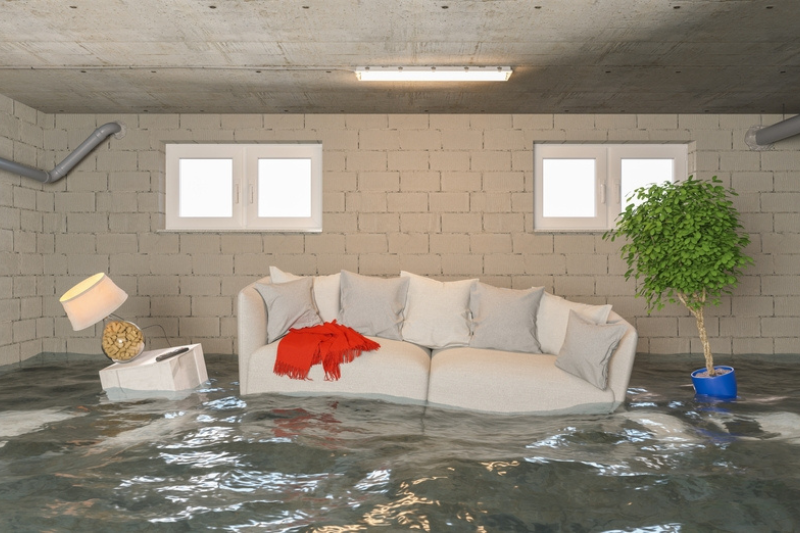
Handling Basement Flooding in Brownsburg: Essential Tips and Guidance
Experiencing unexpected flooding in your Brownsburg basement after recent heavy rains? You are not alone. Many homeowners throughout the Brownsburg area find themselves facing unwelcome water intrusion during heavy downpours or unpredictable weather swings. With a long-standing reputation for helping local families handle plumbing emergencies since 1969, Summers Plumbing Heating & Cooling is here to guide you through every step of the process and help you recover safely and efficiently.
Need professional help with plumbing repairs? Contact Summers Plumbing Heating & Cooling for expert services in Brownsburg. Get a free service call with any paid repair now! (Terms and conditions apply).
Flooding in a basement can happen much more quickly than you might expect. Whether triggered by overwhelmed drainage systems, sump pump failures, or groundwater infiltration, the actions you take in the first moments are critical. In this guide, we will walk you through the essential steps, important precautions, and effective solutions for managing and preventing basement floods in Brownsburg.
Immediate Steps When Your Brownsburg Basement Floods
Put Safety First
Before you assess the water damage or attempt to salvage belongings, your top priority should be ensuring everyone’s safety. Water carries significant electrical hazards, especially if it has reached wall outlets, appliances, or your home’s electrical panel. Do not enter a flooded basement until you are absolutely certain all electricity to the area has been turned off safely. If you smell natural gas or see signs of damage to gas appliances or piping, evacuate your home immediately and call for emergency help. Wait for professionals to confirm it is safe before entering.
Identify the Source of the Water
Once safety is confirmed, the next crucial step is to determine where the water is coming from. Flooding in Brownsburg basements can result from several sources, including:
- Heavy rainfall overwhelming your home’s foundation
- Sump pump failure or power outage
- Clogged or malfunctioning floor drains
- Sewer system backups
- Burst plumbing pipes
- Water heater leaks
- Poor exterior drainage around your property
- Blocked gutters and downspouts
Pinpointing the origin helps ensure you and your plumber address the root problem quickly. For example, the solution varies greatly between a sump pump issue and a broken water line. If you suspect your plumbing is at fault, reach out to a reliable plumbing professional as soon as possible.
Stop the Water If Possible and Safe
If the flooding is due to a plumbing failure like a burst pipe, shut off your home’s main water supply to prevent continued water intrusion. Take time to locate your main shutoff valve in advance, as acting swiftly can reduce damage. However, if you need to cross standing water to reach the valve, prioritize safety and wait for professional help. If weather-driven flooding is behind the problem, sump pumps and exterior drainage will be the key to mitigation.
Common Mistakes to Avoid During Basement Floods
Do Not Enter Standing Water Without Protection
Floodwater often contains more than just rainwater. Depending on its source, it may harbor hazardous contaminants such as sewage, bacteria, or chemicals. This is especially important in Brownsburg, where heavy rains can overwhelm sewage systems. If you must enter a flooded area, always wear waterproof boots, gloves, and other protective gear. Keep children and pets safely away until cleanup and sanitization are complete.
Do Not Rely Entirely on Your Sump Pump
Sump pumps are invaluable when major storms hit, but they can fail when you need them most due to power loss, blockages, or worn parts. If your unit stops working during a flood, do not attempt to inspect or repair it while standing in water. Call a certified technician to safely evaluate the system and prevent risks of electrical shock.
Do Not Use Electrical Devices in Wet Areas
You may want to start drying out your basement quickly with fans or shop vacuums, but using electrical devices near standing water is extremely dangerous. Only use equipment after an electrician or plumber has checked systems for safety. Always have any appliances exposed to water professionally inspected before resuming use—they may need repair or replacement.
Documenting Flood Damage for Insurance
Before moving damaged items or starting any cleanup, thoroughly document the flood’s impact. Take clear photos and videos of:
- Water levels in each affected space
- Damaged walls, flooring, and finishes
- Water-logged home furnishings
- Appliances, especially those exposed to water
- Plumbing and sump pump locations
These records will help you file a more complete claim with your insurer and may be needed if there are any disputes about coverage or repair costs.
Manage the Aftermath: Mold and Moisture
Basements that have been flooded often remain damp, increasing the risk of mold and mildew growth. Mold can set in within 48 hours, compromising indoor air quality and damaging structures. Materials such as drywall, insulation, and carpeting may need to be removed and professionally dried or replaced. Do not rely on simple surface drying—have a specialist check hidden areas for moisture and take steps to fully dehumidify affected spaces.
Inspect Drains and Sewage Lines
If water backs up through floor drains or you notice slow drains and foul odors, these are signs of possible sewer issues. Continued use of the plumbing system during a backup can make problems worse. Brownsburg’s aging infrastructure can compound these risks after large storms, so contact a professional plumber to clear blockages and inspect drains to restore safe service.
Sump Pump and Plumbing Assessment
Once the immediate crisis passes, a plumbing system check is crucial. Restarting a failed sump pump may only offer a temporary fix if there are deeper issues, like a faulty float switch or a blocked discharge. Have a professional plumber examine your sump pump and all drainage components to determine the cause and recommend repairs or upgrades that can prevent future incidents.
Preventing Future Basement Floods in Brownsburg
Taking proactive steps is the most reliable way to avoid repeat flooding. Test your sump pump at least twice a year by pouring water into the sump pit to ensure it runs smoothly. Consider adding a battery backup system to safeguard against power loss during severe weather. Keep gutters and downspouts clear of debris and ensure they divert water well away from your foundation. If your home has experienced repeated flooding, invest in a full drainage evaluation to identify chronic vulnerabilities before the next big storm hits.
Summers PHC: Dedicated to Brownsburg Homeowners
If you are facing a flooded basement or want to fortify your Brownsburg home against future water damage, Summers Plumbing Heating & Cooling is ready to help. Our experienced team will assess your plumbing, drainage, and sump pump systems, recommend the most effective solutions, and help you return your home to normal. We are committed to the Brownsburg community, offering rapid response and local expertise when you need it most.
Summers PHC Is Ready When You Need Us
Basement flooding can be overwhelming, but you do not have to face it alone. Trust Summers Plumbing Heating & Cooling to help you recover quickly and safeguard your home for tomorrow. Take the next step—book a comprehensive plumbing inspection or service online, or call (317) 742-6699 to speak directly with our Brownsburg team. For convenient booking, visit our online scheduler today and experience reliable restoration with local professionals you can trust.