


Proactive Water Heater Care: Prevent Failures Caused By Warming Groundwater in Brownsburg
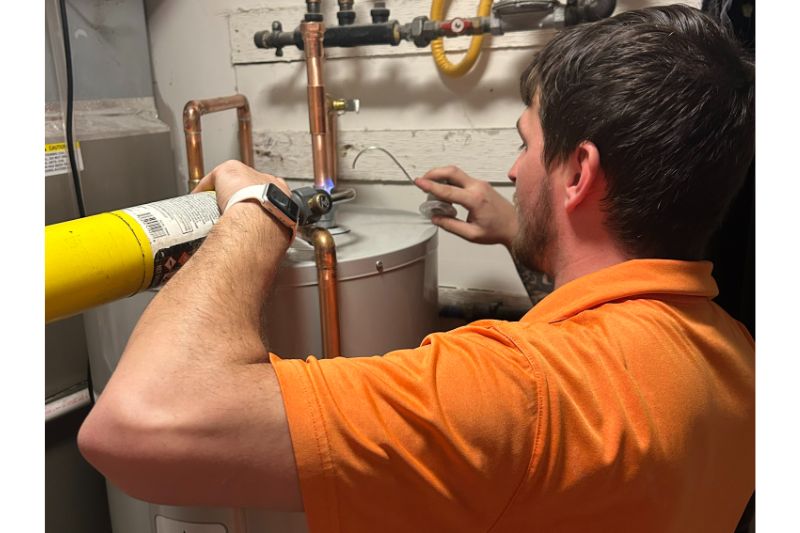
As the chill of winter fades, many Brownsburg homeowners shift their focus to spring cleaning and outdoor tasks. While prepping gardens and refreshing outdoor spaces are important, it’s easy to overlook what’s happening beneath your feet—particularly your home’s plumbing and water heater system. As the ground thaws and temperatures rise, water heaters in Brownsburg experience unique stress that can expose hidden issues from the winter. Ignoring these changes could put your water heater at risk just when you need it to be reliable for the busy months ahead.
Need professional help with your water heater? Contact Summers Plumbing Heating & Cooling for expert services in Brownsburg. Get a $59 Water Heater Safety Inspection for this month only! (Terms and conditions apply).
Understanding the Impact of Warming Groundwater
When Brownsburg’s frost-covered soil begins to thaw, groundwater temperatures start to rise as well. Although this change may seem harmless, it can have a significant impact on your water heater. After working hard all winter to supply heated water, your unit may suddenly be exposed to new challenges as the temperatures and water chemistry change. These subtle shifts in the environment may lead to everything from sediment buildup to unexpected leaks and breakdowns. Scheduling a spring water heater inspection is one of the smartest ways to catch emerging problems before they disrupt your comfort.
Why Warming Groundwater Can Harm Your Water Heater
The change in groundwater temperature brings several potential hazards for your Brownsburg water heater, sometimes in ways that are not immediately obvious:
Scaling and Sediment Accumulation: As groundwater becomes warmer, it dissolves minerals such as calcium and magnesium more efficiently. When this harder water enters your home’s heater and is heated further, those minerals are more likely to precipitate out and form sediment. Over time, this can result in thick layers of scale that cling to the tank or the heating elements.
Overheating and Inefficiency: The accumulation of scale and sediment forces your water heater to work harder, driving up your utility bills. In many cases, it also creates “hot spots” on electric heating elements or the base of a gas tank, which can shorten the heater’s lifespan and reduce performance.
Corrosion and Leaks: Sediment buildup can create small, superheated steam pockets inside the tank. This not only stresses the tank’s lining but can also lead to corrosion. Corroded areas eventually develop leaks, and if ignored, they might result in a complete tank failure that requires emergency repair or replacement.
Increased Pressure: As water heats and expands, it raises the pressure within your system. With fluctuating groundwater input temperatures, your heater may reach set temperatures more quickly, increasing internal pressure and the risk of leaks at valves, joints, or even the tank walls.
Spring DIY Tasks for Your Water Heater
While annual professional maintenance is essential, there are several practical steps Brownsburg residents can take to care for their water heaters between service visits.
Regularly inspect the area around your water heater for moisture, puddles, or visible leaks. Early detection often prevents bigger repairs. Look for signs of dampness or staining on nearby walls or flooring, particularly in the basement or utility areas.
Check for changes in water pressure using a basic pressure gauge installed on a hose bib or laundry faucet. Normal pressure should range between 40 and 60 psi. Consistently low or high readings may indicate issues with your plumbing or your water heater’s pressure relief valve.
Take the time to listen for unusual sounds, such as popping or rumbling coming from your water heater. These noises often indicate sediment buildup and trapped steam bubbles within the tank.
Essential DIY Task: Flushing the Water Heater
Flushing your water heater at least once each spring helps prevent the kind of mineral buildup that can lead to inefficiency and damage. To do so, follow these simple steps:
First, turn off the power supply—either at the breaker for electric models or by switching the gas valve to “pilot” or “off” for gas units. Attach a hose to the heater’s drain valve, then position the other end in a floor drain or outside, away from the home’s foundation. Open the drain valve carefully and let water run out until it flows clear. This process helps wash away sediment, improving performance and extending the life of your unit.
Ensuring Comprehensive Water Heater Protection
There’s more to protecting your Brownsburg water heater than simply maintaining the tank itself. Seasonal changes can bring excess moisture and humidity, especially as spring rain increases. It’s vital to direct rainwater away from your home’s foundation using well-maintained gutters and downspouts. Make sure water doesn’t collect near your basement walls, as this can seep inside, leading to rust and decay on floor-mounted heaters.
Test your sump pump at the start of the season by pouring a bucket of water into the pit. If the pump activates promptly and expels the water, you’ll have peace of mind knowing your basement is less likely to flood—and your water heater is less likely to suffer water damage.
Schedule Your Professional Water Heater Service in Brownsburg
Now that you’ve taken care of some important spring maintenance tasks, don’t miss the opportunity to have a professional inspect your unit. A skilled technician will check all internal components, ensure your thermostat is operating correctly, and examine critical safety features like the temperature-pressure relief valve. Early detection and regularly scheduled tune-ups make a significant difference when it comes to avoiding expensive water heater failures in Brownsburg homes.
Summers Plumbing Heating & Cooling Is Ready to Serve You
If you want to ensure your Brownsburg home’s water heater is prepared for the months ahead, the experts at Summers Plumbing Heating & Cooling are here to help. Our team offers reliable inspections, timely repairs, and quality maintenance services you can trust. Schedule your water heater service today by calling 317-742-6699 or use our convenient online booking form. We’ll help you keep your water heater running safely and efficiently, so you can enjoy a comfortable, worry-free spring and summer.