

Managing Basement Flooding in Indianapolis: Essential Do’s and Don’ts
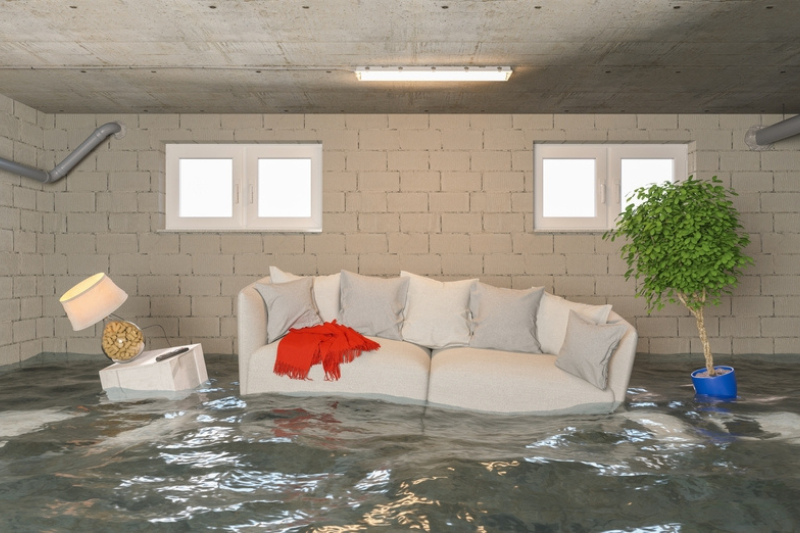
Managing Basement Flooding in Indianapolis: Essential Do’s and Don’ts
It’s no secret that Indianapolis residents know all too well how unpredictable the weather can be. Torrential rainfall and sudden floods can leave homeowners facing one of the most stressful situations: dealing with water in the basement. If you’re facing this daunting issue, acting quickly yet safely is crucial to protecting your property and your loved ones. This comprehensive guide is designed to help Indianapolis homeowners manage basement flooding with confidence and clarity.
Need professional help with your plumbing needs? Contact Summers Plumbing Heating & Cooling for expert solutions in Indianapolis. Get a FREE Service Call with Any Paid Repair! (Terms and conditions apply).
Since 1969, Summers Plumbing Heating & Cooling has stood as a reliable partner for families throughout the Indianapolis area. Our decades of experience in plumbing emergencies mean we know exactly how to help you through the process, from first response to final repairs.
Take Immediate but Safe Action
Your first instinct may be to tackle the water immediately, but a flooded basement can hide serious dangers. It’s essential to keep safety at the forefront of all you do. Hazards can range from electrical risks to threats from contaminated water. When in doubt, don’t step into standing water until the area is deemed safe to enter.
Prioritize Personal Safety
Before trying to rescue belongings or start the cleanup, evaluate these safety points:
- Electrical Hazards: Standing water and electricity are a serious risk. If you suspect water has reached electrical outlets, appliances, or your breaker panel, keep everyone clear until the power is off and it’s confirmed safe. Never attempt to turn off power by walking through water.
- Gas Leaks: Should you detect the scent of gas, evacuate your home immediately and contact local authorities. Gas leaks are dangerous and require professional attention.
Waiting for professional help can prevent serious accidents in your Indianapolis basement.
Avoid Direct Contact with Floodwater
Floodwater can be highly contaminated and unsafe for direct contact. If you need to enter the affected area, wear waterproof boots and gloves, and avoid letting children or pets near the space until it’s thoroughly cleaned. The health risks from bacteria or sewage mean it’s best to err on the side of caution.
Identify the Source of Water
Determining what caused the flooding can help direct your next steps:
- Sump Pump Failure: In Indianapolis, heavy rains often mean sump pumps are working overtime. Power outages or mechanical breakdowns are common causes of failure during storms.
- Drainage System Blockages: Floor drains and gutters may become clogged or damaged during severe weather, increasing the risk of water entering your basement.
- Plumbing Leaks and Appliance Failures: Sometimes, a burst pipe or appliance leak is the culprit of basement flooding.
Identifying the source allows you to contact the right professionals for either plumbing or drainage repair, avoiding delays that could make damage worse.
Don’t Assume Your Sump Pump Is Working
Basement flooding in Indianapolis is frequently tied to overwhelmed or malfunctioning sump pumps. While these pumps are designed to protect your home, storms can quickly exceed their capacity or cause power failures. Avoid trying DIY repairs on the sump pump if water is present; instead, consult an expert to safely inspect and restore your system.
How to Halt the Problem Safely
Stopping the flooding process depends on the cause. If you believe the source is a burst pipe or malfunctioning appliance, locate your home’s main water shutoff valve. However, never cross a submerged basement to access it. If the flood is from outside water, concentrate efforts on sump pump operation and keeping drainage channels clear without placing yourself at risk. Safety always comes first.
Handle Electrical Equipment with Caution
During all cleanup tasks, avoid operating electrical devices until you are certain there is no risk of electrocution. Items like wet/dry vacuums and dehumidifiers should only be used once a licensed professional confirms it’s safe. Remember, appliances such as furnaces or water heaters exposed to floodwaters need to be properly inspected and possibly serviced, even if they seem to have dried out.
Document Damage for Insurance Purposes
Properly documenting the full extent of basement flooding can make a world of difference when it comes to insurance claims. Take clear, dated photos of high water marks, damaged items, appliances, and the suspected source of leaks. Retain these pictures and maintain a list of all affected possessions before making repairs or disposing of ruined materials. This thorough documentation will help streamline the claims process with your insurance company.
Make Sure Cleanup Is Thorough
Eliminating standing water is just the first step. Lingering moisture creates the perfect breeding ground for mold and mildew, impacting air quality and introducing health concerns. Consider removing any soaked carpets, drywall, or insulation. Don’t hesitate to enlist professional help for deep drying and sanitizing services to ensure your home is fully protected.
Keep Your Drainage Systems Maintained
Check basement drains closely, especially if water seems to be backing up through them. Strange odors or slow drains could be signs of an underlying clog or sewer issue. Clean gutters, downspouts, and window wells on a regular basis to minimize future risks of water intrusion.
Inspect Your Plumbing and Sump Pump Systems
After a flooding event, schedule a full home inspection focused on your sump pump, plumbing, and drainage. Professional maintenance visits can detect hidden weaknesses, prevent future emergencies, and safeguard your home against the next heavy rainfall.
Safeguard Your Home for the Future
While nobody can control the unpredictable Indianapolis weather, regular maintenance is your best defense. Test your sump pump regularly, keep gutters and drains clear, and consider investing in a battery backup system to prevent failures during power outages.
When you need trusted advice or rapid response in the Indianapolis area, Summers Plumbing Heating & Cooling is committed to protecting your home with skilled, friendly service—day or night.
Summers PHC Can Help with Basement Flooding in Indianapolis
Basement flooding doesn’t have to upend your peace of mind. At Summers Plumbing Heating & Cooling, our dedicated team provides prompt and professional support to keep your Indianapolis home safe and dry. Whether you’re experiencing a plumbing emergency or want preventative maintenance, we’re here with reliable, local service. Call us today at (317) 747-2971 or schedule your service online for expert help when it matters most.