
Maximizing Your Heat Pump Efficiency During Indianapolis Winters
Maximizing Your Heat Pump Efficiency During Indianapolis Winters
Living in Indianapolis means facing brisk, snowy winters that put your home’s heating system to the test. If you rely on a heat pump, you know these systems offer the convenience of both cooling and heating from a single unit, but cold weather can sometimes strain their performance. To keep your Indianapolis home cozy and minimize your energy bills through the coldest months, it’s important to understand how your heat pump functions and what steps you can take to boost its efficiency.
Need professional help keeping your heat pump in shape this winter? Contact Summers Plumbing Heating & Cooling for expert heating solutions in Indianapolis. Get your $69 Heating Tune-Up today! (Terms and conditions apply).
Understanding How Heat Pumps Work
Unlike traditional systems that combine an air conditioner for summer and a furnace for winter, a heat pump manages your home’s temperature year-round with a single, efficient system. In winter, your heat pump draws warmth from the outdoor air and transfers it inside, even when the weather is cold. When summer rolls around, the cycle reverses, moving indoor heat outside to cool your rooms.
The beauty of a heat pump lies in its approach to temperature control. By transferring heat instead of generating it, heat pumps offer a cost-effective and environmentally-friendly way to keep your home comfortable. This dual-mode capability means quieter operation and lower energy use throughout the year, making it an appealing solution for many homeowners in the Indianapolis area.
The Challenge: Cold Weather Performance
Even on chilly days, there is heat energy present in the air that a heat pump can harness. However, as the mercury drops, your heat pump has to work harder to extract enough heat to keep your home comfortable. In many cases, modern heat pumps, especially those designed for cold climates, still function effectively well below the freezing mark. Still, every unit has its limitations, and knowing how your heat pump should perform in Midwest winters can help you spot when it needs a helping hand.
When outdoor temperatures plummet into the single digits, your system may require backup or auxiliary heating to maintain the desired indoor temperature. This is perfectly normal in extreme conditions, but understanding when support is needed is key to both comfort and energy savings.
How Auxiliary Heat Supports Your System
Auxiliary or backup heat is an additional heat source that kicks in when your heat pump alone can’t handle the load—such as during a deep freeze or while the unit is working in defrost mode. Most commonly, this backup comes from electric resistance heating elements. If your heat pump calls for auxiliary heat only during particularly frigid spells or for brief intervals, everything is likely working as designed. However, if the auxiliary heat is on far too often—even when weather is relatively mild—it may signal that your system could benefit from maintenance or repairs.
Tips for Boosting Heat Pump Efficiency in Indianapolis
Although the Indiana winter can be taxing on your HVAC equipment, you can help your heat pump perform at its peak with a few practical steps:
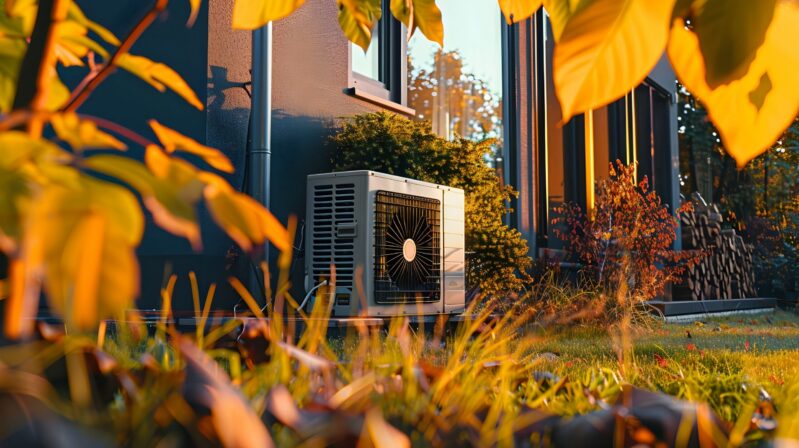
Keep the Outdoor Unit Clear: Snow, leaves, and other debris can collect around your heat pump’s outdoor unit, obstructing airflow and impeding efficiency. Gently clear away accumulations after snowfalls and periodically check for blockages.
Maintain Clean Air Filters: Dirty or clogged air filters make your system work harder and reduce efficiency. Inspect filters monthly during heavy use and replace or clean them as recommended by your manufacturer.
Make Sure Vents Are Unblocked: Heat delivery throughout your home depends on open, unobstructed vents and registers. Check that furniture, rugs, or other objects aren’t preventing warm air from circulating freely.
Set Your Thermostat Thoughtfully: For optimal efficiency, set your thermostat to “Heat” mode and choose a comfortable, steady temperature. Avoid drastic temperature swings, as frequent adjustments can force your system to work harder and increase wear.
Book Routine Professional Maintenance: Because your heat pump operates all year, annual or semi-annual tune-ups by heating professionals are the best way to ensure reliability and high performance. A thorough maintenance visit in autumn can catch small problems before winter truly sets in.
Warning Signs: When Your Heat Pump Needs Attention
Most modern heat pumps in Indianapolis homes will operate with minimal fuss—especially with good maintenance. Still, it’s smart to recognize when something’s amiss. Pay attention for:
Odd Noises: Any unusual or persistent noises coming from your unit can be a red flag signaling a need for professional inspection.
Excessive Cycling: If your heat pump is turning on and off more often than expected, it may be struggling with efficiency or airflow issues.
Poor Heating Performance: If rooms in your home consistently feel too cold or the system cannot reach the temperature set on your thermostat, it’s time to call for service.
Prepare for Indianapolis Winters with Trusted Maintenance
Fall is an ideal time to ensure your heat pump is ready to face months of cold weather. By scheduling a professional tune-up, you can reduce the risk of mid-winter breakdowns, catch potential issues early, and save money on energy over the course of the season. This peace of mind is especially valuable during the unpredictable winter weather familiar to Central Indiana residents.
Summers Plumbing Heating & Cooling is dedicated to keeping Indianapolis homes safe, comfortable, and energy efficient. Our experienced technicians are ready to help you with heat pump maintenance, repair, replacement, or installation—no matter the make or model. Emergency service, same-day appointments, and expert advice are always just a call away.
Summers PHC Is Ready to Keep Your Home Warm
If you’re looking to maximize your heat pump’s performance this season or have questions about HVAC options for your Indianapolis home, reach out to the trusted local professionals. Whether you require maintenance, repairs, or help choosing the right upgrades, our friendly team is committed to delivering excellent service and lasting comfort throughout the winter months.
Enjoy reliable heating without the worry—call (317) 747-2971 or schedule your service appointment online today with Summers Plumbing Heating & Cooling. Don’t let freezing temperatures catch you off guard. Make sure your HVAC system is ready for everything this Indianapolis winter brings!