
Furnace Replacement in Bloomington, Indiana: Cost Breakdown
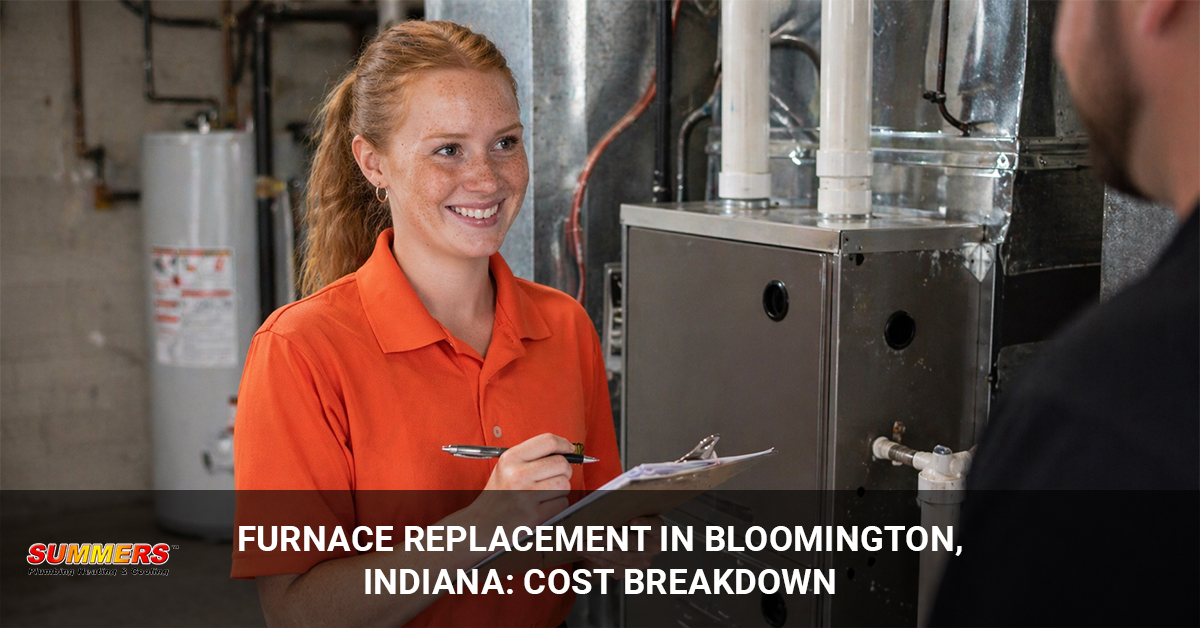
Furnace replacement in Bloomington, Indiana, usually costs between $4,000 and $8,000 for most homes.
Replacing your furnace is a big decision, especially in Bloomington, Indiana, where winters can get cold, and your heating system runs for months. If your furnace is not heating well, uses too much energy, or breaks down often, replacing it may be the better option.
This guide explains the real cost of furnace replacement, what affects the price, and how to choose the right system for your home.
Average Furnace Replacement Cost in Bloomington, Indiana
Most homeowners in Bloomington, Indiana, pay between $4,000 and $7,500 for a furnace replacement.
Here’s what you can expect:
- Standard furnace: $4,000 to $7,500
- High-efficiency system: $7,500 to $10,000+
- Complex installation or full HVAC upgrade: $10,000+
The final cost depends on your home size, the type of furnace you choose, and how complex the installation is.
Furnace Cost Breakdown: Where Your Money Goes
Furnace replacement cost mainly includes the unit price and installation.
Knowing where your money goes helps you plan better and avoid surprise costs.
1. Furnace Unit Cost
The furnace itself usually costs between $2,000 and $6,000.
- Basic furnace: $2,000 – $4,000
- High-efficiency furnace: $3,500 – $6,000+
High-efficiency models cost more upfront, but they use less energy and can lower your monthly heating bills over time.
2. Installation and Labor
Installation and labor usually cost between $1,000 and $2,500.
This cost includes removing your old furnace, installing the new system, and testing everything to make sure it runs safely and efficiently. The technician will handle setup, connections, and system checks so your home heats properly.
If the installation is more complex, such as working in a tight space, updating ductwork, or making venting changes, the labor cost can increase.
3. Additional Costs to Consider
Additional costs can add $100 to $4,000 or more, depending on your home.
You may need to pay for permits, which usually cost between $100 and $300, depending on local requirements. If your ductwork is damaged or outdated, repairs or replacement can add $2,000 to $4,000. Upgrading your thermostat, especially to a smart model, can cost around $100 to $500.
Not every home needs these upgrades, but if they are required, they can increase your total furnace replacement cost.
Key Factors That Affect Furnace Replacement Cost
Furnace replacement cost mainly depends on the type of furnace you choose.
Gas furnaces are the most common in Bloomington, Indiana, because they offer a good balance between cost and efficiency.
Electric furnaces usually cost less upfront, but they can lead to higher monthly energy bills over time. Oil or propane furnaces tend to cost more to install and run, so they are less common unless your home requires them.
Home Size and Heating Needs
Furnace replacement cost increases with home size because larger homes need more heating power.
A small home needs a lower BTU furnace, which costs less to buy and install. A larger home requires a higher BTU system to heat the space properly, and that increases the total cost. Choosing the right size is important because an oversized or undersized furnace can lead to higher energy bills and poor performance.
Energy Efficiency (AFUE Rating)
Furnace cost increases with higher AFUE ratings, but efficiency improves, and energy bills go down.
AFUE, or Annual Fuel Utilization Efficiency, shows how much fuel your furnace turns into usable heat. An 80% AFUE furnace costs less upfront but uses more energy over time.
A 90–98% AFUE furnace costs more to install, but it runs more efficiently and can save money on monthly heating bills.
Installation Complexity
Furnace replacement cost increases when the installation is more complex.
If your ductwork needs changes or repairs, the job takes more time and materials, which raises the cost. Adding or upgrading venting can also increase the price, especially for high-efficiency systems.
If the installation area is hard to access, labor becomes more difficult, and that can further increase the total cost.
Cost by Furnace Type
Gas Furnace
Gas furnace replacement typically costs between $4,000 and $10,000 installed.
Gas furnaces are the most popular choice in Bloomington, Indiana, because they offer a good balance of upfront cost and energy efficiency.
They heat homes quickly and work well in colder climates, which makes them a reliable option for most homeowners.
Electric Furnace
Electric furnace replacement typically costs between $2,500 and $7,000 installed.
Electric furnaces cost less upfront and are simpler to install, which makes them a good option for smaller homes.
However, they usually have higher operating costs, so they work best in mild climates or homes with lower heating demand.
Oil or Propane Furnace
Oil or propane furnace replacement typically costs between $4,500 and $12,000 or more installed.
These systems are less common but still used in some rural areas where gas lines are not available.
They usually cost more to install and run, but they can provide strong, reliable heating for homes that need an alternative fuel source.
Signs You Need a Furnace Replacement
You likely need a furnace replacement if your system is old, unreliable, or no longer heating your home efficiently.
If your furnace is 15 to 20 years old, it may be reaching the end of its lifespan. Frequent repairs are another clear sign, especially if the costs keep adding up. Rising energy bills often mean your system is losing efficiency.
You may also notice uneven heating, where some rooms feel cold while others are warm. Strange noises or repeated system failures are strong signs that your furnace is struggling and may need to be replaced.
Repair vs Replacement: What’s Better?
Repair is better for small issues, but replacement makes more sense when costs and problems keep adding up.
Repair makes sense when the problem is minor and costs under $500, especially if your furnace is less than 10 years old. In these cases, fixing the issue is usually the most cost-effective option.
Replacement is the better choice when repair costs are more than 50% of a new system, or when your furnace breaks down often. If your system is inefficient and driving up energy bills, upgrading to a new furnace can save money over time and improve comfort.
How to Save Money on Furnace Replacement
You can lower furnace replacement costs by planning ahead and making smart choices.
Start by getting multiple quotes from local contractors so you can compare pricing and avoid overpaying. Try to schedule your installation during the off-season, like spring or fall, when demand is lower, and discounts are more common.
Look for rebates and tax credits, as they can reduce your overall cost. It’s also important to choose the right size furnace, because a system that is too big or too small can waste energy and increase expenses over time. You can also prepare your heater for the holidays to avoid unexpected heating issues and extra costs.
Why Hiring a Local Contractor Matters
Hiring a local HVAC contractor helps ensure faster service and the right system for your home.
A local professional in Bloomington, Indiana, can respond quickly when you need service. They understand the local climate and know what type of furnace works best in the area.
They also size and install the system correctly, which helps your furnace run efficiently and last longer.
Final Thoughts
Furnace replacement is a smart investment that improves comfort and lowers long-term energy costs.
In Bloomington, Indiana, where winters can be cold, a reliable furnace makes a big difference in daily comfort. Most homeowners spend between $4,000 and $8,000 or more, depending on the system and installation.
The right furnace can reduce energy bills, cut down on repairs, and keep your home warm for years. If your current system is old or unreliable, replacing it now can help you avoid bigger problems later.