


Proactive Water Heater Care: Prevent Failures Caused By Warming Groundwater
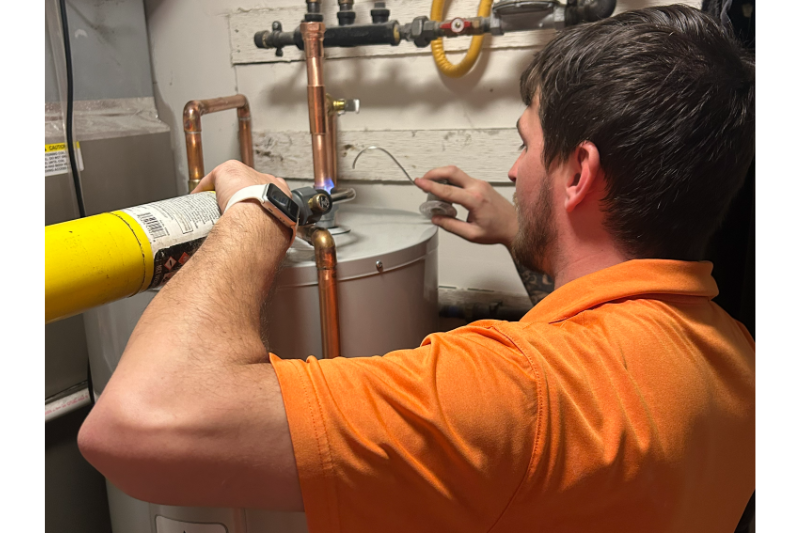
Winter isn’t kind to your pipes, fixtures, and appliances. Many people panic when the first freeze hits, worrying about pipes bursting in the walls. However, the thaw of springtime brings its own issues for your plumbing, including your water heater. Problems that stay hidden below the surface in the winter months emerge once the snow melts and the ground starts to warm.
One of the most common causes of water heater failure that homeowners miss is the warming of the groundwater itself. Scheduling a spring plumbing tune-up for your Anderson, IN home is a great way to spot minor issues before they turn into expensive repairs.
As the soil thaws, the water piped into your house gets warmer every single day. While it sounds harmless, this change can be brutal for a water heater that has been fighting ice-cold temperatures for months. This sudden shift in pressure and temperature can easily cause a water heater to fail.
Want to get a water heater tune-up? Contact the professionals at Summers PHC. Our team will inspect your existing unit and deliver honest, professional advice on the options that suit you best. Take advantage of our thorough water heater safety inspection for just $59. Hurry! This is a limited-time offer. (Terms and conditions apply.)
How Warming Groundwater Breaks Your Water Heater
Warming groundwater is one of the most common reasons a water heater fails. It is problematic in two ways: it catalyzes scaling and puts excessive pressure on components due to thermal expansion. Both of these problems will eventually lead to premature failure.
- Quick mineral scaling: Hot water dissolves minerals like calcium and magnesium more effectively than cold water. When this hot water, or the so-called “hard water,” enters your water heater, it heats up even more, and hard mineral deposits can form and fall into the heater.
- Overheat and Loss of Efficiency: Scale forms on the heating elements or the tank bottom, and it builds up until a thick muck forms. This makes your heater work much harder to heat the water, wasting energy and potentially scorching the bottom of the tank.
- Corrosion and Leaks: That sediment layer creates small pockets of superheated water. This causes the tank lining to corrode and pit, resulting in a leak or a complete failure of your water heater.
- Over-Pressure: As water heats, it expands. Warmer groundwater reaches its set temperature more quickly, resulting in pressure buildup in the tank. That pressure creates significant stress on the tank walls and every connection.
Simple DIY Spring Tasks for Your Water Heater
Most plumbing checks are simple and don’t require any special tools. If you’re comfortable with basic home chores, you can easily do these yourself:
- Look for Visible Leaks: Check under your kitchen and bathroom sinks and behind the toilet. You should also look around the base of your water heater and on your basement floor.
- Watch Your Walls: Look for new water stains or damp spots. Sometimes you can even hear water dripping behind the wall when the house is quiet.
- Check Your Water Pressure: Buy a basic pressure gauge and test an outside tap. Your pressure should be between 40 and 60 psi. If it’s higher or lower, you likely have a hidden plumbing problem.
The Most Important DIY Task: Flushing the Heater
Flushing the sediment out of your water heater is the first thing you should do. It’s a straightforward process:
- Power down: Stop supplying the heater with gas or electricity.
- Drain the tank: Connect a hose to the bottom valve and drain the tank until the water runs clear.
Flushing takes care of those popping or rumbling sounds. When steam bubbles hit a thick layer of sediment muck, they can become temporarily stuck, and this is the sound that you hear. Removing this sludge helps the heater run properly, reducing the risk of overheating and tank fatigue.
Proactive Water Heater Protection: Beyond the Tank
While checking your tank is important, protecting your water heater also means taking a look at the systems surrounding it. The combined impact of snow melt and spring rain can leave your basement exceedingly damp in Anderson, IN. This additional humidity increases the possibility of rust on the outside of a floor-mounted water heater.
When it rains, and when water moves over your home, it needs to be moved away from your foundation to prevent moisture damage to your unit. Keeping your gutters and downspouts clear will cause water to flow away from the basement walls and prevent pooling. If you aren’t diligent about this, you could have water enter and rot the bottom of your heater.
A quick test of your sump pump by dumping a bucket of water into the pit will ensure it is ready for the season. It pumps up any leak before the water can accumulate, allowing it to drain out and preventing flooding that could crush the gas or electrical components of the heater.
Schedule Your Water Heater Service With Summers PHC
Spring is almost here, so now is the time to get your home ready for the warmer months. After finishing your own basic checks, call the team at Summers PHC for a professional water heater tune-up in Anderson, IN.
Take advantage of our local specials for Anderson homeowners:
- $59 Water Heater Safety Inspection: Get a full safety check for peace of mind.
- FREE Water Quality Test: Find out if minerals are threatening your water heater.
- $99 Drain Cleaning Discount on Service
- FREE Service Call is available with any paid repair.
Call us today at 765-444-6175 for more information or schedule an inspection online. Our expert team will take a closer look at your water heater and plumbing system to ensure everything is in perfect working order.