

Toilet Repair 101: Fixing Constant Running or Weak Flushes
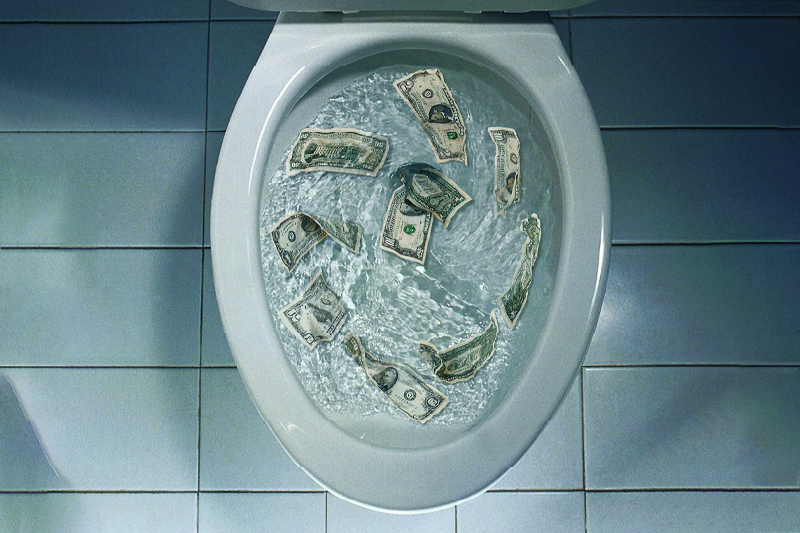
If your toilet keeps running or flushes weakly, it can quickly become annoying. It can also cost you money because a constantly running toilet wastes water, increasing your water bill. Weak flushing can also indicate a problem with the toilet tank or drain system. Plumbing systems in some homes in Indiana, including in Anderson, still have old cast-iron lines, which are prone to these toilet issues.
Fortunately, you can DIY minor toilet repairs in your Anderson home. But for major plumbing problems, make sure to get professional help.
At Summers Plumbing Heating & Cooling, we can help get your toilet fixed fast. We also offer other important services, including FREE water quality testing and water heater safety inspection for only $59. Hurry! This is a limited-time offer. (Terms and conditions apply.)
How a Standard Toilet Works
A standard toilet has a bowl that drains into the siphon with a toilet seat on top. It also has a tank mounted against the wall, with a flush handle. Inside the tank are a flush valve, a fill valve, an overflow tube, and a flapper.
When you flush the toilet, the chain raises the flapper. This allows fresh water from the tank to fill the bowl. The toilet system uses gravity to draw the flushed water via the S-trap into the sewer pipes. When the tank is empty, the flapper closes, and the tank refills through the fill valve. Water enters the valve from the bottom via the refill tube. It then runs down through the overflow tube.
The water in the bowl also rises as the tank is refilled. When the water reaches the fill line, the valve closes, and the toilet stops flushing.
Why Would a Toilet Run Constantly
There are several reasons your toilet is continuously running. One possible cause is a malfunctioning chain or flapper. The flapper can become stiff with age, so it stops sealing the gap that allows water to enter the bowl from the tank. If the toilet flapper feels brittle, it is time to replace it.
Sometimes, the issue is minor, such as a small object blocking the flapper or a jam around the flapper’s hinges. A flapper can also become loose, causing a leak. In these cases, you would remove the jam or the object or tighten the flapper.
Other problems include a water-logged float or a float that sits too high. If you unscrew the float, shake it, and hear water inside, you should replace it. If positioning is the issue, adjust it so the toilet tank fills only to the recommended level.
Your toilet might also have a broken fill valve. Fill valves, such as flappers, are easy and inexpensive to replace. Simply buy a new one, turn off the water supply next to your toilet, and flush to empty it. Remove the water supply hose and the broken fill valve. You can unscrew the locking nut and pull the valve out. Place the new fill valve and reattach the supply hose before turning the water back on.
What Causes Weak Flushes?
If your toilet has a weak flush, it could mean the water level in the tank is too low. If the tank is not full, there is insufficient pressure to flush the contents.
Check the water level and adjust if necessary. If the water level is correct, the flapper may be faulty, or the rim feed may be clogged. There are small holes under the rim of your toilet that allow water to enter the bowl. There is also a siphon jet at the bottom of the bowl. Over time, mineral deposits can block these openings, especially if you have hard water.
You should be able to remove mineral buildup with vinegar or a descaling solution. Use a small brush to clear the holes and restore strong water flow during flushing.
A partial clog in the drain line or trap way can also cause a slow or weak flush. Partial clogs are typically caused by too much toilet paper or non-flushable items. You can use a plunger to remove the blockage, or use a toilet auger for deeper clogs.
When DIY Repairs Are Not Enough
If plunging your toilet does not work, it could indicate a buildup or blockage deep within the pipes. In this case, you should call a professional plumber to locate and remove the clog.
The same applies if you use an auger and notice brown water coming up into your shower or bathroom sink. Contact a plumber immediately to prevent your bathroom from overflowing.
If you inspect your toilet and see water running down the outside of the bowl, it is likely that the bowl is cracked. Do not ignore cracks because they can quickly become bigger, causing the toilet to break apart. For large cracks, it is best to get help from a professional.
Your toilet should refill within 45 seconds after flushing. If it takes longer than a minute and a half, there may be a hidden leak or water pressure issue. Call a licensed plumber to investigate and fix the problem.
Reach Out to Summers PHC for Toilet Repairs Beyond Your DIY Skills
If you have tried everything and your toilet continues to run or flush weakly, Summers Plumbing Heating & Cooling can help. Our licensed and experienced plumbers in Anderson will inspect your toilet, find the issues, and let you know how it can be fixed. Do not wait until the toilet breaks completely or until backup flooding damages your bathroom.
At Summers PHC, we know how frustrating a malfunctioning toilet can be. That is why we work quickly and efficiently to get toilets back in working order.
Contact us today at 765-444-6175 to find out more about our toilet repair services in Anderson, IN or book an inspection and repair online. Remember to check out our local plumbing specials.