

Preventing Water Heater Failures in Broad Ripple: Tips for Spring Maintenance
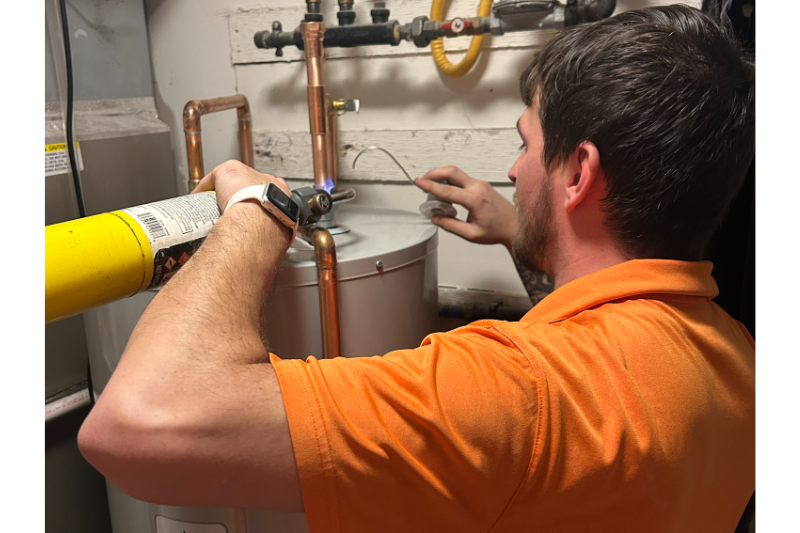
As spring returns to Broad Ripple and the greater Indianapolis area, homeowners anticipate milder weather and the burst of nature’s renewal. Yet, as the landscape comes alive, your home’s plumbing faces unique seasonal challenges—most notably, your water heater. With shifting temperatures and melting snow impacting groundwater, your water heater must adapt quickly. Without proper maintenance, these changes may lead to breakdowns, inefficiency, or even costly repairs right as you need consistent hot water most.
Need professional help ensuring your water heater is safe and efficient? Contact Summers Plumbing Heating & Cooling for expert services in Broad Ripple. Get a $59 Water Heater Safety Inspection for this month only! (Terms and conditions apply).
Understanding How Groundwater Warming Impacts Your Water Heater
As Broad Ripple moves from freezing winters to more temperate springs, the temperature of groundwater rises steadily. While the thaw may seem harmless, this influx of warmer water creates rapid shifts in your water heater’s environment. Tanks accustomed to icy ground conditions suddenly face a faster influx of higher temperature water, leading to unpredictable spikes in pressure and new demands on your plumbing system. If not properly managed, these shifts can result in leaks, failures, or long-term wear.
Proactively scheduling a plumbing tune-up with trusted professionals in the Indianapolis area can make all the difference. At Summers Plumbing Heating & Cooling, skilled technicians thoroughly inspect your water heater for early warning signs, greatly reducing your risk of major interruptions.
The Effects of Warming Water in Your Home
Scale Build-Up: A Hidden Foe
One significant problem caused by the increase in groundwater temperature is heightened scale accumulation within your water heater. Warmer water carries more dissolved minerals such as calcium and magnesium, which constitute what is commonly known as “hard water.” As your tank heats this mineral-rich water, these particles solidify on heating elements and tank walls, creating a stubborn layer of scale.
Energy Inefficiency and Overheating
The build-up of sediment and minerals acts as insulation, effectively trapping heat and making it difficult for the heater’s elements to do their job. Your heater must work harder and run for longer periods, increasing your energy bills and putting unnecessary strain on components. Prolonged overheating can even damage the tank lining, shortening the lifespan of your unit and potentially causing premature breakdowns.
Corrosion, Leaks, and Tank Damage
The sediment layer can also create hot spots within your tank. Superheated water pockets accelerate corrosion and can compromise internal coatings. Over time, these vulnerable areas may develop into leaks or, in worst-case scenarios, cause a total tank failure.
Pressure Surges and System Stress
With the rise in groundwater temperature, thermal expansion happens more quickly. The result is greater internal pressure on your water heater, which can threaten connections and seams around valves and joints. Persistent pressure fluctuations can eventually overwhelm the structural integrity of your tank, leading to costly water leaks or ruptures.
Smart DIY Maintenance for Spring
Caring for your water heater doesn’t always demand professional intervention. Many tasks can safeguard your system’s efficiency and help you spot developing problems before they become serious.
Spotting Leaks in Your Plumbing System
Start by inspecting visible areas around sinks, toilets, and the base of your water heater. Even minor moisture or puddling may point to a slow leak—a small issue now, but one that can rapidly escalate if ignored.
Checking and Monitoring Water Pressure
For reliable operation, your home’s water pressure should sit between 40 and 60 psi. A simple pressure gauge attached to an outdoor faucet makes checking this easy. Abnormal readings can suggest pressure-regulating valve issues or new leaks hidden behind walls.
Essential Task: Flushing Your Water Heater
Sediment buildup is one of the leading causes of water heater inefficiency and noise. Flushing your tank every spring removes this debris and helps your heater run smoother and longer. The process is straightforward:
First, turn off the unit’s power supply (either gas or electric). Then, connect a hose to the drain valve and carefully empty the tank until the water runs clear. This not only removes sediment responsible for annoying popping or rumbling noises but also reduces the chance of overheating and cuts down on energy waste.
Regular flushing can also reveal more subtle problems, such as rust-colored water or excessive scale buildup, which may require the expertise of a local professional.
Guarding Your Water Heater Against Broad Ripple’s Unique Challenges
Broad Ripple homeowners deal with more than just changes in groundwater. As snow melts and spring rains arrive, homes—especially those with basements—face an increased risk of dampness. For floor-mounted water heaters, this means a greater threat of rust and moisture-related damage.
Managing Gutters and Downspouts
Keeping gutters and downspouts clear is crucial. Directing runoff away from your foundation reduces the risk of water invading your basement and damaging your water heater. In a neighborhood where mature trees are common, regular cleaning ensures drainage systems remain effective throughout the season.
Sump Pump Readiness
Finally, ensure your sump pump is working as intended. Pour a bucket of water into the sump pit and make sure the pump starts and quickly clears the water. An operational sump pump is your last line of defense against water accumulation, humid conditions, and potential flooding that could threaten your plumbing and water heater.
Prepare for Spring with Professional Water Heater Care
Spring is the perfect time to catch and correct any water heater issues before they interrupt your comfort. While simple steps like checking for leaks or flushing the tank can go a long way, partnering with a local expert adds peace of mind. At Summers Plumbing Heating & Cooling, we are proud to serve the Broad Ripple and Indianapolis communities by keeping your home’s hot water flowing efficiently through seasonal changes.
Summers PHC Is Ready to Protect Your Water Heater
Don’t let spring’s shifting temperatures and unpredictable weather catch you off guard. For expert water heater maintenance, repair, or inspection in Broad Ripple, turn to Summers Plumbing Heating & Cooling. Call us at (317) 747-2971 or schedule your service online today. Ensure your home’s hot water is secure for the seasons ahead—your comfort and peace of mind are our top priorities.