
Furnace Repair in Columbus, Indiana: No Heat? Call Now
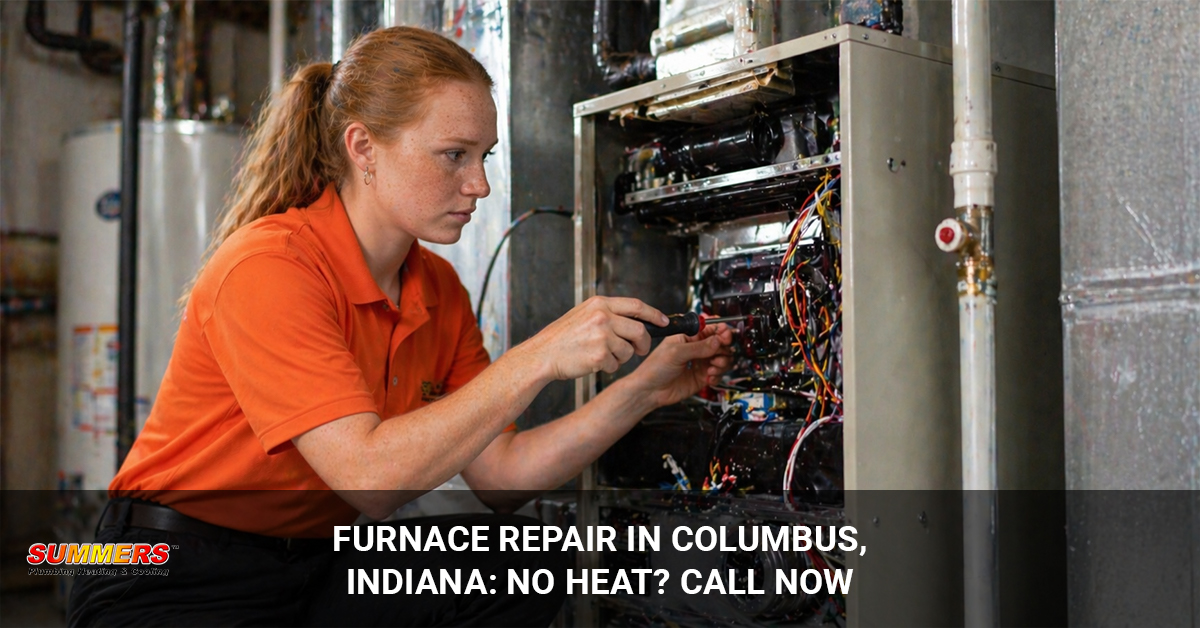
If your furnace has no heat, your home can get cold very quickly.
This is a serious problem in Columbus, Indiana, especially during winter.
The good news is some causes are simple and easy to fix. Others need fast professional repair.
In this guide, you’ll learn why your furnace is not heating, what to check first, and when to call for repair.
Why Is Your Furnace Not Producing Heat?
Your furnace is not producing heat because of thermostat issues, airflow problems, or system faults.
If the system cannot generate heat or move it through your home, the air will stay cold.
These problems can range from simple fixes to issues that need professional repair.
Common Reasons Your Furnace Has No Heat
1. Thermostat Issues
Your furnace may not heat because the thermostat is set incorrectly or not working.
Make sure it is set to “heat” mode and the temperature is higher than the current room temperature.
If needed, replace the batteries or reset the thermostat to restore proper control.
2. Dirty Air Filter
Your furnace may not heat because the air filter is dirty.
A clogged filter blocks airflow, which can cause the system to overheat and shut down.
Replace the filter to restore airflow and help your furnace produce heat again.
3. Pilot Light or Ignition Failure
Your furnace will not produce heat if the pilot light or ignition system fails.
Without ignition, the burner cannot light, so no heat is created.
Check if the pilot light is out. If it won’t relight or the ignition keeps failing, call a professional.
4. Tripped Circuit Breaker
Your furnace may stop working because the circuit breaker has tripped.
When the breaker trips, it cuts power to the system, so the furnace cannot run.
Check your electrical panel and reset the breaker. If it trips again, call a professional.
5. Gas Supply Problems
Your furnace will not heat if the gas supply is off or restricted.
Without gas, the burners cannot produce heat, so the system will only blow cold air.
Make sure the gas valve is open and the supply is working properly. If you suspect a gas issue, call a professional right away.
6. Blower Motor Issues
Your furnace may not heat because the blower motor is not working properly.
The blower moves warm air through your home. If it fails or slows down, airflow will be weak or missing.
This usually requires a professional to inspect and repair the motor.
7. Blocked or Closed Vents
Your furnace may not heat properly because vents are blocked or closed.
When vents are covered by furniture, rugs, or dust, warm air can’t reach your rooms.
Make sure all vents are open and clear so heat can flow evenly through your home.
Quick Fixes You Should Try First
Step 1: Check Thermostat
Check the thermostat to make sure it is set correctly.
Set it to “heat” mode and raise the temperature above the current room temperature.
Replace the batteries if needed to ensure it works properly.
Step 2: Replace Air Filter
Replace the air filter to restore proper airflow.
A clean filter allows air to move freely through the system, helping your furnace heat effectively.
This simple step often solves no-heat issues and improves performance.
Step 3: Check Breaker Panel
Check the breaker panel to see if power has been cut to the furnace.
If the breaker has tripped, reset it to restore power.
If it trips again, there may be an electrical issue that needs professional repair.
Step 4: Check Gas Supply
Check the gas supply to make sure the furnace can produce heat.
Ensure the gas valve is turned on and fully open.
If the supply seems off or you smell gas, leave the area and call a professional immediately.
Step 5: Open Vents
Open all vents to allow warm air to flow through your home.
Closed or blocked vents can stop heat from reaching your rooms.
Make sure vents are clear of furniture, rugs, or dust for proper airflow.
When to Call for Furnace Repair in Columbus, Indiana
Call a professional if your furnace still has no heat after basic checks.
Some problems need expert tools and safe handling, especially gas and electrical issues.
Call a technician if:
- You smell gas
- The system will not turn on
- You hear unusual noises
- The furnace shuts down frequently
A professional can diagnose the problem and fix it safely so your heat is restored quickly.
Emergency Furnace Repair: What to Expect
Emergency furnace repair means a fast inspection and quick fix to restore heat.
A technician will check the system, find the cause, and repair or replace the faulty part.
They will also test the furnace to make sure it heats properly before leaving.
Common Furnace Repair Costs
Furnace repair costs depend on the problem and the parts needed.
Minor issues like filters or thermostat fixes usually cost less, while major repairs like motor or ignition problems cost more.
Regular maintenance helps catch issues early and can reduce overall repair costs.
Signs Your Furnace Is About to Fail
Your furnace may be close to failing if it shows clear warning signs.
Watch for these signs:
- Rising energy bills
- Uneven heating in your home
- Frequent cycling on and off
- An older system that struggles to keep up
These signs mean your furnace needs attention before it stops working completely.
Prevent Future No-Heat Problems
You can prevent no-heat problems with simple, regular maintenance.
Stay on top of these basics:
- Schedule yearly furnace tune-ups
- Replace air filters regularly
- Check thermostat settings
- Keep vents clean and open
These steps help your system run properly and reduce the risk of future issues.
Why Choose Local Furnace Repair in Columbus, Indiana
Local furnace repair is better because technicians can respond faster and know common local issues. They understand how cold weather in Columbus affects heating systems and what problems happen most often.
This means quicker service, accurate repairs, and less time without heat. You can also prepare your heater for the holidays to reduce the risk of unexpected heating problems.
Final Thoughts
No heat from your furnace needs quick attention to keep your home safe and comfortable.
Some issues can be fixed with simple checks, but others need professional repair.
Calling a technician early helps restore heat faster and prevents bigger, more costly problems.