

What to Do and What to Avoid When Your Basement Floods in Noblesville
What to Do and What to Avoid When Your Basement Floods in Noblesville
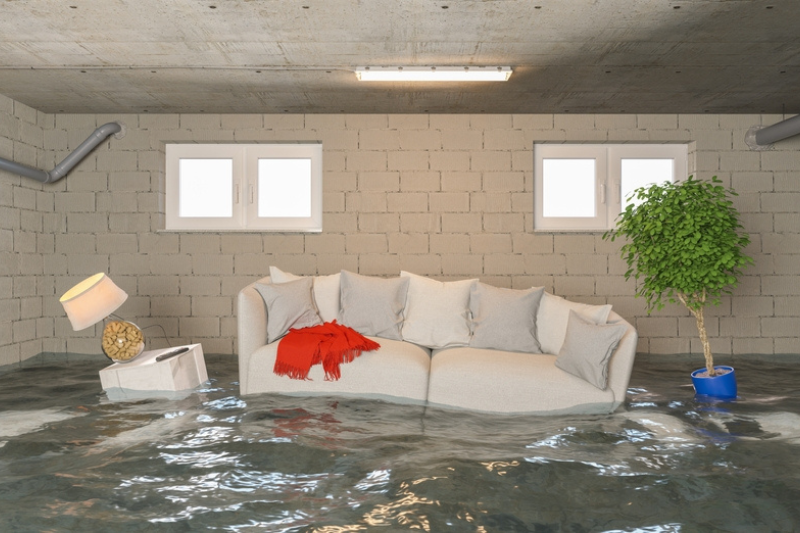
The recent heavy rainfall across the Noblesville area has caused more than a few surprises for homeowners—chief among them, dealing with a flooded basement. If you’re facing water in the lowest level of your home, take a moment to collect your thoughts. You are not alone, and, with the right plan, this problem can be managed safely and effectively. Since 1969, Summers Plumbing Heating & Cooling has been helping Noblesville families navigate emergencies just like this, and we’re ready to help you protect your home.
Need professional help with basement flooding? Contact Summers Plumbing Heating & Cooling for expert plumbing solutions in Noblesville. Get a free service call with any paid repair for a limited time only! (Terms and conditions apply).
Basement flooding can strike rapidly—sometimes with little or no warning. The causes vary, from relentless storms taxing local drainage, to rising groundwater breaching your foundation, a sump pump malfunction, or water backing up through basement drains. The steps you take immediately after noticing a flood make all the difference in minimizing damage, ensuring your family’s safety, and securing your property for the future.
Before you charge into a flooded basement, remember that water can hide a range of hazards. Electrical issues, hidden plumbing problems, and water contamination may not be obvious at first glance. Always proceed with caution.
If you’re unsure about the source of flooding or safety concerns arise, Summers Plumbing Heating & Cooling stands ready to offer swift, professional help. Whether the problem stems from a failed sump pump, blocked drain, or burst pipe, our Noblesville experts can quickly evaluate your situation and recommend effective solutions.
Essential Dos and Don’ts for Basement Flooding in Noblesville
DO: Make Safety Your Top Priority
Before salvaging items or cleaning up, carefully assess the scene. Never enter a basement where water may have reached electrical outlets, appliances, or the breaker panel. Electricity and water together are a dangerous combination. If there’s any doubt, stay upstairs and contact professionals immediately.
If you smell natural gas or have concerns about possible gas leaks, evacuate your home right away and contact the utility company or emergency services. Your safety and that of your family should always take precedence over property concerns.
DON’T: Step into Standing Water Without Assessing Hazards
Floodwater is far from harmless—it may contain raw sewage, bacteria, industrial chemicals, or debris, especially if it arrives via drain backup or sewer overflow. Minimize any direct contact. If you must enter and it’s deemed safe, wear waterproof boots, heavy gloves, and other protective gear. Keep children and pets far from the flooded area at all times.
DO: Try to Determine the Water Source
Once you’ve made sure the area is safe, identifying where the water is coming from is crucial to minimize further damage. Common causes include:
- Heavy rain or groundwater seeping through the foundation
- Overloaded or poorly functioning sump pumps
- Blockages or damage at floor drains
- Sewer and drainage system backups
- Burst interior pipes or water heater leaks
- Poor exterior drainage and clogged gutters
Differentiating between these causes helps you determine the right solution. For example, plumbing failures and rainwater infiltration require drastically different responses. If you suspect a plumbing issue, call a professional right away.
DON’T: Count on Your Sump Pump Without Double-Checking
A working sump pump is vital during storms. Unfortunately, these stressful conditions can expose weaknesses—power outages, clogged intakes, or malfunctioning float switches. If your sump pump is not working or the pit is overflowing, do not repeatedly reach into the pit. Call a licensed plumber. They can quickly diagnose and repair the issue, restoring vital protection to your basement.
DO: Stop Water at Its Source—If It’s Safe
If the flooding is caused by a busted pipe or fixture, shutting off your home’s main water valve can halt additional water from entering your basement. Every homeowner should know where the main shut-off is located before disaster strikes. Never risk safety to reach it, especially if it means traversing flooded areas or being near live wires. For flooding from rain or groundwater, focus on using sump pumps and drainage.
If you’re ever unsure whether it’s safe, err on the side of caution and call the Noblesville professionals at Summers at (317) 565-4285 for support and guidance.
DON’T: Use Electrical Tools Around Water
While it’s tempting to grab extension cords, shop vacs, or fans for quick cleanup, avoid plugging in or using any electrical appliances until flooding has completely subsided and a professional has inspected your wiring and outlets. Floods can damage electrical systems even when the water isn’t visibly high, and hidden moisture poses a lingering risk.
DO: Document the Situation for Insurance
Before beginning cleanup or discarding ruined belongings, thoroughly document all damage. Take clear photos and videos showing water levels, damage to property, affected rooms, and any evidence of mechanical failures (like pump or pipe issues). This will make working with your insurance provider much smoother and support your claim for repairs or replacements. Always contact your insurer early to understand their documentation requirements before proceeding.
DON’T: Ignore Remaining Moisture
Don’t assume the danger is past once visible water is gone. Moisture can persist in building materials, fostering mold growth on drywall, wood, flooring, and insulation. Even padded furniture and carpets can retain dangerous dampness. Proper drying requires powerful fans, dehumidifiers, and sometimes, professional assistance to fully prevent lingering hazards.
DO: Keep Tabs on Floor Drains and Sewer Issues
If water comes up from a basement drain, or you notice issues like toilets gurgling, plumbing running slow, or strong sewage smells, your sewer line could be backed up. Until a plumber inspects your system, avoid using sinks, showers, or toilets so you don’t worsen the problem.
DO: Schedule a Post-Flood Plumbing and Sump Pump Inspection
Once remediation and cleaning are complete, don’t overlook a professional review. Restarting a sump pump or mopping up does not fix underlying causes. Our Summers Plumbing Heating & Cooling specialists can confirm your sump system, drainage, and home plumbing are sound and advise on upgrades or repairs. This is critical for preventing repeat basement flooding during severe weather in Noblesville.
Proactive Measures: Protect Your Noblesville Home From Basement Flooding
While you can’t stop the rain, you can ensure your home is prepared. Test your sump pump by regularly pouring a bucket of water into the pit and watching it activate. Clean gutters and downspouts, making sure water flows away from your foundation. Consider adding a battery backup to your sump pump so you’re protected from outages.
If you experience repeated flooding, it signals underlying issues that demand thorough investigation. Enlist professional help to address these root problems, ensuring your home is safeguarded during Noblesville’s unpredictable weather.
Summers PHC: Quick, Reliable Help for Basement Flooding in Noblesville
When your basement floods, don’t wait. Plumbing leaks, sump pump failures, and backed-up drains are all common issues in the Noblesville area. The skilled team at Summers Plumbing Heating & Cooling is ready to inspect, identify root causes, and restore peace of mind to your home. Our licensed professionals offer transparent pricing and decades of experience, ensuring caring, quality service when you need it most.
Summers PHC Is Here for Noblesville Homeowners
Don’t let the aftermath of basement flooding linger. For trustworthy repairs, expert inspections, and lasting solutions, contact Summers Plumbing Heating & Cooling. Book online at this link or call (317) 565-4285 today to schedule prompt service for your Noblesville home.