

Tank vs. Tankless Water Heaters: Which Fits Your Noblesville Home Best?
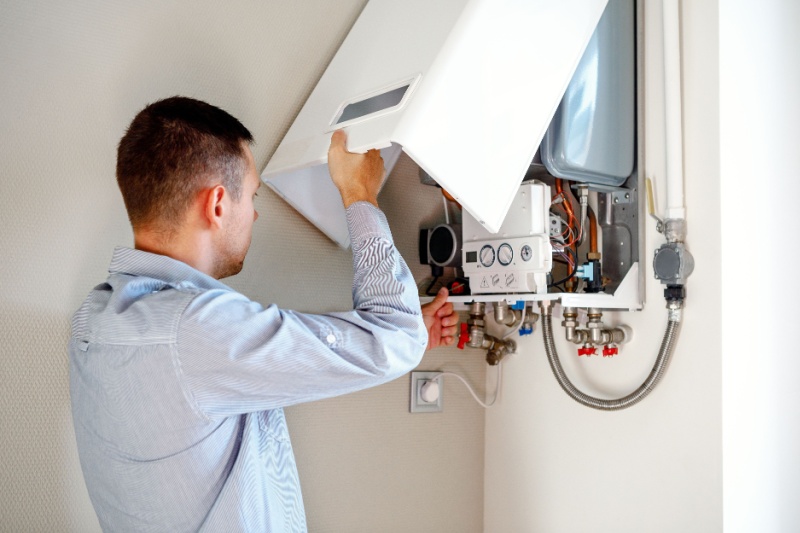
In Noblesville, having a dependable and efficient water heating system is vital year-round, especially as fluctuating weather can place extra demands on your household. When it’s time to replace or upgrade your water heater, two choices typically come to mind: the classic tank water heater or the innovative tankless model. Every family’s needs are unique, and understanding the practical differences in cost, energy use, and longevity will help guide you to the water heater that’s right for your home.
Need professional help ensuring your water heater is safe and efficient? Contact Summers Plumbing Heating & Cooling for expert water heater solutions in Noblesville. Get a $59 Water Heater Safety Inspection for this month only! (Terms and conditions apply).
Let’s take a closer look at how tank and tankless water heaters operate, what to expect regarding installation and ongoing expenses, and how these factors influence your overall comfort and savings.
Understanding How Water Heaters Work
Conventional Tank Water Heaters
Tank water heaters are a familiar sight in many homes across the Noblesville area. These systems heat and store a large volume of water, typically between 20 and 80 gallons, so hot water is available whenever you need it. When you draw hot water, cold water flows into the bottom of the tank where it is reheated and kept at a set temperature. While highly reliable, tank systems use energy continuously to maintain the stored water’s temperature, even when you’re not actively using hot water. This continuous heating leads to what are called standby heat losses, which affect overall energy efficiency.
Modern Tankless Water Heaters
Tankless water heaters, sometimes referred to as “on-demand” systems, offer a different approach. Rather than keeping a supply of hot water ready at all times, they heat only the water you need, exactly when you need it. When you turn on a hot water tap, the system detects water flow and instantly engages a powerful heating element to deliver hot water without delay. Because no storage tank is required, tankless models eliminate standby heat loss. However, they can be limited by their flow rate and, if multiple fixtures are used at once, there’s a chance you might temporarily run low on hot water.
Installation Costs and What to Expect
Upfront Investments
When it comes to installation, tank water heaters are generally the more affordable option. Purchasing and installing a traditional tank unit typically varies depending on tank size, fuel type, and labor costs. If your existing plumbing and electrical connections are already in place, replacement is usually straightforward and relatively cost-effective.
Tankless water heaters require a higher upfront investment. Total installation expenses, including the unit itself, can range. The reason for the higher cost is that these systems often require upgrades to your home, such as new gas lines, improved venting, or updated electrical wiring to accommodate their higher heating capacity. For larger homes or those with heavy hot water usage, installing two or more tankless units may be necessary, which further adds to the total project cost.
Power Usage and Operating Costs
Comparing Energy Efficiency
The initial investment in a tank water heater is lower, but these systems typically come with higher operating costs over time because of the continuous energy needed to keep water hot. In contrast, tankless water heaters usually cost less to operate, especially for homes with lower hot water demand. Gas-powered tankless models can save homeowners around $110 annually, while electric versions offer slightly smaller savings of about $45 each year. For households using less than 40 gallons of hot water daily, the energy savings can be as much as 30%. However, for high-usage homes nearing 86 gallons a day, those savings are closer to 8-14%.
Some factors can reduce the efficiency of tankless systems as well. Homes in areas with hard water, which is common around Noblesville, may see sediment build up in the heat exchanger if regular maintenance isn’t performed. This buildup can reduce energy efficiency and increase running costs, highlighting the importance of routine care for either type of water heater.
Maintenance, Lifespan, and Long-Term Value
Durability and Care Requirements
Both types of water heaters require routine maintenance to operate efficiently. Traditional tank units should have an annual flush to remove sediment and require periodic checks and possible replacement of parts like the anode rod and pressure relief valve. With proper care, tank models generally last 10 to 15 years. Repairs tend to be straightforward and relatively inexpensive.
Tankless heaters feature more complex technology but offer a longer service life—up to 20 years when maintained correctly. Maintenance includes annual descaling, especially in hard water areas, along with cleaning filters and inspecting exhaust components to prevent mineral buildup and ensure peak performance. While tankless units are more durable, skipping maintenance can lead to performance issues and a shorter lifespan.
The Financial Picture Over Time
Considering the Total Cost
Although tankless systems demand a higher initial investment, their energy savings and extended lifespan can offset the cost in the long run. The typical payback period—the time it takes for energy savings to match the added upfront cost—ranges from 9 to 14 years for most gas-fired models. Electric tankless systems can take longer to break even. If you plan to remain in your Noblesville home for many years, this long-term outlook might work to your advantage. However, it’s important to factor in both the upfront investment and any ongoing maintenance expenses when determining which system offers the best value for your household.
Which Water Heater Is Right for Your Home?
Choosing between a tank and tankless water heater in Noblesville comes down to budget, available space, and your family’s hot water needs. If your primary concern is minimizing up-front expenses and your hot water usage is steady throughout the day, a tank-style heater may be a practical solution. However, if you’re hoping to maximize energy efficiency over time, enjoy a longer-lasting system, and have the budget for a larger initial investment, tankless technology could be ideal.
Hybrid water heater models are also worth considering, as they combine aspects of both systems to optimize performance and efficiency. Consulting with a trusted plumbing professional can help clarify your options and ensure your home’s needs are met, no matter which system you choose.
Get Expert Guidance from Summers PHC in Noblesville
If you’re weighing the decision between tank and tankless water heaters, or if you want a professional assessment of your current system, Summers Plumbing Heating & Cooling offers the expertise you need. Our team will guide you in selecting and installing the most efficient solution for your home, helping you enjoy reliable hot water and greater peace of mind.
Take the next step toward enhanced comfort and savings. Call (317) 565-4285 today or schedule your service online to connect with Noblesville’s trusted water heater experts. Your home comfort is our priority, and our skilled team is always here to serve the Noblesville area.