
Secure Your Plumbing System’s Longevity With Our Easy-to-Use Maintenance Checklist
What Every Noblesville Homeowner Should Know About Spring Plumbing Maintenance
Winter may feel like a slog every year, but the cold weather is far more taxing on your plumbing system. You can keep yourself warm, but your pipes and fixtures cannot protect themselves from frigid air and snowstorms.
There are some steps you can take to maintain your plumbing in spring. These are simple tasks to keep your fixtures and pipes going. But, if you discover problems you cannot fix on your own, you should contact a professional plumber to assist you.
Do you need help to safeguard your plumbing this spring? Summers PHC is ready to assist with inspections, repairs, and maintenance. Make the most of our local specials this season, including a $59 water heater safety inspection or an incredible $500 off a tankless water heater installation. You will also get a FREE plumbing service call with any paid repair. Hurry! Limited-time offer only.
The following checklist will get you going on basic plumbing maintenance tasks in and around your home.
Checking for Winter Damage
Winter can get fairly harsh in Noblesville. And, while you may be relieved at the prospect of warmer days, rapidly increasing temperatures can take a greater toll on your home’s plumbing.
During the cold months, the ongoing freeze-thaw impact does initial damage, especially to pipes. When pipes freeze and thaw in haphazard cycles, it can weaken joints or create micro-cracks.
When the ice finally melts, the leaks will become visible. They may be too big to fix by then, so you should call a plumber.
The icy weather will also force your water heater to work overtime and expose outdoor plumbing fixtures. This can cause damage to both.
Awareness of these issues will help you target the most vulnerable areas for preventative care.
Indoor Plumbing Audit
Indoor plumbing checks should be first on your maintenance list. Look for signs of damage to pipes in the colder areas of your home. These include basements and the spaces beneath sinks. You have a leak if you see signs of discoloration or pooling water. If you cannot locate the leak, hire a plumber to assist.
If you find no evidence of leaks, ensure that the pipes in these areas are properly insulated. Insulated pipes are less likely to get damaged when the temperature fluctuates.
Protecting Your Basement
Your sump pump is the only appliance you have that can protect your basement from flooding during heavy rains. You should test your sump pump in spring (and throughout the year) to ensure it works when needed.
Pour water into the sump pit to test whether it activates. If the pump starts and discharges the water, the unit probably works fine, if it doesn’t, inspect the power connection and float mechanism.
Check the discharge line for obstructions if you still cannot find the problem. Under normal circumstances, the line should be clear and direct water away from your home’s foundation. If the line is clogged or misaligned, it may lead to water pooling.
Check that the float switch moves freely and that the sump pit is clean. If you have a backup battery, ensure it is charged and operational.
If the sump pump still does not work properly, you should call a plumber to inspect it.
Flush and Drain Your Water Heater
Your water heater is another appliance that requires extra care in the spring. Drain and flush the heater to get rid of sediment buildup. Check that the temperature is set to around 120°F to prevent overheating. If you hear rumbling or popping noises after you clean the tank, it is time to get a plumber to maintain or replace the unit.
Test and Clean Indoor Plumbing Fixtures
Focus some of your attention on often-overlooked indoor fixtures. These include toilets and showerheads. Firstly, you should check that the water pressure in your home is adequate.
If you notice low pressure, there may be a clog or leak in a pipe. In most cases, you would need a plumber to fix this.
However, low pressure could also be caused by clogs in aerators and showerheads. Clean these fixtures by soaking them in vinegar to dissolve mineral deposits. If the water flows freely afterward, you likely don’t need to do anything else.
Remember to check every toilet in your home for leaks. You will know the base of toilet leaks if pooling water is in front of or around it. If you suspect a slow leak in the tank, add food dye and check whether it appears in the bowl.
Sometimes, a slow leak is caused by a malfunctioning internal component, which is easy enough to fix. But, if the leak continues after you replace these components, call a plumber for help.
Shielding Outdoor Plumbing From Damage
Do not neglect to maintain your outdoor plumbing fixtures. Insulated covers may have sustained damage during winter if they do not protect your outdoor faucets and hose bibs.
Look over all your bibs and faucets and check for freeze damage, cracks, and leaks. If you find any, have it fixed immediately.
Check the water flow to your outdoor faucets by opening each one slowly. If the flow is erratic, there may be hidden damage that must be addressed.
If you are having consistent issues with your fixtures, it may be worth replacing them with weather-resistant models instead of trying to repeatedly fix them.
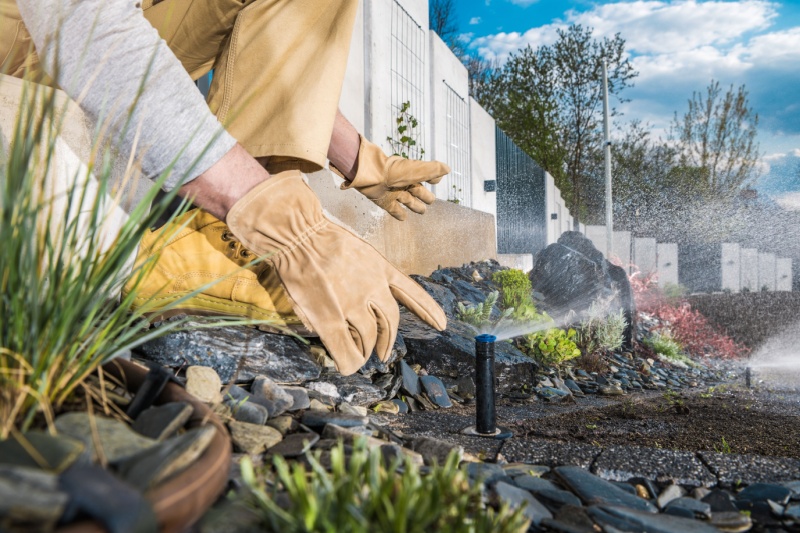
You should also check your sprinkler system for damage if you have one. Also, ensure that your gutters and downspouts are clean so rainwater is directed away from your home.
Summers PHC Can Help You Tailor Your Maintenance Strategy
The team at Summers Plumbing Heating & Cooling is always ready to give advice and help with repairs or maintenance in your Noblesville home. Develop a personalized maintenance plan with Summers PHC and keep your plumbing system healthy for many years.
Find out more by calling 317-565-4285 or booking a service online. Remember to check out our local specials for Noblesville homeowners.