

Tank vs. Tankless Water Heaters: Deciding What’s Best for Your Lafayette Home
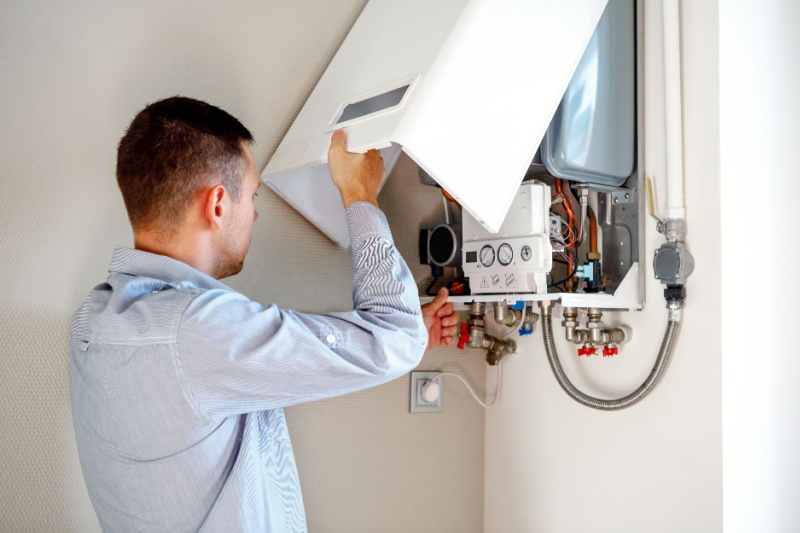
Choosing the right water heater for your Lafayette home can have a significant impact on both your comfort and your utility bills. Whether you are looking to replace an aging water heater or exploring an upgrade for better efficiency, the two primary options available are tank and tankless water heaters. Each system brings its own set of benefits and considerations regarding installation costs, energy efficiency, and long-term performance. This guide provides an in-depth comparison to help you determine the best fit for your household’s needs.
Need professional help ensuring your water heater is safe and efficient? Contact Summers Plumbing Heating & Cooling for expert water heater solutions in Lafayette. Get a Water Heater Safety Inspection for just $59 this month only! (Terms and conditions apply).
Understanding Different Water Heater Systems
Traditional Tank Water Heaters
Tank water heaters remain a common choice for homes throughout the Lafayette area. These systems store a substantial volume of hot water, typically ranging from 20 to 80 gallons, which remains heated at all times. As soon as you turn on your faucet or shower, hot water is delivered directly from the tank. However, this constant readiness results in standby heat loss, as the water cools in the tank and must be reheated even when not in use, leading to higher energy consumption over time.
Tankless Water Heaters
Tankless water heaters offer a modern alternative by heating water only when you need it. Instead of keeping a supply of hot water on standby, these units use a heat exchanger to warm water instantly as you turn on the tap. This on-demand approach minimizes energy waste. However, tankless systems can experience challenges if your household requires high volumes of hot water at the same time, as the unit may struggle to keep up. Over the years, mineral deposits may build up inside the heat exchanger, which requires regular maintenance to prevent efficiency loss.
Installation Requirements and Upfront Investment
One major distinction between tank and tankless systems lies in the costs and complexity involved in installation.
Tank Water Heaters
Traditional tank water heaters are popular in part due to their affordability and straightforward installation process. With the necessary utility lines and venting already in place, replacing or installing a tank model is typically budget friendly. This makes it an accessible option for many Lafayette homeowners, especially those replacing an existing tank heater.
Tankless Water Heaters
Tankless systems come with a higher initial cost. Because these require more sophisticated venting, upgraded gas supplies, or enhanced electrical circuits, you may incur additional retrofit expenses. In homes with heavy hot water requirements, more than one tankless unit might be needed to meet demand, which further increases the upfront expenditure.
Energy Efficiency and Utility Costs
Energy consumption is a critical factor, especially as utility rates rise.
Tank-style water heaters continually reheat water, leading to higher bills because of the standby losses. In comparison, tankless water heaters have the potential to save considerable energy, particularly for households with moderate hot water demands.
Tankless water heaters can save households about $110 a year with gas models and around $45 with electric models. If your family uses roughly 40 gallons or fewer of hot water daily, tankless units may cut your energy bills by about 30%. Larger households using more hot water will see smaller percentage savings, typically from 8% to 14%.
Water quality in the Lafayette area can also influence energy efficiency. Homes with hard water may see decreased performance in tankless heaters if regular descaling is not performed, which can diminish anticipated savings and efficiency.
Maintenance Requirements and System Longevity
Regular care and maintenance are essential to keep either system running safely and efficiently.
Maintaining Tank Water Heaters
Tank water heaters generally call for basic maintenance like yearly flushing to prevent sediment buildup, routine inspection and replacement of the anode rod, and checks on the pressure and temperature relief valve. Fortunately, repairs are fairly straightforward, and parts are readily accessible. With consistent maintenance, these water heaters often last 10 to 15 years.
Maintaining Tankless Water Heaters
For tankless systems, annual descaling and flushing are critical to preventing mineral deposits from accumulating in the heat exchanger. Filters should also be cleaned or changed on a routine basis. Provided these steps are followed, tankless water heaters can operate efficiently for up to 20 years, but neglect can result in system inefficiency or failure much sooner.
Total Cost Considerations and Payback Timeline
Although tankless water heaters offer impressive energy savings and longer lifespans, their higher upfront costs mean the payback period can extend over many years. Industry data suggest that recouping the initial investment on gas-powered tankless units often takes between 9 and 14 years, with electric models possibly taking longer. If you don’t anticipate remaining in your Lafayette home for that duration, the traditional tank model may make more financial sense.
Choosing the Best Water Heater for Your Home
Selecting between a tank and tankless water heater comes down to your household’s needs, your budget, and your long-term plans.
A tankless water heater could be the smartest choice if you want to maximize energy savings, can manage the higher upfront cost, and plan to remain in your home for more than a decade. These units are also ideal if you need to save space or your home has the infrastructure for a tankless installation.
Conversely, a tank water heater might be better suited if minimizing initial investment and enjoying simpler installation or lower repair costs are top priorities. Households with especially high and simultaneous hot water requirements may also prefer the reliability and output of traditional tank systems.
Sometimes, a hybrid system that blends aspects of both approaches may be the most effective solution. Consulting a licensed plumber will help you assess options that align with your goals, your property, and the unique water demands of your Lafayette home.
Summers Plumbing Heating & Cooling Helps You Decide
Still weighing your options? The experts at Summers Plumbing Heating & Cooling are ready to assist. We provide thorough assessments and clear recommendations tailored to your needs. Whether you’re replacing an outdated system or considering an energy-efficient upgrade, our trusted team has the expertise to guide you from selection to installation.
Take the next step toward reliable hot water comfort in your home. Explore our online specials, or reach out with questions.
Schedule your service today through our service request form or call us at (765) 310-3076 to receive expert water heater solutions for your Lafayette home. Your satisfaction and safety are always our highest priority.