

Steps Homeowners in Lafayette Should Follow When the Basement Floods
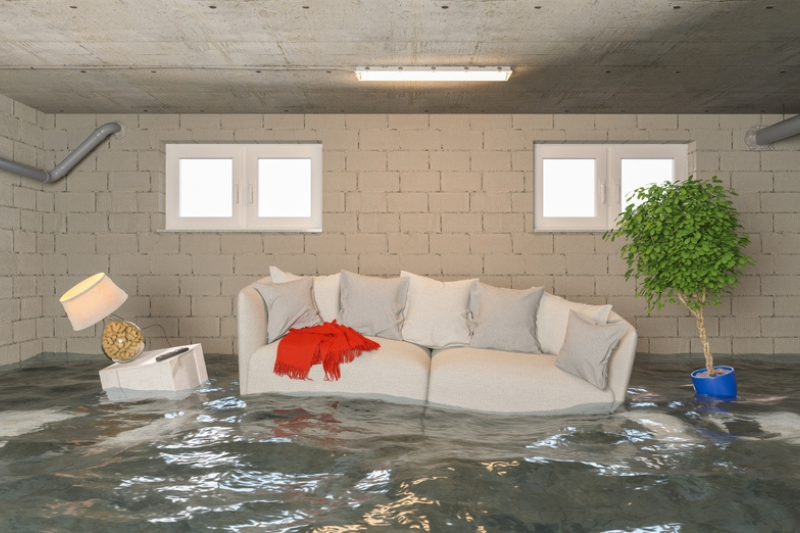
Steps Homeowners in Lafayette Should Follow When the Basement Floods
With recent heavy rainfall causing issues for the Lafayette area, many residents are now confronting the stressful reality of a flooded basement. Such incidents can be alarming, but knowing how to respond quickly and carefully can help reduce damage and make recovery easier. At Summers Plumbing Heating & Cooling, our experienced team has supported local families since 1969 and remains ready to assist Lafayette homeowners with urgent plumbing emergencies, including basement floods.
Need assistance with plumbing repairs in Lafayette? Contact Summers Plumbing Heating & Cooling for expert solutions! For a limited time, we are offering a Free Service Call with any paid repair. Terms and conditions apply.
Basement floods often happen unexpectedly, whether from sudden storms, oversaturated ground, failing sump pumps, or unforeseen water backups. Acting quickly and wisely during the first few hours is key to keeping your property clean, safe, and structurally sound.
While it can feel overwhelming to discover water where it shouldn’t be, the most important thing is to approach the situation with caution. Floodwaters may conceal dangers—from electrical hazards to unseen contaminants—so it’s vital to assess the risks before taking any action.
DO: Prioritize Safety First
Before worrying about your belongings or waterlogged carpets, make sure it’s safe to enter the basement. Water that has reached outlets, appliances, or the circuit panel presents a serious risk of electrical shock. If there is even a possibility that the water has come into contact with live electricity, stay out of the area until a professional confirms it is secure. Additionally, if you ever smell natural gas, leave your home immediately and call the professionals to assess the threat. When in doubt, always wait for expert guidance before re-entering a flooded space.
DON’T: Enter Standing Water Without Protection
Floodwater can conceal more than just rain—it may carry contaminants like sewage and hazardous chemicals. In Lafayette, aging sewer systems mean stormwater sometimes mixes with wastewater, making it even more important to avoid direct contact. If you must inspect, wear waterproof boots and gloves, and keep children and pets away from the affected area for their safety.
DO: Identify the Source of the Water
Once you’ve ensured your safety, determining where the water is coming from should be your next priority. Flooding could result from a range of sources, such as heavy rains overwhelming outdoor drainage, malfunctioning sump pumps, clogged drains, sewer backups, or leaking pipes and appliances. Pinpointing the origin will help you decide what kind of intervention is required. For plumbing-related problems, it’s crucial to contact a licensed plumber as soon as possible to prevent additional water damage.
DON’T: Attempt Electrical Repairs Yourself
It’s tempting to try to fix your sump pump or reset breakers when equipment isn’t working. However, never perform electrical work or attempt to repair appliances in a wet environment. Wet flood zones pose significant shock hazards. Allow a trusted professional to safely troubleshoot sump pumps, outlets, or any affected wiring before any further action is taken.
DO: Stop the Water Source If Possible
If you can safely access the main water shutoff, turning off your water supply will limit ongoing damage from burst pipes, faulty hoses, or leaking plumbing fixtures. Every homeowner should know where their water shutoff valve is located. However, don’t risk your safety just to reach it—if the shutoff is surrounded by water, wait for help from a professional. If flooding is due to outside water, then focus on removing water and keeping further rain from heading toward your home.
DON’T: Use Electrical Equipment in Flooded Areas
It might seem wise to use fans, wet/dry vacuums, or dehumidifiers for cleanup, but using electric devices near standing water is extremely unsafe. Wait for a professional assessment before plugging anything in, and always verify outlets and cords are completely dry before use, even after the water has receded.
DO: Document the Flood Damage
Before beginning any cleanup efforts, take detailed photos of the water damage. Be sure to document water levels, affected structural areas, damaged personal property, and any appliances or plumbing that may have contributed to the flood. Clear visual records will aid your homeowner’s insurance claim and simplify your recovery process.
DON’T: Ignore Post-Flood Issues
Just because the visible water is gone doesn’t mean your troubles are over. Basement floods leave behind lingering moisture that can hide in floors, walls, and insulation, encouraging mold and mildew growth. Upholstered items, carpet, drywall, and similar materials often need to be dried extensively or replaced completely to prevent persistent health and structural problems. Skipping a thorough cleanup puts your home at higher risk for long-term air quality and moisture issues.
DO: Check and Maintain Drains and Sewer Connections
If you notice water pooling from floor drains, slow draining fixtures, or sewage odors, you might have a sewer or drain blockage. Avoid using the plumbing system until the issue is assessed—additional usage could worsen the flooding. A professional inspection will help clear hidden blockages and identify sewer line issues common in Lafayette homes.
DO: Schedule a Post-Flood Plumbing and Sump Pump Inspection
After cleaning up, have your plumbing system and sump pump professionally inspected. Recurring problems might mean your sump pump is underpowered, its intake is blocked, or your discharge lines are obstructed. Professionals will check for underlying drainage or plumbing concerns and recommend solutions that strengthen your home’s defenses against future floods.
Preventing Future Basement Floods in Lafayette
While no homeowner can control Lafayette’s unpredictable weather, proactive maintenance can minimize your risk of flooding. Regularly test your sump pump, confirm that discharge lines are clear and extend well away from your home, and keep gutters and downspouts free of debris. Consistent monitoring and maintenance are key strategies for reducing the risk of basement floods, especially during heavy storms.
If you notice repeated issues or unexplained water entry, consider scheduling a professional evaluation to investigate deeper causes and develop a comprehensive protection plan for your property.
Trust Summers Plumbing Heating & Cooling for Flood Help in Lafayette
The recent storms have underscored just how vulnerable local homes can be to basement flooding. Whether your sump pump failed, drains backed up, or plumbing woes caused water to collect in your basement, Summers Plumbing Heating & Cooling is ready to assist. Our experienced team offers thorough inspections and effective solutions designed to restore your basement quickly while safeguarding your home’s long-term health. We are committed to providing honest, reliable service the Lafayette community can trust.
Get Your Basement Back to Normal with Summers PHC
Don’t wait to address basement flooding or plumbing problems in your Lafayette home. Take advantage of our expertise and book a prompt repair or maintenance service with our friendly professionals. Call (765) 310-3076 or schedule service online now to secure your appointment and restore peace of mind.