

Proactive Water Heater Maintenance: Avoid Failures from Rising Groundwater Temperatures in Elkhart
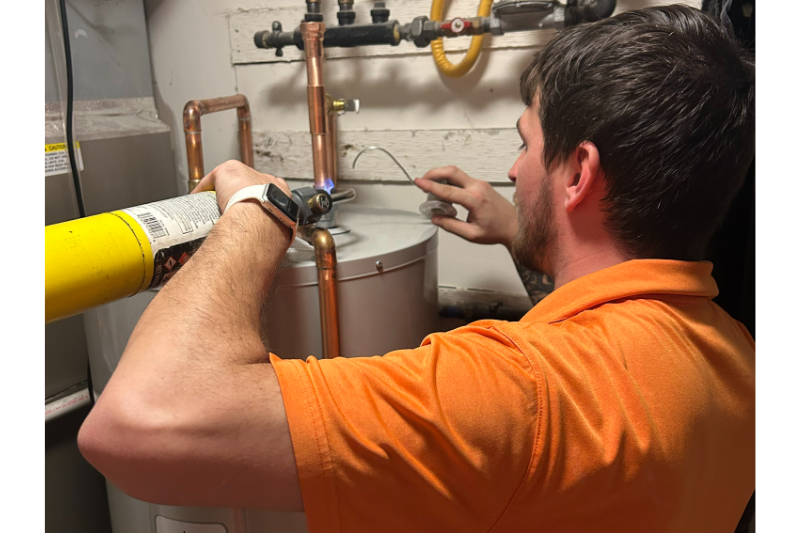
In the Elkhart area, homeowners are well-versed in the struggles that cold winters can bring, from frozen pipes to increased plumbing repairs. But as the weather begins to warm and spring settles in, a new set of plumbing challenges often emerges—especially for your water heater. During these seasonal shifts, the hidden effects of rising groundwater temperatures can put unexpected stress on your home’s plumbing system and may lead to water heater failures just as you need reliable hot water for cleaning and bathing.
Need professional help with your water heater? Contact Summers Plumbing Heating & Cooling for expert plumbing solutions in Elkhart. Get a $59 Water Heater Safety Inspection this month only! (Terms and conditions apply).
Why Warming Groundwater Matters for Your Water Heater
Each spring, as the earth thaws and daytime temperatures rise, the water entering your home begins to warm up gradually. While these small shifts may go unnoticed, the impact on your water heater can be significant. After enduring months of processing cold groundwater, your unit may not adapt smoothly to warmer incoming water, and the resulting pressure and temperature changes can intensify wear on essential components.
Taking proactive steps, like scheduling a professional plumbing inspection in your Elkhart home during this key transition, is essential. An early spring inspection will identify minor issues before they escalate, helping you avoid expensive repairs or sudden breakdowns.
The Real Risks of Fluctuating Groundwater Temperatures
Warming groundwater presents a few specific dangers to your water heater—especially when mineral-rich water (hard water) flows into your tank. As temperatures rise, water tends to dissolve and carry more minerals, like calcium and magnesium, which can deposit inside your heater and accelerate the aging process of your equipment.
Accelerated Mineral Buildup
When hot water dissolves minerals more efficiently, it results in heavier scaling inside the water heater. Over time, these deposits can accumulate on the heating elements and surfaces inside the tank, creating a hard, insulating layer that interferes with heat transfer. This condition forces your heater to work harder, boosting energy consumption and leading to early equipment failure.
Decreased Efficiency and Overheating
As sediment and mineral scale collect, especially on the bottom of the tank, your water heater’s efficiency takes a serious hit. The system struggles to heat water evenly, resulting in longer wait times, increased bills, and even the risk of overheating and damaging the tank.
Internal Corrosion and Hidden Leaks
The combination of hot water, mineral build-up, and expansion can create microscopic pockets of superheated water and accelerate internal tank corrosion. Given enough time, this process causes pitting and weak spots, raising the risk of leaks and full-blown system breakdowns.
Heightened Pressure From Rapid Heating
Warm groundwater entering your system heats up quickly, causing excessive pressure within the tank. This added strain can harm connections, valves, or the tank itself, putting your home at risk for sudden plumbing emergencies.
DIY Spring Maintenance Tips for Your Water Heater
While professional inspections are essential, some simple, at-home maintenance can make a meaningful difference as you transition into spring. Here are several important checks you can perform yourself:
If you notice dampness or small puddles around your water heater’s base, or beneath nearby sinks and behind toilets, address them immediately. Early intervention can prevent small leaks from becoming big problems.
Keep an eye on your walls, especially in areas near pipes and plumbing fixtures. Water stains, soft spots, or unexplained moisture may signal hidden leaks that could impact your system’s stability.
Testing your home’s water pressure is also helpful. Attach a simple pressure gauge to an outdoor spigot to ensure your pressure reads between 40 and 60 psi. Anything outside this range may warrant further investigation.
Flushing Out Sediment for Optimal Water Heater Performance
One of the best ways to extend the life of your water heater is by performing a thorough tank flush. Over time, sediment and deposits settle at the bottom of the tank, causing rumbling noises and forcing the unit to overwork just to heat your water. Flushing clears these deposits, restoring peak efficiency.
Start by disconnecting the power supply—either by switching off the breaker for electric models or turning off the gas supply for gas models. Attach a garden hose to the drain valve at the bottom of the tank and direct the other end into a basement drain or outside. Open the valve and allow water to flow until it runs clear, indicating that most sediment has been removed. This simple habit, performed annually, can greatly reduce your risk of overheating, corrosion, and premature replacement.
Extending Water Heater Life: Protecting Against External Moisture
The spring thaw in Elkhart often brings excess humidity and increased basement moisture, both of which can harm your water heater’s exterior. Elevated humidity and pooled water around the base may cause rust or corrosion, jeopardizing your water heater’s safety and reliability.
To defend against these risks, make sure that your home’s gutters and downspouts are free from blockages so rainwater and melt-off are diverted away from your foundation. Inspect the area surrounding your water heater for signs of excess moisture. Installing a sump pump or regularly checking the one you already have is also an excellent prevention tool. To check, pour a bucket of water into the sump pit and ensure it activates automatically. This precaution will keep your basement—and your appliances—dry and safe from flooding or electrical damage.
The Importance of Professional Water Heater Inspections in Elkhart
While regular DIY checks and maintenance go a long way toward ensuring water heater performance, a professional safety inspection provides true peace of mind. Expert plumbers understand how seasonal groundwater temperature changes impact your equipment and can detect subtle signs of wear, scaling, or pressure issues that homeowners may miss.
Summers Plumbing Heating & Cooling’s $59 Water Heater Safety Inspection is designed to safeguard your investment during the spring thaw. Our technicians offer expert maintenance, honest guidance, and tailored solutions to keep your water heater running efficiently.
Book Your Elkhart Water Heater Service Today
Don’t wait for a breakdown or costly repair to disrupt your comfort this spring. Protect your investment and ensure reliable hot water in your home. Contact Summers Plumbing Heating & Cooling at (574) 203-9147 or schedule a service online at for dependable water heater maintenance and inspection. Our skilled Elkhart technicians will help you beat the risks of changing groundwater temperatures and enjoy worry-free hot water all season long.