


Handling a Flooded Basement: Dos and Don’ts for Bloomington Homeowners
Handling a Flooded Basement: Dos and Don’ts for Bloomington Homeowners
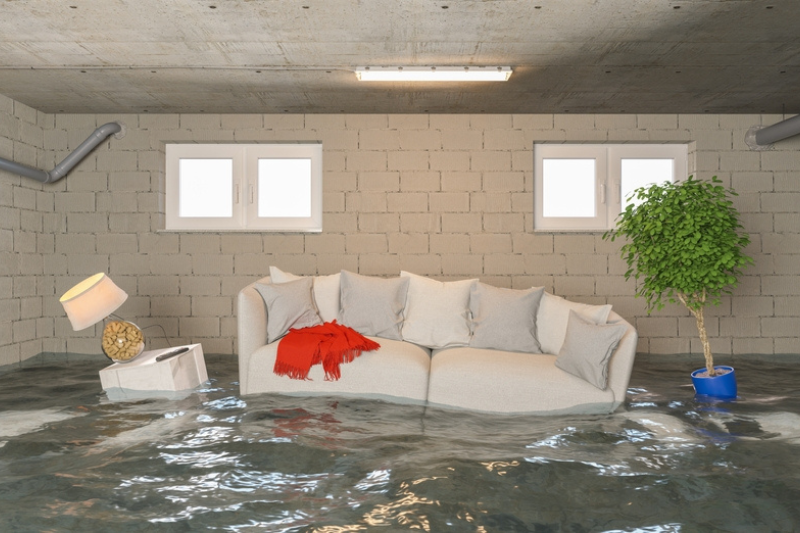
Heavy rainfall in the Bloomington-Normal area can lead to a homeowner’s nightmare: a flooded basement. When faced with this stressful situation, it is important to remain calm and remember that there are actionable steps you can take. Since 1969, Summers Plumbing Heating & Cooling has been a trusted resource for addressing emergency plumbing issues and supporting local families when unexpected flooding strikes.
Need professional help with your plumbing repairs? Contact Summers Plumbing Heating & Cooling for expert solutions in Bloomington. Get a Free Service Call with Paid Repair for this month only! (Terms and conditions apply).
Stay Safe Above All Else
Before attempting to address water damage or salvage belongings, your first priority should always be safety. Water and electricity can be a deadly combination, especially if floodwaters have reached electrical outlets, utilities, or nearby appliances. Do not re-enter a flooded basement until you are sure there is no risk of electrical shock. If you smell gas or suspect any gas line or appliance damage, evacuate your home and contact a professional immediately. When electrical safety is uncertain, do not attempt to reach the breaker panel through high water or use any electrical devices.
It is vital to wait for a professional to inspect your basement and confirm it is safe to enter if there are any concerns. Taking unnecessary risks can endanger everyone in the home.
Consider the Source and Safety of the Water
Floodwater is not always clean rainwater. Depending on the flooding source, your basement could be exposed to sewage, bacteria, or other dangerous contaminants. Sewer backups are particularly hazardous, posing health threats from harmful microorganisms. If you must go into the basement, wear waterproof boots and gloves, and minimize contact with any standing water. Keep children and pets far from all flooded areas to prevent exposure to harmful substances.
Identify the Source of Flooding
Once you have ensured safety, the next step is to determine where the water is coming from. Common causes of basement flooding in Bloomington include:
- Heavy rainfall and groundwater infiltration
- Sump pump failures or power outages
- Blocked or malfunctioning floor drains
- Sewer line backups
- Burst pipes within the plumbing system
- Leaking water heaters or fixtures
- Poor exterior drainage or blocked gutters
Pinpointing the water’s origin can help guide your response. If the issue appears to be related to plumbing or a faulty sump pump, call a professional plumber as quickly as possible.
Avoid Relying Solely on Your Sump Pump
The sump pump is essential when storms hit the Bloomington area, but heavy rainfall often reveals hidden issues. Sump pumps can stop working due to power loss, clogged drain pipes, broken float switches, or simple wear and tear. If your sump pit overflows or your pump fails to activate, do not attempt repairs yourself—standing water is dangerous, and improper fixes can lead to greater damage. Have a qualified plumber inspect the system for safe and effective operation.
Safely Shut Off Water If Needed
If the flooding is due to a burst pipe, quick action is needed. Turn off your home’s main water valve to minimize ongoing damage, but never walk through standing water to do so, especially if electrical panels or devices are nearby. For flooding from external water sources like rainfall or sewer backup, shutting off the main valve will not halt the problem. Instead, rely on professionals to address the water entry and manage sump pumps and drainage systems.
Use Electrical Devices With Caution
Do not use electrical appliances or attempt to plug in equipment like wet/dry vacuums or fans in a flooded basement until it is completely safe. Appliances that have come into contact with water should be professionally inspected before use to avoid electrical hazards. Never assume a tool is safe because it looks dry on the outside.
Document Damage for Insurance
Before starting cleanup, thoroughly document all damage with photographs and video. Capture images of the highest water level, affected walls, floors, furniture, appliances, sump pump, and all visible points where water entered. Accurate documentation will simplify your insurance claims process and speed up approval for repairs and reimbursements. Contact your insurance provider early to understand the evidence they require.
Continue Cautious Cleanup Even After Water Drains
Once visible water has drained from the basement, moisture may still linger within walls, floors, and insulation, creating a risk for mold. Porous materials such as drywall and carpeting often must be dried thoroughly or replaced to prevent future infestations. Effective drying and professional water extraction are crucial steps to secure your property and maintain indoor air quality.
Monitor Drainage and Sewer Systems
If water rises up through drains rather than infiltrating through walls or windows, this could indicate blockages or sewer backups. Listen for unusual noises like gurgling or notice if water drains slowly or odors emerge from fixtures. Stop using sinks, toilets, and washing machines if you observe these signs, and call for professional plumbing assistance immediately.
Maintain Plumbing and Sump Pump Systems
After your basement is dry, it is important to uncover the source of the flooding and make necessary repairs. Issues like undersized sump pumps, blocked drains, faulty float switches, or defective check valves can be recurring if left unchecked. Schedule a comprehensive plumbing inspection so professionals can identify vulnerabilities and offer targeted solutions to prevent repeat incidents.
Protect Your Basement From Future Floods
Bloomington weather can be unpredictable, but proactive care can go a long way in minimizing flood risks. Regularly test your sump pump by adding water to the pit, clean debris from the pit and discharge lines, and consider upgrading to a battery-backup system to ensure functionality even during power outages. Check that all gutters and downspouts redirect rainwater safely away from your foundation. If your basement has a history of chronic flooding, consult with a local plumbing expert for a thorough evaluation and professional advice.
Summers PHC Stands By Bloomington Homeowners
Frequent storms and rainy seasons in the Bloomington-Normal area place basements at ongoing risk for flooding. Whether you are dealing with a sump pump that will not turn on, a sewer backup, or an unexplained leak, you do not have to face it alone. The experienced team at Summers Plumbing Heating & Cooling provides prompt plumbing diagnosis, trusted repairs, and ongoing maintenance for homeowners throughout Bloomington.
When you need peace of mind and expert support, count on our skilled, background-checked professionals and decades of community experience. For reliable basement flood assistance, preventive inspections, or help with urgent plumbing repairs, we are ready to help protect your home.
Schedule Your Service With Summers PHC Today
Do not let basement flooding undermine your home’s safety or comfort. Trust your local specialists to address plumbing emergencies and help safeguard your property for the future. Make the most of our current specials and get fast, reliable service—call (309) 319-9009 or schedule your appointment online with Summers Plumbing Heating & Cooling in Bloomington-Normal.