

How to Prevent Frozen Pipes in Winter: A Homeowner’s Guide
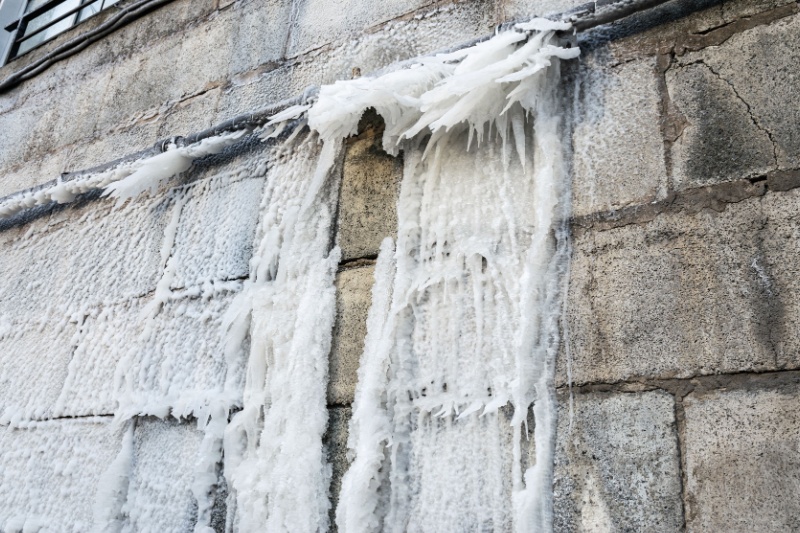
Winter in Bloomington-Normal means freezing temperatures, snow, and wind. These extreme weather conditions often spell trouble for homeowners. Frozen pipes are one of the most common issues homeowners face during the cold months.
When the water inside pipes freezes and expands, it can cause a blockage or burst pipes. The result is a plumbing emergency, causing expensive water damage and a massive headache for the homeowner.
If you own a home in Bloomington-Normal, you may be used to the weather but unprepared for the damage it may cause to your pipes. The following guide will help you understand how to prevent frozen pipes. You will also learn what to do if your pipes are frozen.
| Protect your home this winter. Get a FREE plumbing service call with paid service when you call Summers Plumbing Heating & Cooling for a pipe inspection. Limited time offer! |
Understanding How Pipes Freeze
It is important to know why and how pipes freeze. When temperatures drop below 32°F, water can freeze inside your pipes. While the water freezes, it also continues to expand the same way that ice does in your freezer.
The ice blocks in your freezer do not cause damage because they are not in an enclosed container. When the water in your pipes freezes and expands, the pressure on the pipe walls increases because of the enclosed space.
This pressure can build up to the point where it causes a pipe to crack or burst. When the ice melts, it results in significant water damage.
The temperatures in Bloomington-Normal often dip below freezing, making your home vulnerable. Some areas of your home may be more at risk, including the following:
- Outdoor pipes. These include garden hoses, exterior faucets, and sprinkler systems directly exposed to the weather. Pipes running along exterior walls or through kitchen cabinets can also freeze.
- Uninsulated areas. If your basement, attic, or garage is not sufficiently insulated, the pipes there are at risk of freezing.
- Poorly heated spaces. Inadequately heated basements and other poorly heated spaces are also vulnerable to having frozen pipes.
Preventative Measures to Protect Pipes
Preventing your home’s pipes from freezing is possible by taking the necessary precautions as winter approaches.
- Insulate exposed pipes. One of the easiest methods to protect pipes is to insulate them. Exposed pipes are automatically vulnerable to cold temperatures. You can sufficiently protect them by insulating them with pipe sleeves, foam, or heat tape. Focus on pipes in basements, attics, and crawl spaces and pipes in cooler or uninsulated areas in your home. Do not forget about outbuildings like barns and workshops. Invest in insulated covers for your outdoor faucets and hose bibs.
- Heat your home consistently. It is critical to heat your home consistently, even if you are away. Your thermostat should be at a minimum of 55°F to prevent freezing. If the cold weather becomes severe, maintain a higher temperature.If you want to protect an unoccupied property, consider installing a smart thermostat. Smart thermostats are remotely operated so that you can monitor the temperature from anywhere.
- Seal all openings and cracks. Never ignore small cracks or openings throughout your home. Cold air quickly seeps in through gaps around windows, doors, and walls. When this happens, the temperature inside can drop dramatically, increasing the risk of frozen pipes. Use caulking in the stationary parts of your home and weather stripping in the movable parts when sealing openings. Also, focus on areas where pipes enter your home, including utility entrances and exterior walls.
- Let the faucets drip. Allowing a steady but small drip from faucets connected to exterior-facing pipes will keep water moving. This reduces the chance of freezing. Ideally, you want to let faucets drip in kitchens, bathrooms, and those connected to utility sinks in cold areas of your home.
Special Considerations for Outdoor Pipes
You should take extra precautions for your outdoor pipes and fixtures if possible. These include:
- Draining outdoor faucets and disconnecting garden hoses. Before the cold sets in, drain all outdoor faucets and disconnect hoses. If you leave a hose connected, leftover water can freeze and expand. This can cause damage to both the hose and faucet. It may also cause flooding when you turn on the hose in the spring.
- Insulate outdoor spigots with faucet covers. Outdoor spigots are exposed to harsh weather and need extra protection. Insulated faucet covers can shield them from extreme cold. These covers are easy to install and protect spigots by creating a barrier between the cold air and the faucet.
- Winterize irrigation systems: Shut off all irrigation systems and drain them. Residual water can freeze, damaging these systems.
What to Do If a Pipe Freezes
If you suspect a pipe has frozen, you must act quickly to prevent extensive damage. The following steps can help you manage the situation safely:
- Turn off the water supply. When you shut off the main water supply, you prevent more water from running through the pipe. This helps prevent flooding and water damage when the ice melts.
- Thaw the pipe slowly. After shutting off the water, use gentle heat to warm the pipe slowly. You can use a heating pad or a space heater. Wrap the pad around the frozen section, but keep it at a low heat. If you use a space heater, put it some distance away so the pipe does not heat too quickly. Never use an open flame to try to heat a frozen pipe. This can cause extensive damage or even start a fire.
- Call a professional plumber. If the pipe does not thaw, call a professional plumber. Leaving the pipe frozen can cause significant water damage when it eventually begins to thaw. The pipe can also burst, causing even more problems.
Proactive Measures Can Help Protect Your Home
Being proactive about winterizing your pipes can protect your Bloomington-Normal home and save you money. Insulating pipes, sealing gaps and cracks, and preparing outdoor faucets can greatly reduce the risk of frozen pipes this winter.
Don’t wait. The sooner you start, the more protected your plumbing will be, even as the temperatures drop.
Protect Your Pipes with Help from Summers PHC
Don’t let frozen pipes catch you off guard! Schedule annual maintenance with the experts at Summers Plumbing Heating & Cooling. We’ll keep your Bloomington home’s plumbing running efficiently and help extend its lifespan. Take advantage of our local specials – Call us at 309-319-9009 or request service online.