


How to Maximize Heat Pump Efficiency in Winter for Anderson Residents
How to Maximize Heat Pump Efficiency in Winter for Anderson Residents
As winter temperatures settle over Anderson, keeping your home cozy and comfortable becomes more important than ever. Heat pumps are rising in popularity for their ability to efficiently heat and cool homes all year long. However, the cold Anderson winters can present unique challenges for your heat pump’s performance. This guide will help you enhance your heat pump’s winter efficiency, understand system nuances, and get the most out of year-round comfort.
Need professional help with your heating system? Contact Summers Plumbing Heating & Cooling for expert solutions in Anderson. Get your $69 Heating Tune-Up now! (Terms and conditions apply).
Understanding How Heat Pumps Work
Heat pumps offer an all-in-one solution for both heating and cooling. Unlike traditional systems that generate heat, heat pumps move existing heat from one place to another. During winter months, a heat pump extracts warmth from the outdoor air—no matter how chilly it feels—and transfers it inside to heat your home. When summer arrives, it reverses, pulling heat from your interior and releasing it outdoors to keep things cool. Because they transfer heat rather than create it, heat pumps are more energy-efficient and environmentally friendly than most conventional heating and cooling systems.
Effects of Anderson Winters on Heat Pump Performance
Winters in the Anderson area can bring about significant dips in temperature. Even when outdoor conditions are frigid, there’s still some heat present for your heat pump to utilize. That said, the colder it gets, the harder your system has to work to extract enough warmth to keep your home comfortable. This added strain can make your heat pump less efficient and reduce its overall heating output.
Some modern “cold climate” heat pumps are built to deliver efficient heating even in freezing temperatures. It’s a good idea to consult your system’s manual or a trusted technician to understand the limits of your current unit. In particularly harsh cold spells, a heat pump may need supplemental heating to maintain the desired indoor temperatures.
Auxiliary Heating and Its Importance
Auxiliary heating systems act as a backup for your main heat pump. When outdoor temperatures drop extremely low and your heat pump struggles to provide enough warmth, the auxiliary system—often electric resistance heaters—kicks in to help. You may also notice auxiliary heat running during automatic defrost cycles. These cycles are necessary when frost or ice accumulate on the outdoor heat pump coils, allowing the system to briefly use backup heat while it clears away the ice.
It’s normal for auxiliary heat to activate occasionally during especially cold or icy weather, but if your heat pump seems to rely on its backup too often or fails to regulate indoor temperatures, that’s a sign it could need professional attention.
Tips for Improving Heat Pump Efficiency During Winter
Staying warm through Anderson’s winter doesn’t have to mean high energy costs or discomfort. With a few proactive steps, your heat pump can perform optimally all season long:
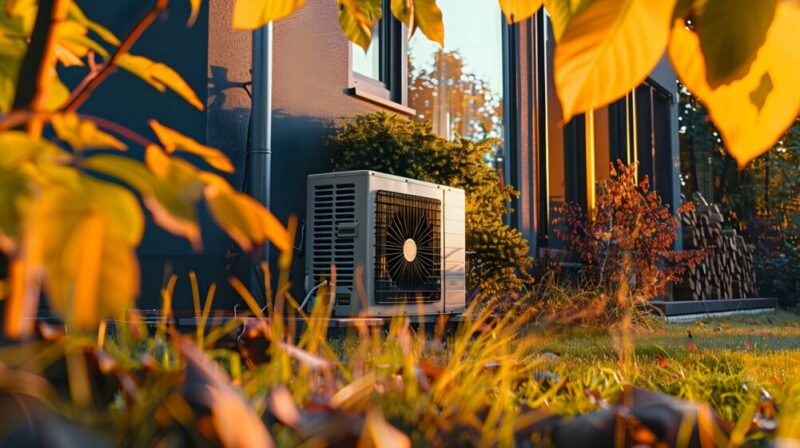
- Maintain Clear Airflow Around the Outdoor Unit: Snow, ice, leaves, and debris can block your heat pump’s outdoor component. Keep the area clear to ensure the unit “breathes” freely and operates efficiently.
- Keep Filters Clean: Dirty or clogged air filters restrict airflow, forcing the system to work harder. Check your filters monthly during high-use periods and replace or clean them as needed.
- Don’t Block Vents: Make sure all indoor vents remain open and unobstructed by furniture, rugs, or drapes for even heat distribution throughout your home.
- Set Your Thermostat Wisely: Big temperature swings can overwork your heat pump. Keep your thermostat at a consistent setting for steady comfort and energy savings. Programmable thermostats can help simplify this process.
- Schedule Regular Professional Maintenance: Because your heat pump runs year-round, routine maintenance is essential. Have a trusted technician perform a comprehensive inspection and tune-up at least once a year—or more frequently depending on usage.
Recognizing Heat Pump Issues
Occasional use of backup or auxiliary heat is not always problematic, but frequent or continuous auxiliary operation—especially in relatively mild temperatures—could point to issues with your heat pump. Be aware of these warning signs:
- The system cycles on and off more than usual
- Continuous running without reaching the desired indoor temperature
- Reduced airflow from registers or unusual noises
- Outdoor coils icing up repeatedly, even after a defrost cycle
If these issues arise, avoid the risk of costly breakdowns by contacting a local heating professional for an inspection and possible repairs.
Partnering with Summers PHC for Reliable Comfort in Anderson
Anderson homeowners preparing their heat pumps for the colder months will benefit in the long run. Our $69 Heating Tune-Up special is a great opportunity to ensure your system can handle winter’s demands and run efficiently all year. Summers Plumbing Heating & Cooling provides complete heat pump installation, repair, and replacement services tailored to Anderson’s climate. With regular, professional maintenance, you’ll experience improved comfort, lower energy bills, and lasting peace of mind throughout the changing seasons.
Frequently Asked Questions
Make This Winter Comfortable with Summers PHC
Whether you want to boost efficiency or your heat pump needs repairs, Summers Plumbing Heating & Cooling is ready to help Anderson area homeowners stay warm. Book your professional tune-up or repair service today, and take advantage of our seasonal offers. Call (765) 444-6175 or schedule a service online now for prompt, reliable care.