

How to Thaw Frozen Pipes Without Damaging Them
Frozen water pipes are a common problem in Anderson, IN during the winter months. If this happens, the frozen water in the pipes can expand by 9%. This means the pressure inside the pipes can increase from 40 PSI to 40,000 PSI. Extreme pressure can cause a frozen pipe to crack or burst at a weak point, which could lead to flooding in your home and structural damage.
If you suspect a frozen pipe, it may be possible to thaw it before it bursts. However, you must do this correctly to prevent further damage to the plumbing system of your Anderson home.
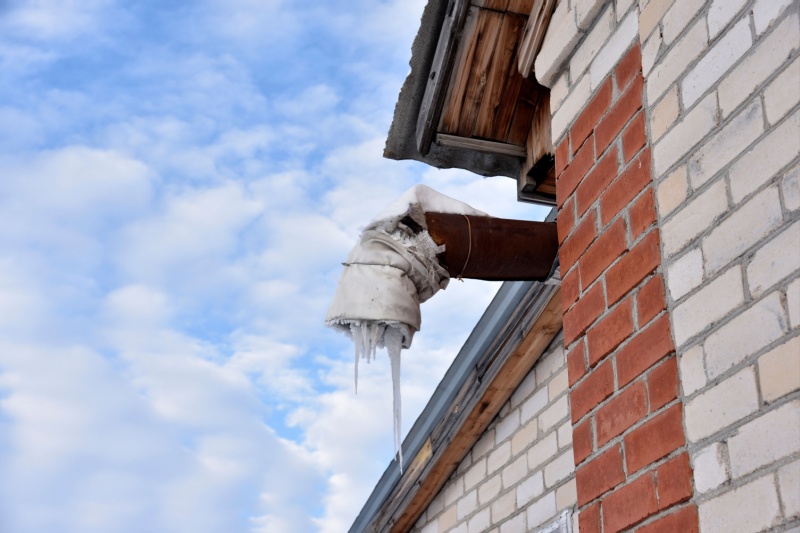
When temperatures drop very low, even your sump pump’s external discharge pipe can freeze. This can result in blocked water removal or a flooded basement. The Summers PHC team can inspect and, if needed, thaw the sump pump’s pipe. We also offer a free service call with any paid repair to ensure your system works when it needs to. This is a limited-time offer only. (Terms and conditions apply.)
Finding Frozen Pipes
Before you begin thawing a frozen pipe, you need to know exactly where it is in your home. You also need to determine whether one or multiple pipes are frozen. If more than one pipe is frozen, you might need professional help right away.
The easiest way to check for a frozen pipe is to turn on several faucets after turning off your water supply. If no water comes out of a faucet, or only a thin stream, the pipe leading to that tap is likely frozen. Do not turn on the faucet if the outside supply is still open, as this could cause a frozen pipe to burst.
If the frozen pipe is outside, you may notice frost on it or a slight bulge where the ice has expanded. If you have access to the pipe, you might be able to thaw it. But if the pipe is enclosed in a wall, you will need professional assistance.
Using a Hair Dryer
One of the most recommended DIY steps is using a hair dryer to thaw a frozen pipe. Try to heat the frozen section evenly. However, if there is already a leak in the pipe, it is best not to use a hair dryer. Plugging the dryer into a nearby socket while there is a water leak can pose a serious hazard.
Warm Towels
Soaking several towels in hot water and wrapping them around the frozen pipe is a safer way to thaw it. Squeeze the excess water from the towels before using them, and gently rub the frozen pipe section under the towels until they become cold. This option takes much longer, but is the safer choice when the pipe is already leaking.
Heating Pad
If you do not have a hair dryer and do not want to use towels, you can try an electric heating pad. For all these methods, remember to keep the main water supply shut off until the pipe is thawed.
Heat tape is another safer option and can help prevent future pipe freezing.
What Not to Do
If you use any of the above methods, start in the part closest to the affected faucet and work your way back toward the frozen section. Doing this helps the melted water flow out of the faucet. Leave the faucet on to see if the thawing process is working.
Under no circumstances should you use an open flame to try to thaw a frozen pipe. Do not use torches, matches, or candles. Also, do not use kerosene or propane heaters anywhere near your pipes. Do not pour boiling water on a frozen pipe, as it will cause the pipe to burst.
How to Prevent Frozen Pipes
It is possible to prevent frozen pipes through regular maintenance. Do the following steps:
- Insulate vulnerable pipes with heat tape and foam.
- Invest in portable heating sources for exposed piping.
- Seal cracks and gaps in areas with at-risk piping, including basements, crawl spaces, and attics.
- Disconnect outdoor hoses and shut off the water valve to outdoor faucets in winter. Remember to drain the remaining water from the line.
- Replace old hose bibs with frost-free versions.
- Maintain a consistent indoor temperature.
- Open your faucets slightly if it gets extremely cold to prevent pressure from building up in the pipes.
When to Call a Professional
In some cases, you cannot thaw a frozen pipe, or the pipe may already have cracked or burst. If this happens, contact a licensed plumber.
If you cannot locate the frozen pipe, you should also get professional help. Your plumber can locate the frozen section of the pipe and check whether more pipes are frozen. The plumber will then advise you on how they will thaw the pipes or if you need to replace a burst pipe. The plumber can also provide the information and strategies you need to protect your pipes going forward.
You should not ignore a frozen pipe, hoping it thaws on its own. If you do not thaw it yourself or call a plumber, there is a good chance the pipe will crack or burst. This will result in potential flooding and water damage to your home. Water damage can lead to mold growth and structural damage.
Prevent Major Damage With the Help of Summers PHC
You do not need to struggle with frozen pipes during a cold Anderson winter. Let Summers PHC inspect your plumbing system and repair any frozen pipes before a burst causes major damage. If a pipe has already cracked or burst, our expert team will advise you on repairs and replacements.
You should also call the pros if you cannot locate and thaw a frozen pipe on your own. If you don’t, you risk further damage, which might cost more to repair.
The Summers PHC team is always ready to help. Contact our team at 765-444-6175 or schedule a pipe inspection and repair online. We also offer local plumbing specials for Anderson homeowners.