
Proactive Care for Your Water Heater: Challenges with Warming Groundwater in Yorkville
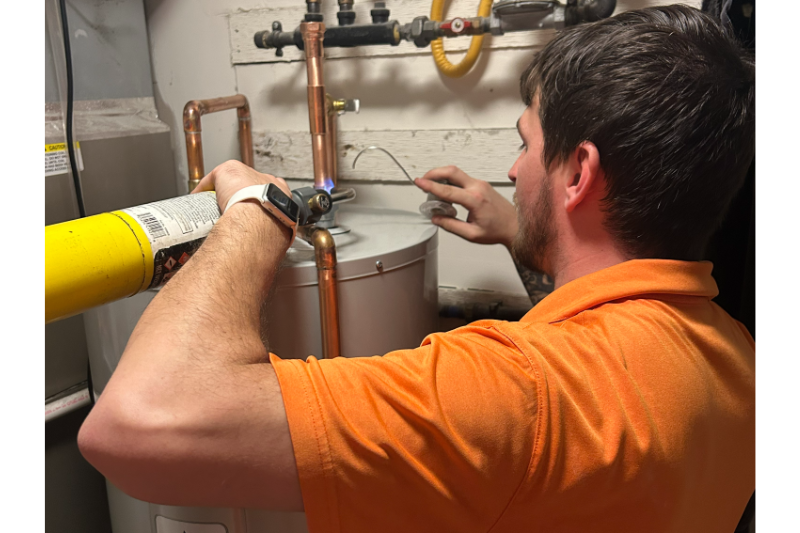
As the harsh chill of winter lifts and spring’s milder temperatures settle into the Yorkville area, homeowners often take comfort in the promise of easier days ahead. Yet, spring brings unique challenges for your home plumbing—especially for your water heater. While winter is notorious for threatening your plumbing with freezing and bursts, the gradual warming of springtime groundwater presents its own set of serious risks to your water heater, many of which can go unnoticed until trouble strikes.
Need professional help with your water heater? Contact Summers Plumbing Heating & Cooling for expert solutions in Yorkville. Take advantage of our special offer: Get a $59 Water Heater Safety Inspection available for a limited time! (Terms and conditions apply).
Yorkville homeowners need to stay alert to the effects of these seasonal shifts on their plumbing systems. Scheduling a comprehensive spring inspection and tune-up can reveal underlying issues before they turn into major headaches requiring expensive repairs.
The Impact of Rising Groundwater Temperatures on Water Heaters
As the ground begins to thaw with the arrival of spring, the temperature of groundwater rises noticeably. While this might sound insignificant, your water heater has spent several months adjusting to the demands of much colder water. The sudden increase in groundwater temperature can strain your system in unexpected ways, often catching homeowners off guard.
Arranging for a professional tune-up is a wise move for anyone eager to preserve both the efficiency and longevity of their water heater. Technicians can spot minor issues before they escalate and provide guidance on best maintenance practices, especially tailored for Yorkville’s distinctive seasonal climate.
Understanding How Warming Groundwater Affects Your Water Heater
Many residents overlook the significant impact that warming groundwater can have on their water heater. However, these temperature changes can induce several issues:
Accelerated Mineral Scaling
Warmer water dissolves minerals like calcium and magnesium more easily than colder water. This “hard water” is then heated further by your water heater, facilitating the rapid buildup of mineral deposits inside your unit.
Sediment Formation and Efficiency Loss
As minerals settle to the bottom of the tank or cling to heating elements, a layer of sediment forms. This forces your water heater to work harder to maintain temperatures, which wastes energy and can scorch the tank, leading to costly repairs or system failure.
Corrosion and Leaks
Sediment build-up can create isolated hot spots, causing the tank lining to corrode more rapidly. Over time, these weakened areas may begin to leak, reducing your heater’s lifespan and potentially resulting in water damage in your home.
Thermal Expansion and Excessive Pressure
Heated water expands naturally, and with warmer groundwater reaching target temperatures faster, the pressure inside your tank can spike. Left unchecked, this can place undue stress on the water heater and its connecting pipes, risking bursts or leaks.
Homeowner Tips for Spring Water Heater Maintenance
You don’t have to be a plumbing expert to keep an eye out for early warning signs of trouble with your water heater. Yorkville homeowners can take these steps to maintain optimal function:
Inspect all visible plumbing, including beneath sinks, around toilets, and especially at the base of your water heater and along the basement floor, for any signs of moisture or leaks. Watch for new water stains or damp areas on walls, and listen for subtle dripping sounds that might indicate a concealed leak. Testing your home’s water pressure with a gauge can provide insight—pressures between 40 and 60 psi are typical; any significant deviation may warrant a closer look by professionals.
The Essential Task: Flushing Your Water Heater
Regularly flushing out your water heater tank is among the most valuable DIY tasks for extending the life of your unit. This process removes sediment buildup, which, if left untreated, makes warm-up cycles less efficient and increases the risk of overheating.
To flush your tank, turn off the power source to your water heater. Attach a hose to the tank’s drain valve and direct the flow to a safe drainage location. Open the valve and allow the water to run until it’s clear. This not only reduces sediment, but also minimizes popping and rumbling noises, signs that steam bubbles are trapped in the build-up at the tank’s base.
Protecting Your Water Heater Beyond the Tank
A water heater’s longevity isn’t just about internal mechanisms. Spring conditions in Yorkville—specifically snowmelt paired with rainfall—can leave basements excessively damp. This creates a prime environment for rust to form on the exterior of a floor-mounted water heater.
To safeguard against this, make sure gutters and downspouts are clear, so water flows away from your foundation, helping prevent unwanted moisture in your basement. Test your sump pump by pouring water into its pit to confirm it activates as needed, further reducing risks of standing water near essential appliances.
Schedule Your Water Heater Service with Summers Plumbing Heating & Cooling
Yorkville’s shift into spring is the ideal time to get your home’s plumbing ready for the months ahead. After carrying out these homeowner checks, be sure to call the professionals at Summers Plumbing Heating & Cooling for a comprehensive water heater inspection and maintenance service in the Yorkville area. Our experts will ensure that your system is operating efficiently and safely, giving you peace of mind as the seasons change.
If you’re ready to take the worry out of water heater maintenance, let the experienced team at Summers Plumbing Heating & Cooling handle your needs. Schedule a service today by calling 630-409-0188 or visiting our Yorkville service page. Experience the reassurance that comes from expert care tailored specifically for Yorkville homeowners—make the most of each season and keep your home’s plumbing prepared for whatever comes next.