

Sluggish Drains in Lafayette: Identifying Causes and Quick Fixes
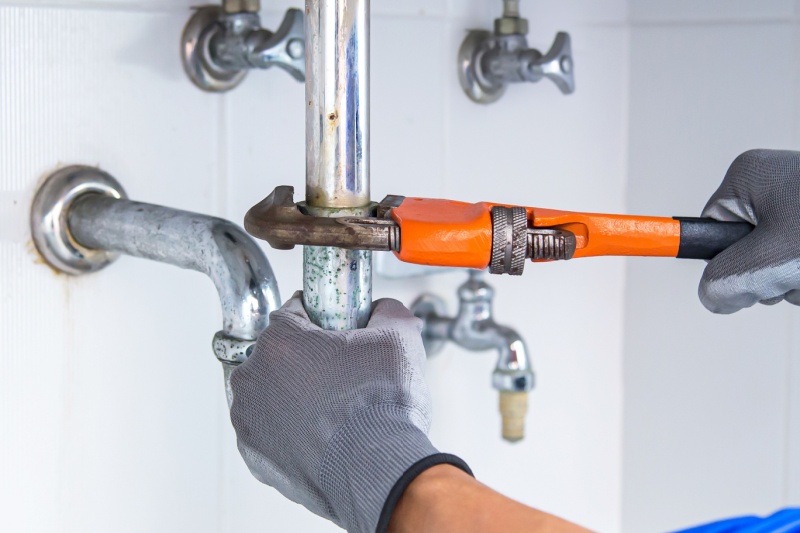
In Lafayette, a well-functioning plumbing system is essential for keeping your household running smoothly, and your drains play a central role in maintaining comfort and convenience. When a drain starts to run slow, it may seem like a minor inconvenience at first, but it can quickly become a sign of larger plumbing issues, such as deep clogs, water backups, or even the risk of water damage if neglected. This guide is designed to help Lafayette homeowners recognize early warning signs and take action to solve slow drain problems before they can escalate.
Is your drain running slow? Contact Summers Plumbing Heating & Cooling for expert plumbing solutions in Lafayette. Take advantage of our $99 drain cleaning special today! (Terms and conditions apply).
Understanding Your Home’s Drainage System
Every home in the Lafayette area relies on a network of pipes to move wastewater efficiently to the municipal sewer system. More than just tubes running beneath your floors, your drainage system works as an interconnected series of fixtures, drains, and vents. When everything is working properly, water and waste move quickly with little noise or fuss. Any blockage, however, can disrupt this flow and cause water to pool, drain slowly, or even back up.
Your typical drainage system features several key components:
Fixture Drains: These are the pipes that carry water away from sinks, bathtubs, showers, and toilets. Each of these fixtures has its own specific drain line.
Branch Drains: These connect the smaller fixture drains to larger pipes, channeling wastewater towards the main drain line.
Main Drain Line: The main line collects all wastewater and channels it directly out of the home to the municipal sewer connection.
In addition to pipes, vent stacks are a crucial part of the system, introducing air into the plumbing lines. The vents equalize pressure and help wastewater flow freely, all while preventing potentially hazardous sewer gases from entering your living spaces. If any part of this network becomes clogged or damaged, you may experience issues ranging from noisy pipes to pools of standing water around fixtures.
What Causes Slow Drains?
Sluggish drains are often the first indication that something is amiss with your plumbing system. Several root causes may be to blame, from straightforward clogs to more complex structural problems.
Localized Blockages in a Single Fixture
If you notice that just one sink, tub, or shower drains slowly, the issue often lies close to the affected fixture. For bathroom sinks and tubs, hair is a frequent culprit. When combined with soap scum or toothpaste residue, it can form particularly persistent clogs. In kitchen sinks, the P-trap—the curved segment of pipe beneath the sink—tends to trap food particles, oils, and grease. Although garbage disposals help minimize the risk, certain materials such as cooking oils, coffee grounds, eggshells, and fibrous vegetable peels can accumulate and block the pipes.
Widespread Slow Drains in Multiple Fixtures
When multiple fixtures—including toilets, showers, and sinks—are draining more slowly than usual, it often points to a clog deeper within your home’s main sewer line. This can happen when improper items are flushed or washed down drains. Items like excessive toilet paper, personal hygiene products, cooking fat, or even massive amounts of soap build-up can move through the system, causing a stubborn blockage that impacts several areas of the house at once.
Sewer Line Problems and Pipe Damage
Main sewer line blockages are not always caused by clogs alone. Over time, aging pipes made from clay, concrete, or even older materials can suffer from cracks and wear. When this happens, tree roots are often drawn to the moisture inside these lines, infiltrating and blocking passageways. Even homes with no large trees nearby aren’t immune; pipes may shift or settle due to changes in soil or construction activity, allowing sediment, sand, or soil to enter and cause gradual slowdowns in water movement. In some cases, the problem may originate from joints that have worked loose or from corroded sections of older piping.
Vent Stack Blockages
Vent stacks penetrate your roof and keep your plumbing system breathing. When debris like leaves, twigs, or seasonal snow accumulates in these vents, airflow is reduced. You may notice drains that gurgle, emit unpleasant odors, or even push water back up into sinks and tubs. These issues signal poor pressure balance and should be investigated as soon as possible.
Steps to Troubleshoot Sluggish Drains
Before you reach out for professional assistance, there are a few things you can do to address slow drains in your Lafayette home:
First, inspect each fixture throughout your home. If only a single drain is sluggish, address that localized area first. Remove any visible debris such as clumps of hair or soap scum—just be sure to wear protective gloves.
A plunger can be effective for minor clogs. For best results, ensure there is enough water in the fixture to cover the plunger and create a secure seal. Use several fast pumps to try to dislodge the blockage.
Consider natural cleaning solutions instead of harsh chemicals, which can be corrosive to pipes. Pouring baking soda followed by vinegar into the affected drain, then flushing it with hot water, can sometimes break down greasy buildups.
For kitchen sinks, check the P-trap by placing a bucket beneath the U-shaped pipe, removing it, and clearing out trapped gunk before reinstalling. Always make sure all connections are tight afterward to avoid leaks.
If two or more fixtures are draining slowly, the main drain could be blocked, or there could be an issue with your vent stack. At this stage, attempting DIY fixes could potentially worsen the problem. Calling in a licensed plumber ensures your system is examined with specialized tools, such as drain cameras, and any underlying structural or blockages are properly addressed.
When to Call the Lafayette Pros
Persistent slow drains should never be overlooked. If you have tried the above solutions or if you encounter repeated issues with multiple drains at once, trust in a local professional to deliver lasting results. Professional plumbers not only remove stubborn clogs but also look for signs of deeper trouble, like sewer line breaches or root infiltration.
Summers Plumbing Heating & Cooling offers reliable, friendly help right here in Lafayette—our experienced team is equipped to handle everything from routine drain cleaning to advanced plumbing repairs. We know the unique challenges local homeowners face, including the aging infrastructure and changeable Indiana weather that can accelerate plumbing wear.
Summers PHC Keeps Lafayette Flowing
When you need dependable drain cleaning or want peace of mind knowing your plumbing system is in top shape, the experts at Summers Plumbing Heating & Cooling are here for you. Our team puts your comfort and safety first with prompt, professional service.
Don’t wait for plumbing issues to escalate. Schedule your service today, or give us a call at (765) 310-3076 to talk directly with our Lafayette team. Experience the Summers PHC difference and keep your home’s drains working like new!