
AC Replacement: Essential Maintenance Tips for Your New System
Understanding the Importance of AC Unit Replacement Maintenance
When you get an AC unit replacement, you essentially start with a fresh, modern system designed to cool your space effectively. However, even the best systems need care to maintain optimal performance. Neglecting maintenance after your AC replacement can lead to reduced efficiency, more frequent breakdowns, and increased operational costs. Simple maintenance can:- Improve cooling efficiency
- Extend the lifespan of your new AC unit
- Reduce energy consumption and lower bills
- Minimize the likelihood of unexpected repairs
1. Regularly Change or Clean Your Air Filter
One of the simplest yet most impactful maintenance tasks after an AC unit replacement is regularly changing or cleaning the air filter. Over time, dust, dirt, and allergens clog the filter, making the system work harder to push air through. This reduces airflow and can cause your unit to consume more electricity while delivering less cooling. For your new system, check the air filter every month and replace or clean it at least every 1 to 3 months during heavy usage periods. A clean air filter also improves indoor air quality, an important factor for your home’s health.2. Keep the Outdoor Unit Area Clean and Clear
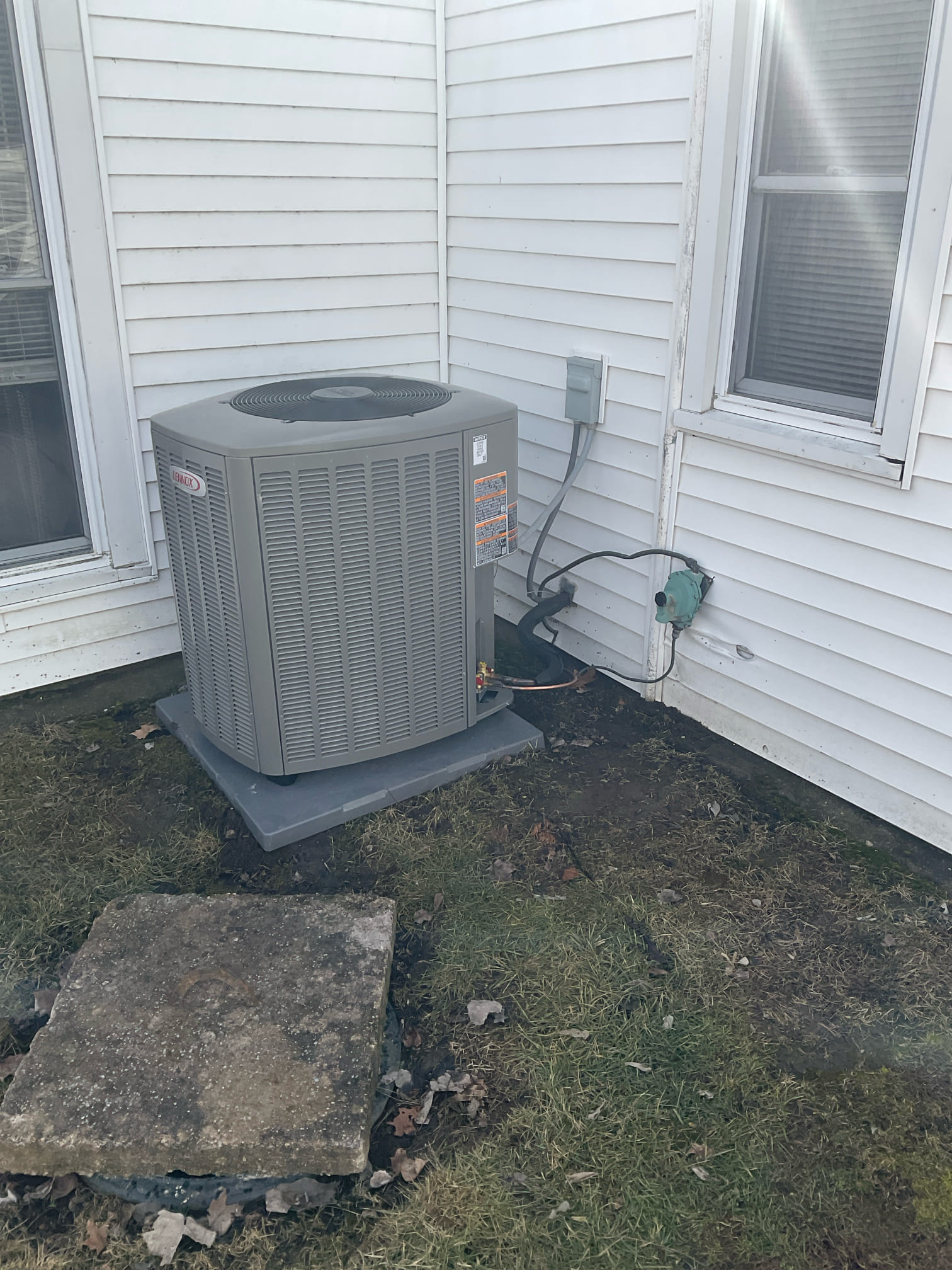
Whether you just had your AC replacement or are maintaining a unit that’s a few years old, it’s critical to keep the outdoor condenser unit free from debris. Leaves, grass clippings, dirt, and other obstructions can block airflow, making it difficult for the system to expel heat. After your AC unit replacement, make it a habit to inspect the outdoor unit regularly. Clear away any debris and trim back shrubbery or plants around the unit to allow proper airflow. Ensuring adequate clearance helps your system run efficiently and avoids overheating.3. Schedule Professional Maintenance Checks
A vital step after an AC replacement is setting up annual maintenance inspections with a trusted HVAC professional. These routine visits include comprehensive system checks such as cleaning condenser and evaporator coils, checking refrigerant levels, inspecting electrical connections, lubricating moving parts, and verifying thermostat accuracy. Professional service extends the life of your new system by catching small issues before they become costly problems. Think of it as a regular health check-up for your AC unit.4. Monitor Your Thermostat Settings for Efficiency
The thermostat controls the comfort of your home and the workload of your new AC unit. After an AC unit replacement, make sure your thermostat is working properly and programmed for optimal efficiency. Avoid setting the temperature excessively low, which can strain your system, especially if it’s working against heat gain from poor insulation or leaks. Using a programmable or smart thermostat can automatically adjust settings when you’re away, maintaining comfort while saving energy.5. Inspect and Clear the Condensate Drain Line
In an AC replacement near me, the condensate drain line often gets overlooked but is essential for removing moisture from your home. A clogged drain line can cause water buildup, leading to leaks or even mold growth. Make it part of your routine to check the drain line for clogs and clear it if necessary, or request that your HVAC technician handle this during your professional maintenance visit.6. Look for Air Leaks in Your Home
Your new system is designed to cool air efficiently, but air leaks around windows, doors, or ductwork can undercut its performance. After an AC replacement, inspect your home for leaks and seal them with weatherstripping or caulking. By reducing hot air infiltration, your new AC doesn’t have to work as hard, thus improving energy efficiency and increasing comfort.7. Maintain Proper Airflow Around Vents and Registers
Keep furniture, curtains, or other obstructions away from your AC vents and registers inside your home. After an AC unit replacement, unrestricted airflow is key for evenly distributing cooled air and avoiding hotspots. Regularly vacuum or dust vents to prevent dust buildup, which can restrict airflow and stress your system.8. Understand Your New System’s Capacity and Usage
Your AC replacement should be sized correctly for your home. A unit too small will run constantly without adequately cooling the space, while a system too large cycles off and on too frequently, both affecting efficiency and comfort. If your system was professionally installed, confirm that your technician helped select the right sized unit. Maintain awareness of usage patterns and keep your system in tune with your home’s unique cooling needs.9. Use a System Cover During Off-Season
If your climate allows, using a protective cover on your outdoor condenser unit during the winter months after your AC replacement can prevent damage from debris or weather elements. Make sure the cover allows ventilation to avoid moisture buildup, which could otherwise damage the unit.10. Keep Records of Your AC Unit Replacement and Maintenance
Document all service visits, repairs, and regular maintenance after your AC replacement. Having this maintenance history readily available helps track your system’s health and is useful for warranty claims or resale value.Frequently Asked Questions (FAQs)
How often should I replace my air filter after an AC unit replacement?
After an AC replacement, it’s recommended to check your air filter every month and replace or clean it every 1 to 3 months during high-use times. This helps maintain efficient airflow and prolongs your system’s lifespan.
What signs indicate I need professional AC maintenance after replacement?
If your new system is not cooling properly, making unusual noises, causing higher energy bills, or if it hasn’t been serviced in over a year, it’s time to schedule professional maintenance. Regular check-ups help prevent bigger issues.
Can I use my old thermostat with my new AC unit replacement?
Some older thermostats may not be compatible with newer, more efficient AC units. It’s best to consult with your HVAC professional to ensure your thermostat is compatible or consider upgrading to a smart or programmable thermostat for better control.
How can I tell if my AC replacement was sized correctly?
Proper sized units cool your home efficiently. If your AC runs constantly without reaching desired temperature or cycles on and off frequently, your system might be mis-sized. Consult your HVAC technician for a load calculation and assessment.
Why is the condensate drain line important in my new AC system?
The condensate drain line removes moisture collected during cooling. If clogged, it can cause water backup, leaks, or mold, damaging your AC and home. Regular inspection is essential to keep it clear.
Does routine maintenance after AC replacement really save money?
Yes. Regular maintenance helps keep your system efficient, avoiding costly repairs and reducing energy bills. It also extends the life of your investment by preventing breakdowns.
Proper care and attention after an AC replacement are fundamental to keeping your system running efficiently and reliably. Whether it’s changing filters, clearing debris around the unit, scheduling professional check-ups, or monitoring your thermostat, these simple habits make your home more comfortable and your new air conditioner a smart investment. Summers Plumbing Heating & Cooling, located in Huntington, is ready to assist with any AC maintenance or service needs to ensure your unit performs at its best.
Summers Plumbing Heating & Cooling
2982 W Park Dr, Huntington, IN 46750, United States
(260) 366-1011