

Water Softener Installation: Maintenance Tips for Long-Term Performance
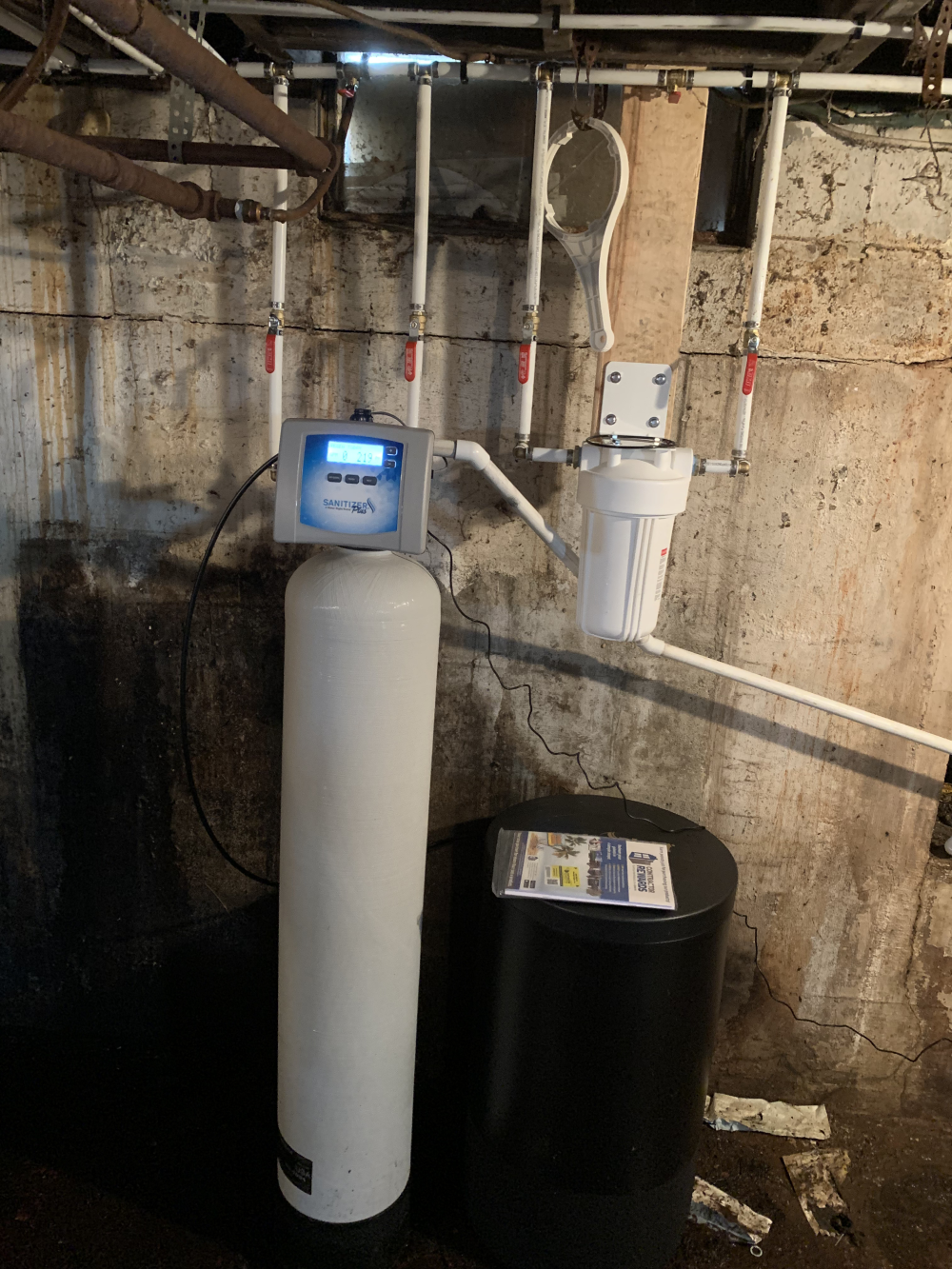
If you’ve ever noticed stubborn white spots on your dishes, a film on your shower glass, or dry, itchy skin after bathing, hard water might be the culprit. Installing a water softener is a smart way to protect your home’s plumbing, appliances, and even your health. But just like any other home system, water softener installation is only the first step—ongoing maintenance is what ensures you get the best results for years to come. Let’s dive into everything you need to know about water softener installation and how to keep your system running smoothly.
What Is a Water Softener and Why Is Installation Important?
A water softener is a device that removes hard minerals like calcium and magnesium from your water supply. These minerals can cause scale buildup in pipes, reduce the efficiency of water heaters and appliances, and make cleaning a chore. Water softener installation is crucial because it places the system in the right spot to treat all the water entering your home, protecting everything downstream.
When you’re ready for water softener installation, it’s best to position the unit as close as possible to your main water line, before your water heater. This setup ensures that every drop of water in your home is softened, preventing scale and extending the life of your plumbing and appliances. Summers Plumbing Heating & Cooling specializes in water softener installation, ensuring your system is set up for optimal performance from day one.
Proper water softener installation also means avoiding locations that are too hot or prone to freezing, as extreme temperatures can damage the unit and void your warranty. Trusting professionals like Summers Plumbing Heating & Cooling for water softener installation means you get expert advice on the best placement and setup for your home.
The Basics of Water Softener Installation
Water softener installation starts with turning off your main water supply and releasing pressure from the pipes. This step is essential for safety and prevents any water from spraying when you cut into the line. Next, you will need to attach a drain hose to the softener, making sure it slopes downward for proper drainage—this ensures that the system can flush out hard minerals efficiently.
During water softener installation near me, it’s important to have a power outlet nearby if your model requires electricity. Some systems are mechanical, but many modern softeners use timers or digital controls that need power. Summers Plumbing Heating & Cooling can help you determine the best setup for your home and handle all the details during water softener installation.
Once the unit is in place, the brine tank is filled with high-purity salt, which is used to regenerate the resin beads inside the softener. This process is what actually removes the hard minerals from your water. After water softener installation, it’s a good idea to check all connections for leaks and run a test cycle to make sure everything is working as it should.
How to Maintain Your Water Softener for Long-Term Performance
Maintaining your water softener is just as important as the initial water softener installation. Regular upkeep will keep your system running efficiently and help you avoid costly repairs or replacements down the road.
One of the simplest yet most effective maintenance tasks is checking the salt level in your brine tank. Most experts recommend checking every 4–6 weeks, but if you notice signs of hard water returning, you might need to top it off sooner. The brine tank should always have enough salt so that it’s 2–3 inches above the waterline. Using the right type of salt—such as cubes, crystals, or pellets—is also key, as some salts can cause buildup or leave residue in the tank.
Another common issue is the formation of a salt bridge, which is a hard crust of salt that forms above the water in the brine tank. This bridge can prevent the salt from dissolving and stop the regeneration process, meaning your water won’t be softened. If you notice a salt bridge, gently break it up with a broom handle or similar tool, then add fresh salt to the tank.
Cleaning and Inspecting Your Water Softener
Cleaning your water softener is something you should do at least twice a year. Start by emptying the brine tank of all water and old salt. Scrub the inside with warm, soapy water and a brush, then rinse thoroughly. For extra sanitation, you can use a mild bleach solution to kill any bacteria or mold that might be present. Just make sure to rinse the tank well before refilling it with water and fresh salt.
While you’re cleaning, take a moment to inspect the resin bed. Over time, minerals and iron can build up on the resin beads, reducing their effectiveness. Flushing the resin bed with a special cleaner can help remove these deposits and restore your system’s performance. Summers Plumbing Heating & Cooling recommends following your manufacturer’s instructions for cleaning and maintenance, as each model can have slightly different requirements.
Regular inspections are also important. Check for leaks, unusual noises, or error messages on your system’s display. If you notice any issues, it’s best to address them right away before they turn into bigger problems.
Advanced Maintenance Tips for Water Softeners
Beyond the basics, there are a few extra steps you can take to keep your water softener in top shape. For example, monitoring your water hardness regularly can help you catch any changes in your water supply that might affect your system. If you notice a sudden increase in water hardness, it could be a sign that your softener needs attention.
Another tip is to avoid adding new salt on top of old, unused salt in the brine tank. This can lead to salt mushing—a sludgy layer at the bottom of the tank that can clog the system. Instead, empty out old salt before adding fresh, and keep the tank clean and dry between refills.
If your water softener has a control valve or bypass valve, make sure these are functioning smoothly and not clogged with debris. A stuck valve can prevent proper water flow and reduce the effectiveness of your system. Summers Plumbing Heating & Cooling can help with annual inspections and maintenance to keep all these components in good working order.
The Role of Professional Maintenance
While many maintenance tasks can be done by homeowners, some jobs are best left to the professionals. Scheduling an annual checkup with a certified technician can help you catch small issues before they become big problems. During a professional inspection, your technician will check the resin bed, control valves, seals, and electronic components for wear or damage. They can also calibrate your system and make sure it’s set up for your current water usage.
Professional maintenance is especially important if you notice frequent salt bridges, error messages, or a drop in water pressure. These could be signs of a more serious issue that requires expert attention. Summers Plumbing Heating & Cooling offers comprehensive maintenance plans to keep your water softener running smoothly year after year.
FAQs About Water Softener Installation and Maintenance
How often should I check the salt level in my water softener?
You should check the salt level in your brine tank every 4–6 weeks. If you notice signs of hard water returning, check it more frequently and top off as needed.
What type of salt should I use in my water softener?
Most water softeners work best with cubes, crystals, or pellets made specifically for softening. Avoid using rock salt or table salt, as these can cause buildup or leave residue in your system.
How do I know if my water softener is working properly?
Signs that your water softener is working include soft-feeling water, reduced spots on dishes, and less scale buildup on faucets and showerheads. If you notice a return of hard water symptoms, your system may need maintenance.
How often should I clean my water softener?
It’s a good idea to clean your brine tank at least twice a year. You should also inspect and clean the resin bed as recommended by your manufacturer.
What is a salt bridge and how do I fix it?
A salt bridge is a hard crust of salt that forms above the water in the brine tank. To fix it, gently break up the crust and add fresh salt to the tank.
Should I hire a professional for water softener installation?
While some homeowners can handle installation, hiring a professional like Summers Plumbing Heating & Cooling ensures your system is set up correctly and safely for optimal performance.
Keeping Your Water Softener Running Smoothly
After water softener installation, regular maintenance is the key to long-term performance. By checking salt levels, cleaning the brine tank, and inspecting your system regularly, you can keep your water softener running efficiently for years. Remember to use the right type of salt, avoid adding new salt on top of old, and address any issues as soon as they arise.
If you’re ever unsure about your water softener installation or maintenance, don’t hesitate to contact Summers Plumbing Heating & Cooling. Their team of experts is ready to help you keep your water soft and your home protected from the damaging effects of hard water.
Summers Plumbing Heating & Cooling
2982 W Park Dr, Huntington, IN 46750, United States
(260) 366-1011