

Prevent Frozen Pipes From Damaging Your Glendale Heights Home
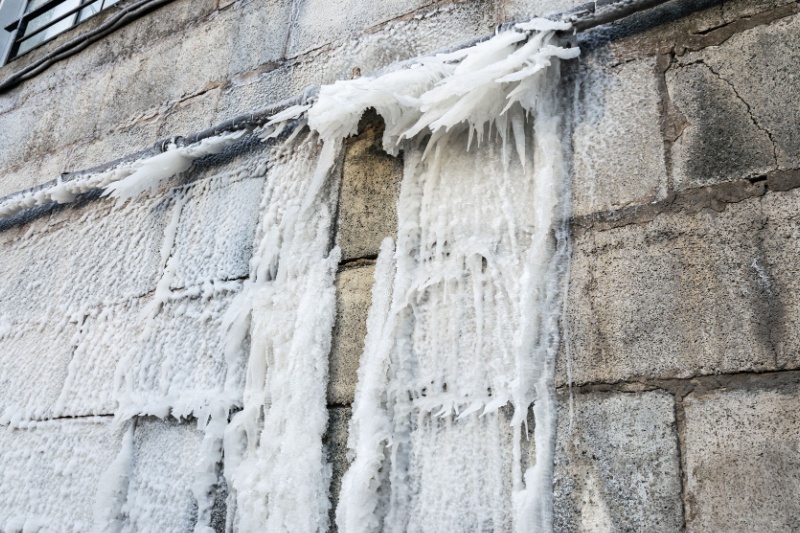
Glendale Heights gets an average of 4.4 inches of snow every year in February. Sometimes, the snow mixes with freezing rain, depending on how cold it is. The extreme cold the area experiences, especially during snowstorms, poses a serious risk to your home’s plumbing.
Frozen pipes are a common issue that can cause major damage to your home. If a frozen pipe bursts, it does not only mean a pipe replacement. It also means fixing water damage and removing mold and mildew. In extreme cases, a burst pipe can damage a house’s structure.
The best way to avoid this is to protect your plumbing pipes against the cold.
Prevent your pipes from freezing and damaging your home this winter. Get a pipe inspection from Summers Plumbing Heating & Cooling. With a paid service, you get a FREE plumbing service call. Hurry! Limited-time offer only.
What Causes Pipes to Freeze?
It has to be very cold for pipes to freeze. So, when the temperature drops below freezing, it is likely that the water inside them will solidify. The freezing is not the biggest problem but the pipe expansion that happens when the water freezes. Frozen water tends to expand up to 9%, which increases the pressure in a closed pipe.
Because the ice has nowhere to go and the faucet is closed, the pressure will continue to build until the pipe cracks or bursts.
Glendale Heights’ fluctuating temperatures in winter cause freeze-thaw cycles, which can potentially make it more likely for pipes to freeze.
Exposed outdoor pipes and those in unheated areas in your home are very vulnerable to these freeze-thaw cycles and cold temperatures in general. The same applies to pipes that are poorly insulated.
How to Prepare for a Frozen Pipe Emergency
Taking the right measures to protect your pipes against the cold is important. But, it is also crucial to be prepared in case of a plumbing emergency. If a pipe bursts and floods your home, you must be able to shut off the main water supply. You can only do this if you know where the shutoff valve is.
In most instances, the shutoff valve will be in the basement or near the water meter. However, if a pipe bursts in your basement and floods it, do not go near it if you have electrical appliances there. Call a professional plumber instead.
You should also prepare for potential frozen pipe issues by keeping pipe insulation and heat tape on hand.
Also, save the number of a reputable plumbing company on your phone in case you need help fast.
Preventing Pipes From Freezing
The best way to prevent a plumbing emergency caused by frozen pipes is to protect your system from the cold.
If you have not had your plumbing pipes inspected in a while, hire a licensed plumber to do a thorough inspection. This way, you will know whether pipes must be rerouted or insulated.
Take some time to insulate pipes in unheated areas properly. You can use insulation or foam sleeves to wrap these pipes or heat tape and cable for extra protection.
Not only do the pipes need to stay warm, but your entire home should stay heated. Keep your thermostat set at 55°F or higher day and night. As your home heats up, open cabinet doors in the kitchen and bathrooms to get warmer air around the pipes. It will also help to keep interior doors open so that the heat can spread evenly throughout your home.
Consider leaving a cold water faucet slightly open if it gets very chilly outside. Dripping water is harder to freeze, which will further protect your pipes.
An extra step you can take is sealing gaps and cracks in your walls and ceilings. This will prevent cold air from reaching the pipes. You can also weatherstrip doors and windows to keep drafts out.
Before you settle in for the winter, remember to disconnect your garden hose and sprinkler systems. Drain all remaining water and protect all outdoor bibs and spigots with insulated covers.
What to Do When Pipes Freeze
If you suspect an ice blockage in one of your pipes or notice visible frost on an exposed pipe, it is crucial to act quickly.
Turn off the water supply to decrease the pressure in the pipe and stop it from bursting. However, leave the faucet connected to the pipe open so the ice that melts can drain away.
The ice can only melt safely if you apply gentle heat. Use a hair dryer and blow the warm air evenly across the frozen section of the pipe. If this does not work, wrap a heating pad or warm towel around the pipe.
If you cannot reach a frozen pipe or it does not want to thaw, you should call a licensed plumber immediately. The same goes for if you find damage on the pipe. Even a small leak or crack warrants a professional inspection.
Why You Cannot Ignore a Frozen Pipe
Ignoring a frozen pipe does not mean the ice will melt, and everything will be fine. In most cases, leaving a frozen pipe means it will burst and cause flooding. If the flooding causes mold and mildew, it can result in health problems for your family.
By being proactive and knowing what to do with a frozen pipe, you can avoid these issues and have a stress-free winter.
Summers PHC Can Assist You in Preventing Frozen Pipes This Winter
Nobody wants to deal with frozen pipes, especially when it’s cold and miserable outside. Summers Plumbing Heating & Cooling can help protect the plumbing system of your Glendale Heights home so you never have to worry about frozen pipes. If you already have frozen pipes, we can help with that, too.
Book an inspection, maintenance, or repair today and enjoy our local specials. Call 331-322-1021 or schedule a service online.

