

Key Tips for Handling a Flooded Basement in Glendale Heights
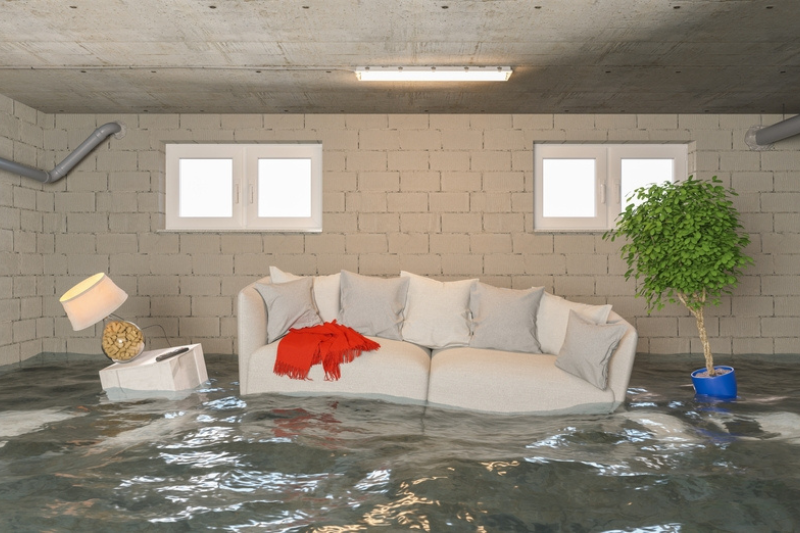
Key Tips for Handling a Flooded Basement in Glendale Heights
The recent heavy rains in the Glendale Heights area have put many homeowners on high alert for the common problem of basement flooding. If you find yourself facing water in your basement, it’s understandable to feel overwhelmed. Rest assured, with prompt action and the right support, you can effectively manage the situation. For decades, Summers Plumbing Heating & Cooling has assisted local families through challenging plumbing emergencies, including basement floods, and we are ready to help you protect your home.
Need professional help with your plumbing emergencies? Contact Summers Plumbing Heating & Cooling for expert solutions in Glendale Heights. Get a FREE Service Call with Any Paid Repair this month only! (Terms and conditions apply).
Basement flooding can develop for various reasons including overloaded drainage systems, rising groundwater, sump pump issues, or drain backups. The choices you make in the immediate aftermath can have a lasting effect on your property and your family’s safety. Acting quickly and thoughtfully minimizes both physical damage and stress.
Put Safety First When Facing Basement Flooding
Before attempting to save damaged items or start cleaning, pause and evaluate safety risks. Water and electricity create a hazardous mix—never enter a basement with standing water near outlets, appliances, your electrical panel, or other electrical equipment. Even wading briefly through damp areas can be risky if any electrical current is present.
If you ever notice the odor of natural gas or suspect damage to gas lines or appliances during basement flooding, evacuate your home immediately and seek professional help before re-entering. When in doubt about electrical or gas safety, always err on the side of caution and keep everyone out of the basement until qualified technicians can assess the situation.
Avoid Direct Contact with Floodwater
Floodwater may contain more than just rain—depending on the source, it can be contaminated with bacteria, chemicals, sewage, and other hazardous substances. Protect yourself, children, and pets by keeping out of the water unless absolutely necessary. If you do enter, wear waterproof boots, gloves, and consider other protective gear to minimize exposure to potentially harmful microorganisms, especially in the case of sewer-based flooding.
Determine the Source of Water Ingress
Once you’ve mitigated safety concerns, identifying the source is essential in deciding your next steps. Basement water can come from:
- Heavy rain or groundwater seeping through cracks in the foundation
- Sump pump malfunctions or being overrun by water volume
- Clogged or damaged floor drains
- Sewer or drain line backups
- Burst or leaking pipes
- Water heater or appliance failures
- Blocked gutters and downspouts that drain water towards the foundation
If the water seems related to your home’s plumbing, fixtures, sump pump, or drains, contact a Glendale Heights plumber right away for assessment and repairs. Quick action can help prevent the situation from escalating.
Check Your Sump Pump During Heavy Rain
During intense storms, sump pumps are vital for keeping basements dry, but they sometimes fail or get overwhelmed when needed most. Typical failure points include power outages, clogged intakes, stuck float switches, or discharge line issues. If your sump pump isn’t operating or the pit is overflowing, don’t risk any DIY fixes in standing water. Instead, have a professional check the pump and all related components to diagnose the cause and recommend repairs or replacements as needed.
Shut Off the Water Safely If Needed
When flooding stems from plumbing or appliance malfunctions, turning off your home’s main water valve can help minimize ongoing damage. Know the location of your shutoff valve ahead of time, but never attempt to access it through standing water, especially if electrical equipment is involved. When the flooding is clearly caused by external water, such as heavy rainfall, focus on ensuring your sump pump and exterior drainage are operating correctly instead of shutting off your water supply. If you have any doubts about safety, reach out to a licensed plumber in the Glendale Heights area for guidance.
Never Operate Electrical Devices in Wet Conditions
The instinct to use wet/dry vacuums, fans, or pumps may be strong, but never run electrical devices in or near standing water until electrical systems have been cleared as safe. Likewise, do not attempt to use any appliance—such as your water heater, furnace, or washing machine—that has come into contact with floodwater. Equipment must be professionally inspected, as internal components can retain moisture and pose ongoing risks even after the basement appears dry.
Document Damage for Insurance Purposes
Before removing or discarding wet items, thoroughly document your basement’s condition. Take detailed photographs or videos of:
- Water levels and soaked areas
- Damaged drywall, flooring, and furnishings
- Affected appliances and mechanical systems
- Visible plumbing issues or water entry points
This comprehensive documentation can prove invaluable when communicating with your insurance provider regarding coverage and repairs. Contact your insurer promptly to clarify requirements before starting extensive cleanup or restoration work.
Eliminate Hidden Moisture After Flooding
Even after standing water is gone, residual moisture can linger behind walls, under flooring, and in other building materials. Act quickly to dry these areas as mold and mildew can develop within just days. Some porous materials—such as carpeting, drywall, and insulation—often need to be removed entirely. Fast, professional-grade water removal and drying services can help prevent recurring issues and protect your home’s long-term air quality.
Be Alert for Drain and Sewer Backups
If water emerges from basement drains instead of seeping through the foundation or windows, you may be facing a drain or sewer backup. Warning signs include slow drains, gurgling toilets, sewage odors, or water backing up into multiple fixtures. When sewage or wastewater is present, refrain from using sinks, showers, or laundry to avoid worsening the situation and consult a plumber immediately to locate and clear the obstruction.
Schedule Follow-up Inspections to Prevent Repeat Flooding
Once your basement is dry and safe, it’s critical to identify why the flooding happened in the first place. Issues like an undersized or aging sump pump, clogged pits, blocked discharge pipes, or faulty plumbing often require more than a quick restart—they need inspection and possibly upgrades to assure future reliability. A specialist from Summers Plumbing Heating & Cooling can evaluate your Glendale Heights home’s unique risks and recommend improvements, whether it’s backup sump pumps, improved exterior drainage, or necessary plumbing repairs.
How to Prevent Future Floods in Glendale Heights
While no homeowner can control the weather in Glendale Heights, regular maintenance and preparation are key for reducing flood risks. Test your sump pump routinely by adding water to the pit, ensure the area is free of debris, and confirm discharge pipes channel water away from your foundation. Backup battery systems can keep your sump pump operating even if the power goes out during a storm.
Maintain gutters and downspouts so they direct rainwater several feet from your home. If flooding is a recurring issue, professional assessment can help you identify and address underlying problems rather than treating each flood as an isolated event. With long-term preventive strategies, you’ll be better equipped to weather the next big storm.
Summers Plumbing Heating & Cooling: Reliable Flood Help in Glendale Heights
Basement flooding is always a stressful experience, but you don’t have to handle it alone. The local experts at Summers Plumbing Heating & Cooling are equipped to resolve emergencies and provide lasting solutions for Glendale Heights homeowners. Whether it’s sump pump repairs, drain clearing, plumbing inspections, or new system installations, our team is committed to your safety and peace of mind.
Take advantage of our decades of expertise and honest pricing. When you need responsive, trustworthy service in Glendale Heights, count on Summers Plumbing Heating & Cooling to restore your home and prevent future damage.
Summers PHC Is Here to Help
When basement flooding strikes, responsive professional help is essential. Let our team of licensed plumbers assess, repair, and protect your Glendale Heights home. Schedule your basement flood service or inspection online at this link or call (331) 322-1021 today for prompt and professional assistance.

