
What to Do and Avoid When Your Basement Floods in Crown Point
What to Do and Avoid When Your Basement Floods in Crown Point
Recent storms in the Crown Point area have left some homeowners grappling with flooded basements. Facing water in your lower level can be stressful, but with the right steps, you can protect your home and your family’s well-being. Since 1969, Summers Plumbing Heating & Cooling has helped local families through emergencies like these, offering the guidance and support Crown Point residents need most.
Need professional help with your plumbing after a flood? Contact Summers Plumbing Heating & Cooling for expert solutions in Crown Point. Get a FREE Service Call with Any Paid Repair to tackle your plumbing issues today! (Terms and conditions apply).
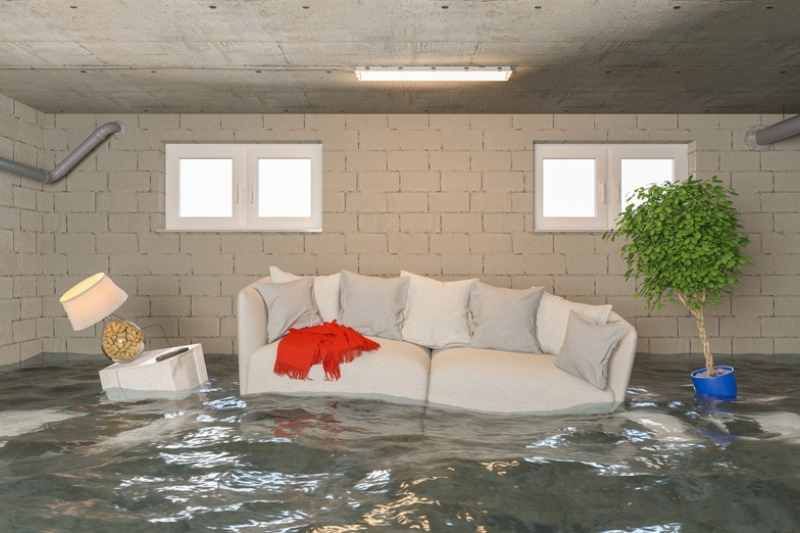
Flooded basements can occur suddenly. Heavy rains may overwhelm local drainage, or a sump pump may fail when you need it most. Responding correctly during those crucial first hours is essential for limiting damage and ensuring your home is safe for your family.
If you have water seeping into your basement, don’t be too quick to jump in. Floodwater brings hidden dangers—there could be electrical shock hazards, contamination, or even structural issues beneath the surface.
Key Steps for Crown Point Homeowners Facing Basement Flooding
Put Safety First
Before rescuing belongings or starting cleanup, think safety above all else. Floodwater and electricity are a dangerous combination. If the water has reached electrical outlets or appliances, stay away from the area entirely to avoid shock.
You should also be alert for any sign of natural gas leaks. If you notice a gas odor or see evidence that your gas line may have been disturbed, evacuate the house immediately and contact the proper authorities to ensure it’s safe to return.
Avoid Direct Contact with Floodwater
Floodwater is rarely just rainwater. It could carry sewage, chemicals, or even animal waste from the surrounding area. If you must enter a basement determined safe from electrical hazard, wear waterproof boots and rubber gloves. Always keep children and pets entirely out of the flooded space.
Identify and Address the Water’s Source
Once you’ve addressed immediate safety concerns, it’s important to identify how and where water is entering your basement. Common causes include:
- Groundwater seeping through the foundation
- Overloaded or malfunctioning sump pump
- Backed-up or damaged drains
- Leaking or burst plumbing pipes
- Poorly maintained exterior drainage or blocked gutters
Determining the source shapes your response and the immediate repairs required. Continued flooding or uncertainty about the cause? Reach out to a professional plumber quickly.
Sump Pump Troubles: What to Know
Crown Point homes rely on sump pumps during heavy rain events, but failures often strike at the worst moment. Power outages, motor burnout, or simply a clogged intake can halt your pump. If your sump pump is not running, do not attempt repairs in hazardous conditions or standing water. It’s much safer to leave inspection and any repairs to a certified technician.
Shutting Off Your Water Safely
If a burst or leaking pipe is the cause of flooding, stopping the water at its source is critical. Know where your home’s main shutoff valve is located, but only attempt to reach it if doing so is safe. Never walk through standing water near electrical outlets or wiring to shut off your supply. If in doubt, wait for professional assistance.
Refrain from Using Electrical Equipment
Using fans, shop vacs, or extension cords to dry out your basement might be tempting, but these devices can be dangerous in wet environments. Never plug in or operate electrical equipment in damp or flooded areas. Have a professional check anything that may have come into contact with floodwater before use.
Document the Extent of the Damage
Before starting cleanup, be sure to thoroughly document the scene. Photos and videos should capture:
- Water levels and affected square footage
- Damage to walls, floors, personal property, and furniture
- State and condition of appliances
- Sump pump and pit conditions
- Visible points where water entered
This documentation will prove invaluable for insurance claims and adjusting. Contact your insurance agent to learn their preferred process before making repairs or starting disposal.
Don’t Underestimate Hidden Moisture
Even when your basement appears dry, water may linger behind walls, within flooring, or beneath cabinetry. Mold and mildew can establish themselves in as little as 24 to 48 hours in these spots. Materials like sheetrock, carpeting, and insulation often need more than just drying out—they may require full removal and replacement to avoid lasting air quality issues and mold growth.
Keep an Eye on Your Drains and Sewer Lines
If you notice water backing up or slow drains anywhere in your home during or after a basement flood, it may indicate an underlying drainage or sewer problem. Signs like gurgling drains or unpleasant odors could signal that your main lines need a professional inspection. Hold off on using your sinks, toilets, or tubs until a plumber has given you the all-clear.
Check Your Plumbing and Sump Pump After the Flood
Once the immediate flooding has subsided and your home is safe, schedule a full inspection with a licensed plumber. They can check for issues with aging sump pumps, partially blocked discharge lines, and hard-to-detect plumbing leaks—helping you avoid repeat problems and ensuring your home’s resilience for the next storm.
How to Prepare Your Crown Point Home for Future Flooding
While no one can guarantee a flood-proof basement, a few preventive strategies will reduce future risks. Test your sump pump at least every few months by pouring water into its pit to ensure it’s functioning properly. Installing a battery backup system is a wise investment so your pump continues to operate through power outages.
Regularly clear leaves and debris from gutters and downspouts so water is diverted away from your foundation. If you’ve experienced multiple floods or can’t locate the source, arrange for a comprehensive plumbing and waterproofing evaluation. The professional team at Summers Plumbing Heating & Cooling is always prepared to help Crown Point homeowners protect their property.
Summers PHC Can Help Safeguard Your Home
Basement floods are a stressful event for any Crown Point resident, but you don’t have to handle them alone. If plumbing breakdowns, drainage failures, or sump pump malfunctions have left your lower level underwater, count on our experienced, licensed team for clear solutions and transparent pricing. With friendly service, background-checked plumbers, and a commitment to your family’s safety, Summers Plumbing Heating & Cooling is your trusted choice for recovery and prevention.
Ready for reliable help? Call (219) 797-6150 to speak with one of our experts or schedule service online today. We’ll help you protect your home and your peace of mind after a flood.