

Proactive Water Heater Care in Crown Point: Prevent Failures Caused by Warming Groundwater
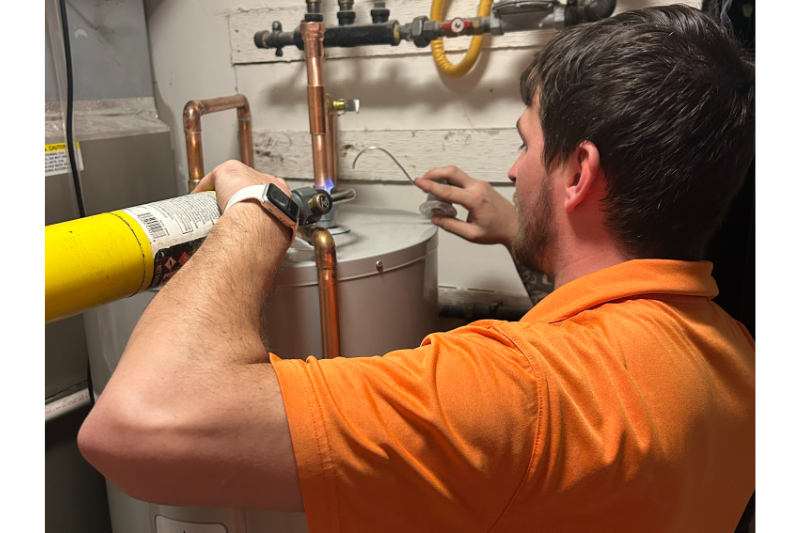
As the last traces of winter begin to fade and the temperature rises across Crown Point, Indiana, it’s an ideal time for homeowners to pay closer attention to critical home systems. While most people focus on preventing frozen pipes during the coldest months, far fewer consider the unique impact that warming groundwater brings with spring’s arrival. Understanding how seasonal temperature shifts can affect your water heater will help you avoid sudden breakdowns and expensive repairs as we head into warmer months.
Need professional help ensuring your water heater is safe and efficient? Contact Summers Plumbing Heating & Cooling for expert water heater services in Crown Point. Get a $59 Water Heater Safety Inspection for this month only! (Terms and conditions apply).
Why Warming Groundwater Matters for Your Water Heater
At first, warmer incoming groundwater might sound like a good thing for your water heater’s efficiency. However, the transition from cold winter conditions to significantly warmer spring temperatures can stress your water heater in unexpected ways. When icy winter groundwater gives way to spring’s milder inflows, it’s not just a comfort shift—it’s a major adjustment for your home’s plumbing.
Scheduling a spring maintenance check for your Crown Point home means catching potential problems early. This preventive step helps your water heater adapt to changing conditions and keeps it operating smoothly throughout the year.
The Effects of Rising Groundwater Temperatures
As groundwater temperatures increase, two primary risks often emerge for water heaters: mineral scaling and excess system pressure related to thermal expansion. Knowing how these problems develop can help you avoid inconvenient malfunctions and extend your water heater’s life.
Mineral Scaling and Sediment Build-Up
Warmer water on its own isn’t a threat, but it can dissolve more minerals such as calcium and magnesium, meaning your household may experience “hard water” with the arrival of spring. When this mineral-rich water is further heated inside your water heater, deposits settle as sediment on the tank bottom and heating components over time.
The result is a growing barrier of sediment that insulates heating elements, forcing them to work harder to heat your water. Not only does this cut down your water heater’s efficiency, but it also increases energy bills and strains the system, raising the risk of overheating. Eventually, this can damage key components and shorten your unit’s lifespan—a risk no homeowner wants to take.
Corrosion and Tank Leaks
Sediment doesn’t just reduce efficiency. When it builds up inside the water heater, it can also create hot spots that wear down the protective lining of the tank, opening the door to rust. Left unchecked, this process leads to corrosion, leaks, and, in severe cases, sudden and catastrophic tank failure.
Overpressure Dangers
Warmer water coming into the tank heats and expands quickly, raising the internal pressure. If the rise in pressure isn’t managed properly, it puts additional strain on tank walls and the connections between components. Over time, this can lead to joint leaks or, worse, critical system failures.
Essential Spring Maintenance Steps for Crown Point Homeowners
While a professional inspection is always recommended, there are several tasks you can handle yourself to ensure your water heater and plumbing stay in optimal condition as the season changes.
Check for Signs of Leaks
Make a habit of looking for moisture around your water heater, in the basement, and under sinks. Damp spots on the floor, water stains on walls, or rust near the heater’s base can all be signs of small leaks that need quick attention.
Keep Water Pressure in Check
Using a simple screw-on pressure gauge, test your home’s water pressure at an outdoor tap. The pressure should be between 40 and 60 psi. If you’re outside of this range, you may have plumbing issues that can impact your water heater’s longevity.
Flush the Water Heater
Flushing your water heater once or twice a year helps remove sediment before it can cause trouble. Turn off the power or gas supply, connect a garden hose to the drain valve, and let water (and accumulated sediment) flow out until it runs clear. This maintenance step promotes efficient heating and quiet operation, while also extending the lifespan of your equipment.
Don’t Forget the Basement and Surrounding Systems
Protecting your water heater isn’t just about the tank itself. Moisture from spring rains or snowmelt can enter basements and threaten both the water heater and your home’s foundation. Ensure gutters and downspouts are clear and channel water away from your home to prevent basement flooding.
This is also a great time to test your sump pump by pouring a bucket of water into the pit. Making sure this system is operational will help keep excess water at bay, protecting your water heater from external threats like waterlogged basements or electrical hazards.
Professional Water Heater Service Makes the Difference
A regular DIY checklist is important, but professional maintenance offers peace of mind that comes with a thorough inspection and expert care. When seasonal changes arrive in Crown Point, calling in the professionals ensures that no detail is overlooked—from pressure relief valves to tank integrity and sediment checks.
If your water heater is making unusual noises, struggling to keep up with demand, or showing signs of age, a spring service appointment could make the difference between convenient hot water and a headache-inducing breakdown.
Summers PHC—Your Partner for Reliable Water Heater Care
Preventing water heater failures caused by rising groundwater temperatures takes awareness, routine maintenance, and a team you can trust. Don’t wait until your system is stressed or in need of repair. The experts at Summers Plumbing Heating & Cooling are always available to help Crown Point residents navigate seasonal changes and keep water heaters running efficiently.
Ready for a water heater safety inspection or a thorough tune-up? Call 219-797-6150 or schedule your service online today for trusted care tailored to your Crown Point home. With customer-focused service and technical excellence, we’ll help you enjoy reliable hot water all season long.