

Proactive Water Heater Care: Tackle Failures Caused By Thawing Groundwater in Glendale Heights
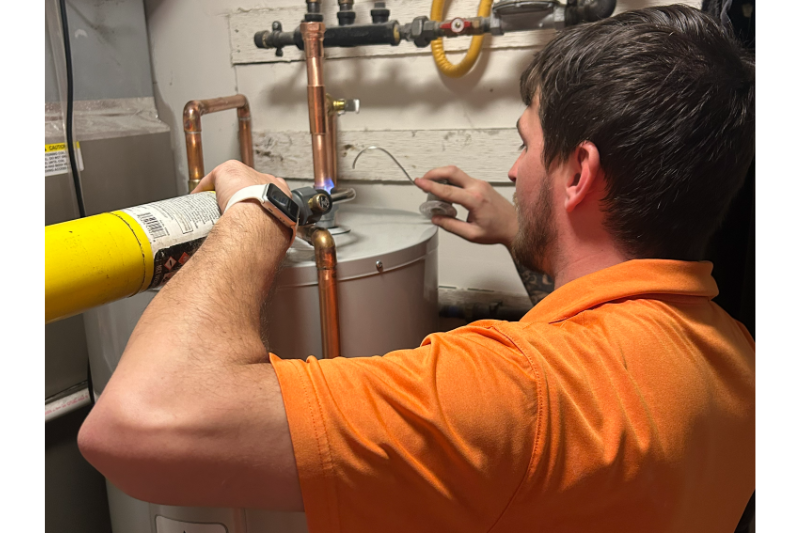
Springtime in Glendale Heights brings much more than blooming flowers and brighter days. As winter recedes and the ground begins to thaw, your home’s plumbing system can face new and often unexpected challenges—especially your water heater. Fluctuating groundwater temperatures during this seasonal transition can trigger problems that went unnoticed during colder months. For homeowners in the Glendale Heights area, understanding and managing these risks is key to avoiding costly repairs and ensuring comfort throughout the spring.
Need professional help ensuring your water heater is safe and efficient? Contact Summers Plumbing Heating & Cooling for expert water heater services in Glendale Heights. Get a $59 Water Heater Safety Inspection this month only! (Terms and conditions apply).
Many homeowners don’t realize that warming groundwater is a primary contributor to spring water heater failures. As outdoor temperatures rise and ice melts away, the water feeding your home’s plumbing shifts from frigid to surprisingly warm. This change, while subtle, can put extra stress on appliances that have already worked hard during a long winter. A spring plumbing tune-up is a smart, preventative solution. That’s why Summers Plumbing Heating & Cooling encourages Glendale Heights families to address water heater care as part of their seasonal maintenance.
The Impact of Warming Groundwater on Your Water Heater
As the ground thaws in Glendale Heights, groundwater temperature naturally rises. After months of processing very cold water, your water heater suddenly handles much warmer input. The result is a combination of internal stressors and performance challenges that can cause even new units to fail prematurely if neglected.
Why the Change in Groundwater Temperature is a Threat
When warmer spring water flows into your system, several things can happen:
- Accelerated Mineral Scaling: As water temperature increases, it dissolves more minerals like calcium and magnesium. These minerals enter your water heater, where they are heated again, accelerating the process of scale buildup on heating elements and tank walls.
- Reduced Efficiency and Overheating: Scale layers act as an insulator, forcing your heater to run longer while using more energy. This not only increases utility bills but also heightens the risk of overheating—especially on tank bottoms that are prone to scorch marks and potential failure.
- Corrosion and Potential Leaks: Sediment and scale can trap pockets of hot water, wearing away the tank’s protective lining. Over time, corrosion causes leaks, damaged valves, and even catastrophic tank ruptures if not addressed early.
- Pressure Buildup: As incoming water reaches higher temperatures quickly, pressure can accumulate. Older units or those lacking a functional pressure relief valve may experience leaks or, in worst-case scenarios, tank ruptures.
Key DIY Spring Maintenance Tips for Your Water Heater
Routine checks can dramatically extend the life and reliability of your water heater, especially during spring’s seasonal transition.
Check for Visible Leaks
Look under sinks, around your water heater’s base, and along the basement floor for standing water or damp patches. These can be telltale signs of silent leaks developing in your system.
Inspect Walls and Ceilings
Pay attention to new water stains or damp areas, especially if they’re near pipes or where your heater is located. If the house is quiet, listen for subtle drips or running water behind walls—hidden leaks often reveal themselves through sound before sight.
Monitor Water Pressure
Using an affordable water pressure gauge, test outlets throughout your home. Ideally, household pressure should stay between 40 and 60 psi. Readings outside this range indicate a possible problem that can strain plumbing and your water heater.
The Importance of Flushing Your Water Heater
Among all spring maintenance activities, flushing your water heater stands out as one of the most effective. Glendale Heights homeowners can often perform this task themselves to reduce sediment and scale buildup:
- Turn Off the Power: For electric heaters, switch off the breaker. For gas units, set the thermostat to ‘pilot’.
- Drain the Tank: Attach a hose to your tank’s bottom drain valve. Direct water to a floor drain or outside. Open a hot water tap to let air in, and empty the tank until the water runs clear.
Regular flushing eliminates the sediment that causes rumbling noises and stress fractures in the tank. It restores heating efficiency, helps safeguard against overheating, and extends the life of your unit.
Extending Care Beyond the Tank
While your water heater is the primary focus, it’s important to look at your plumbing system holistically. Glendale Heights’ spring often involves added moisture, which can challenge even well-maintained homes.
Managing Gutters and Foundations
Make sure gutters, downspouts, and drains are clear and direct water away from your foundation. Pooling water near the base of your home can seep into basements, promoting rust and corrosion at the bottom of floor-mounted heaters.
Testing Your Sump Pump
Test your sump pump seasonally by pouring a bucket of water into the pit. The pump should activate and quickly remove the water. A reliable sump pump keeps basements dry and reduces risk to nearby plumbing and heating equipment.
Time for a Professional Spring Checkup?
A new season is a perfect reminder to go beyond basic maintenance. Even with reliable DIY care, certain tasks require a professional eye to spot and resolve developing issues before they turn into emergencies. The team at Summers Plumbing Heating & Cooling knows the unique challenges that Glendale Heights homes face each spring. With our expert evaluation and tune-up services, you ensure maximum efficiency and peace of mind for the long, warm months ahead.
Summers PHC: Your Water Heater Experts in Glendale Heights
If you’re ready to safeguard your water heater for the changing season, now is the time to act. Schedule professional service with Summers Plumbing Heating & Cooling to keep your system running efficiently—and catch potential issues early. To book an appointment or learn more about our spring specials, call us at (331) 322-1021 or schedule service online. Protect your home and enjoy reliable hot water all season long!

