

Top 5 Most Common Plumbing Emergencies and How to Handle Them in Glendale Heights
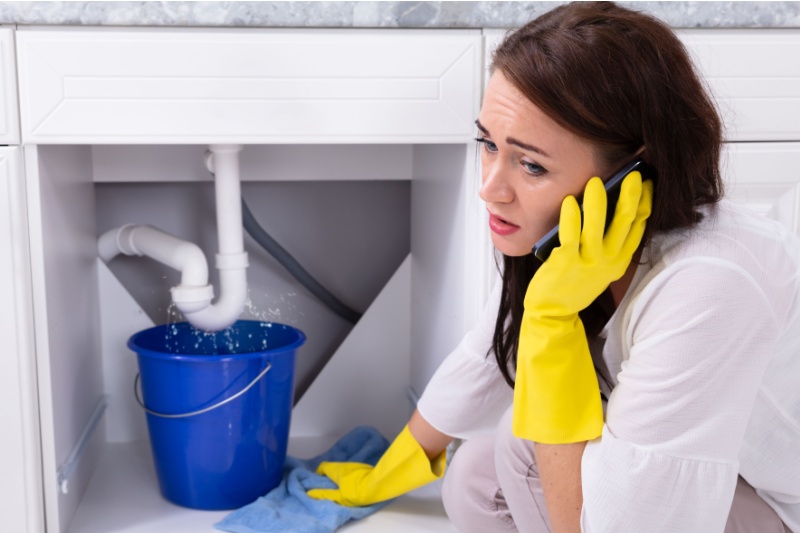
Plumbing emergencies have a way of catching homeowners off guard, and often strike at the most inconvenient times imaginable. Whether you’re hosting guests, preparing for the holidays, or simply enjoying a quiet evening, having a pipe burst or a toilet overflow can bring daily routines to a standstill in Glendale Heights. The stakes can be high, as even small plumbing issues can quickly escalate, leading to extensive damage and mounting repair bills if not addressed promptly.
Need professional help maintaining your plumbing system? Contact Summers Plumbing Heating & Cooling for expert service in Glendale Heights. Have your water heater inspected for only $59, or let us clean your drain for just $99! Hurry! Take advantage of our ongoing local maintenance specials – limited-time offer only! (Terms and conditions apply).
For Glendale Heights residents, staying vigilant and knowing how to respond in the first moments of a plumbing crisis can save you time, money, and stress. Below, we’ll walk through the top plumbing emergencies homeowners commonly encounter, plus practical tips for handling them before the professionals arrive.
Burst or Damaged Pipes
During the winter months, frigid temperatures in Glendale Heights can put your pipes at risk, making burst or cracked pipes a frequent problem for local households. Other causes like aging, corrosion, or increased water pressure can also result in pipe damage. The effects are seldom minor—a burst pipe can release gallons of water within minutes, threatening floors, walls, and foundations.
If you experience a burst pipe, your first priority is turning off the main water supply. Doing so stops additional water from entering the system and can keep the damage from spreading further. Next, open the faucets throughout your home to help drain any remaining water and relieve pressure. Use towels and buckets to contain minor leaks if you can do so safely. Temporary measures like pipe clamps may help, but these are only stopgaps until a professional plumber assesses the full extent of the damage.
Prompt action is crucial. Even small cracks can spiral into major issues, so contact a Glendale Heights emergency plumber as soon as possible.
Overflowing Toilet
An overflowing toilet can strike suddenly, leaving you scrambling for a solution. This common plumbing emergency most often traces back to blockages—whether from flushed items that shouldn’t go down the pipe, too much toilet tissue, or clogs in the plumbing vent system.
When water starts to rise unexpectedly, quickly turn off the shutoff valve located behind or near the base of the toilet to halt the flow. Then, carefully remove the tank lid and either lift the float or close the flapper valve to keep the tank from refilling. For basic blockages, a high-quality flange plunger can usually do the trick. If that doesn’t solve the problem, using a toilet auger may help reach stubborn clogs further along the pipe.
If DIY methods don’t relieve the overflow or if water continues threatening to spill onto your floors, do not hesitate to call a plumber. Dealing with an overflow promptly stops damage from spreading to your baseboards and subfloor, and prevents potential health hazards associated with untreated wastewater.
Clogged Drains or Fixtures
Clogged drains are a nuisance in virtually every Glendale Heights home at some point. Typical causes include accumulated hair, grease, soap scum, food remnants, or even accidental obstructions. When water drains slowly from more than one fixture, it could indicate a deeper problem within the main drainage system.
Avoid using chemical drain cleaners, as these can harm pipes and worsen your problems over time. Instead, try plunging the drain or using a handheld drain snake for stubborn blockages. If you’re able to do so safely, check and clean out the accessible P-trap under the sink. When all else fails or when multiple fixtures start slowing down, discontinue water use and get professional help to avoid a potential sewage backup.
Ignoring a sluggish drain may only delay a much larger and more damaging emergency later down the line.
Sewer Backup
Of all plumbing emergencies, a sewer backup can be the most alarming. Backed-up drains, bubbling toilets, and raw sewage entering your home can quickly become a health hazard. In Glendale Heights, heavy rain or invasive tree roots often lead to these kinds of sewer blockages.
The first step if you suspect a sewer backup is to stop using all plumbing fixtures immediately—don’t flush, run water, or use appliances that drain into the system. Keep pets and family members away from contaminated areas, and increase ventilation by opening windows. Do not attempt to clear sewer blockages yourself, as plunging can worsen the problem or expose you to hazardous materials.
Contact a licensed local plumber right away to resolve the backup correctly and to begin the necessary cleanup and sanitization process.
Water Heater Failure or Leak
Your water heater is essential for comfort, so any sign of a leak, odd noise, or lack of hot water should be taken seriously. Sediment buildup, malfunctioning valves, or simply old age can mean your heater is just one step away from a breakdown.
If your water heater springs a leak or begins to show signs of trouble, turn off the power or gas supply followed by the cold water inlet valve. If possible, carefully drain a portion of the tank to reduce pressure and catch leaking water with a container. Water heater malfunctions can be a source of significant water loss and property damage, so schedule a professional inspection quickly. In some cases, replacing the tank right away is the most cost-effective choice.
When You Suspect a Gas Leak
Some plumbing emergencies also involve gas lines, especially if your water heater or appliances run on natural gas. Smelling rotten eggs or hearing hissing near your pipes may signal a gas leak—a critical hazard best handled with extreme caution. Evacuate your home immediately and then call your gas utility and a qualified plumber with experience in gas line repairs. Never try to fix a gas leak yourself.
Proactive Tips for Homeowners
Glendale Heights homeowners can take steps to minimize the risk of plumbing emergencies. Insulating exposed pipes before winter’s chill sets in, periodically upgrading outdated piping, and scheduling annual plumbing inspections can all safeguard your home. During harsh temperatures, letting faucets drip overnight can help prevent pipes from freezing. Staying proactive means you’re less likely to face sudden crises.
Get Reliable Help for Plumbing Emergencies
A plumbing emergency in Glendale Heights requires an immediate, skilled response to protect your property and family. Summers Plumbing Heating & Cooling is ready to help with emergency repairs and maintenance, ensuring minimal disruption to your daily life.
If you find yourself facing a plumbing disaster or simply want peace of mind through preventive care, call us at 331-322-1021 or schedule a service online. Our team is committed to providing fast, effective solutions and up-front service for Glendale Heights area residents. Let us help you keep your plumbing system problem-free and your home comfortable year-round.

