

How to Thaw Frozen Pipes in Glendale Heights Without Causing Damage
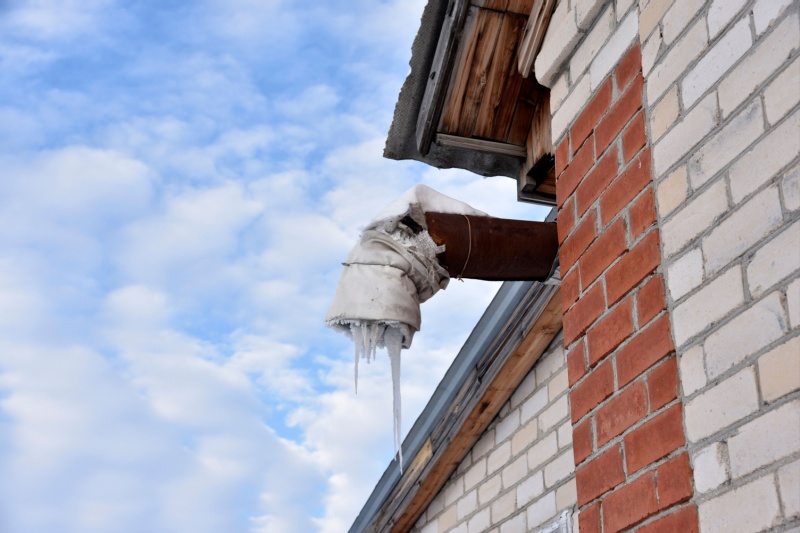
Winter in the Glendale Heights area often brings bitterly cold temperatures—and with them, the risk of frozen pipes for homeowners. When water inside your pipes freezes, it expands by about 9%, sometimes boosting the pressure from a manageable 40 PSI to an extraordinary 40,000 PSI. This dramatic rise in pressure can cause pipes to crack or burst, unleashing floods, water damage, and costly repairs throughout your home. The good news is, by following the right methods, you can safely thaw frozen pipes without causing additional harm.
Need professional help with your plumbing? Contact Summers Plumbing Heating & Cooling for expert solutions in Glendale Heights. Get a free service call with any paid repair today! (Terms and conditions apply).
How to Spot Frozen Pipes in Your Glendale Heights Home
The first step is determining if your pipes are, in fact, frozen. Start by checking your faucets. If you notice that water is trickling or not flowing at all from certain taps, a frozen pipe may be to blame. To test this, shut off your main water supply and open multiple faucets around your home. If only some faucets are affected or you detect just a faint stream, it’s a clear indication of frozen pipes somewhere in your plumbing.
Locating the exact spot of the freeze can be tricky. Pipes running along exterior walls or through unheated spaces—like attics or basements—are particularly vulnerable. You might spot surface frost or a suspicious bulge, both signs of ice blockage. When pipes are hidden within walls or if more than one line is affected, you may need professional assistance to avoid damaging your property in the process of searching.
Safe Methods for Thawing Frozen Pipes
Once you’ve pinpointed the frozen section, safe thawing is essential to minimize the risk of cracks or bursts. Always begin thawing at the faucet end, working back toward the blockage. This ensures any melted water can escape through the open tap and doesn’t build up pressure behind the obstruction.
Utilizing a Hair Dryer
A standard household hair dryer provides gentle, consistent heat—ideal for thawing exposed pipes. Set your hair dryer on a medium or high setting, then slowly move it back and forth over the frozen section. Never leave the dryer unattended, and avoid its use if you suspect a leak or notice any electrical hazards. Safety must come first.
Warm Towels: A Gentle Approach
If you’re concerned about potential risks from electrical devices, try wrapping the frozen section in towels warmed with hot water. Wring out excess moisture so the towels are damp, not dripping, then secure them around the pipe. Swap out the towels periodically as they cool, repeating until water resumes flowing from your faucet.
Using an Electric Heating Pad
A heating pad wrapped around the pipe segment offers steady warmth without open flames or direct exposure to heating elements. This hands-free solution can gradually raise the pipe’s temperature. Regularly check the progress and never leave the heating pad unsupervised.
Installing Heat Tape for Prevention
While heat tape is often used as a preventive measure, it can also help thaw pipes in an emergency. Self-regulating heat tape wraps easily around vulnerable pipes, automatically adjusting its temperature to prevent overheating. Installation is simple, but be sure to follow manufacturer instructions closely for safety.
Thawing Mistakes to Avoid
Some approaches can do more harm than good. Never use open flames—such as a blowtorch or candle—on your pipes, as this poses a major fire risk. Keep portable space heaters, kerosene, or propane heaters away from plumbing, and never try to thaw pipes by pouring boiling water over them. All of these methods can actually cause pipes to burst due to sudden expansion or rapid temperature changes.
Cold Weather Prevention Tips for Glendale Heights Residents
Prevention is always less stressful than dealing with burst pipes and water damage. In Glendale Heights, where winters can be especially frigid, these measures can help keep your pipes safe:
- Pipe Insulation: Foam sleeves, heat tape, or pipe wraps protect vulnerable lines in attics, basements, and garages.
- Keep Spaces Warm: Use safe portable heaters in poorly insulated areas.
- Seal Off the Cold: Fill gaps or cracks in walls and foundations near piping to cut down on drafts.
- Winterize Outdoors: Disconnect hoses, shut off and drain outdoor spigots, and install insulated hose bib covers or frost-free spigots for added protection.
- Steady Indoor Temperatures: Maintain consistent heating inside your home—even when you’re away.
- Trickle Faucets in Extreme Cold: Open faucets slightly to let a gentle trickle of water run during severe cold snaps. This keeps water moving and relieves pressure buildup if freezing starts.
These proactive steps can dramatically reduce your chances of facing pipe trouble this winter.
When to Call for Expert Help
Sometimes, even the most diligent homeowner can encounter a frozen pipe that won’t budge or a crack that’s gone unnoticed until it’s too late. If you can’t find or safely thaw the pipe—or if you see any signs of a burst, like wet drywall, pooling water, or mold—call a licensed plumber immediately. Professional plumbers have the expertise, equipment, and experience to quickly locate, repair, and protect your plumbing, sparing you from even bigger headaches down the line.
Your Expert Plumbing Partner in Glendale Heights
Frozen pipes are more than inconvenient—they’re an urgent threat to your home. At Summers Plumbing Heating & Cooling, our dedicated team is always prepared to assist Glendale Heights residents with fast, skilled pipe thawing, repairs, and ongoing prevention. Whether you’re facing a minor blockage or an emergency burst, our licensed professionals deliver solutions tailored to the unique challenges of local winters.
Summers PHC Is Ready to Assist
Protect your Glendale Heights home from the hazards of frozen pipes with help from the plumbing professionals at Summers Plumbing Heating & Cooling. Make the most of our local expertise and take advantage of flexible scheduling. Contact us at (331) 322-1021 for immediate assistance, or schedule your service online. Don’t wait for a minor freeze to turn into a major repair—reach out today and keep your plumbing safe all winter.

