

Preventing Water Pressure Issues in Your Glendale Heights Home
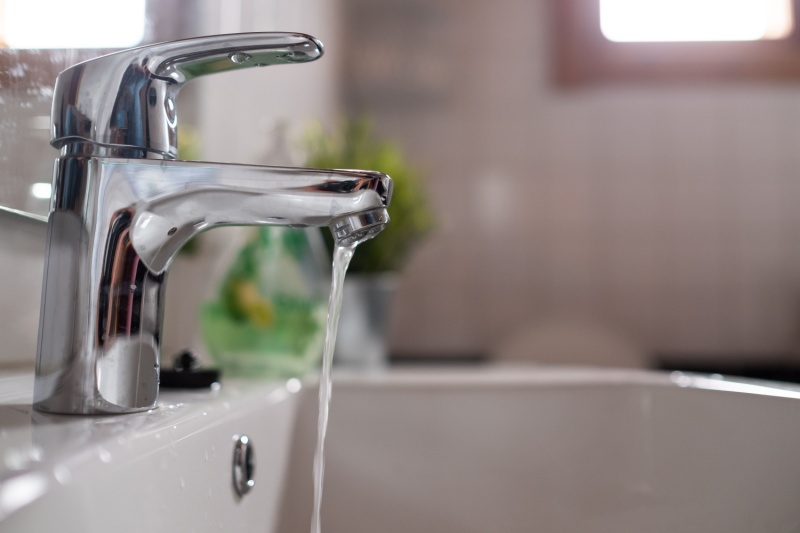
The water pressure in your Glendale Heights home plays a crucial role in everyday comfort, yet it often goes unnoticed until there’s a sudden change. Consistent water flow is necessary for tasks like showering, washing clothes, and dishwashing. However, fluctuating water pressure can stress your plumbing and lead to bigger problems, sometimes causing leaks or damaging fixtures. By taking proactive measures, you can help ensure your water pressure remains steady and your plumbing system is reliable.
Need professional help with your water heater? Contact Summers Plumbing Heating & Cooling for expert solutions in Glendale Heights. Get a $59 Water Heater Safety Inspection available for a limited time! (Terms and conditions apply).
At Summers Plumbing Heating & Cooling, we prioritize water pressure management for Glendale Heights homeowners. Our experienced plumbers have the tools and training to diagnose and fix water pressure issues quickly and efficiently. Sometimes, resolving problems means flushing out sediment from water heaters or performing targeted repairs. Preventative services, like our limited-time $59 water heater safety inspection, are designed to catch issues early and keep your plumbing running smoothly.
Common Causes of Water Pressure Fluctuations
Understanding what causes changes in your home’s water pressure is the first step toward prevention. Many water pressure issues start small and can often be caught with regular maintenance.
Partially Closed Main Water Valves
A simple culprit for low water pressure is a main shut-off or supply valve that’s not fully open. Valves can sometimes be left partially closed after plumbing repairs or emergencies, resulting in restricted water flow throughout the house. If you’re experiencing low pressure, double-check that all your main valves are completely open.
Mineral Buildup in Pipes
Glendale Heights is known for its moderately hard water, which means it contains elevated levels of minerals like calcium and magnesium. Over time, these minerals accumulate inside plumbing pipes, narrowing them and decreasing water pressure. This is a particular concern for homes with older galvanized steel pipes, as these are more likely to corrode and collect deposits faster than modern piping materials such as copper or PEX.
Plumbing Leaks
Even minor leaks within your plumbing system can lead to noticeable drops in water pressure. Whether it’s a small pinhole in a pipe or a leaking water heater, water loss can add up quickly, raising your utility bills and putting your home at risk for water damage. Signs to watch for include damp areas, water stains, or the presence of mold and mildew near pipes or fixtures. Any suspected leaks should be repaired without delay to avoid costly damage.
Malfunctioning Pressure Regulators
Pressure regulators are commonly installed in Glendale Heights homes to keep water pressure at safe and stable levels. When these regulators fail, pressure can either drop too low or surge upward, threatening your plumbing, appliances, and even fixtures. Regular testing and prompt replacement of old or faulty regulators is key to system health.
Clogged Fixtures and Appliances
Mineral deposits and debris can build up in faucets, showerheads, and appliance filters, significantly restricting water flow. If only one or two fixtures have poor pressure, the problem may be a clogged aerator or filter rather than a whole-house issue. Regular cleaning and, when needed, replacing fixtures will help prevent these spot-specific problems.
Inadequate or Outdated Pipe Size
Some older homes in the Glendale Heights area were designed with pipes that are smaller than today’s standards. Too-narrow pipes can choke water flow and limit pressure, particularly during periods of peak water use. In such cases, upgrading to modern plumbing may be needed to restore adequate pressure throughout the home.
Steps to Maintain Consistent Water Pressure
By adopting a few preventive strategies, you can keep your home’s water pressure steady and avoid sudden drops or dangerous surges.
Regular Water Pressure Testing
Testing your water pressure is easy with a simple gauge that attaches to an outdoor hose spigot. The ideal range is typically between 40 and 60 PSI for most homes. If your pressure is much lower or higher, further investigation is justified.
Leak Detection and Monitoring
Walk through your home occasionally to listen for the sound of running water behind walls and check for visible wet spots, stains, or mold. Watching your water meter for unexplained movement when all fixtures are off can help reveal hidden leaks.
Flushing Your Water Heater
Sediment from hard water can settle in your water heater, leading to reduced efficiency and lower water pressure. Flushing your tank at least once a year helps remove this buildup. If you aren’t sure how to do this or your heater is older, scheduling a professional flushing during your next service is a smart move.
Cleaning or Replacing Fixtures
Mineral buildup inside faucet aerators and showerheads will reduce water flow over time. Unscrew these parts and clean out any visible deposits. Consider replacing fixtures if buildup becomes severe or if problems persist after a thorough cleaning.
Maintaining Pressure Regulators
An unreliable pressure reading often points to a failing regulator. If you notice pressure fluctuations, contacting a licensed plumber to inspect or replace this part can restore and protect your plumbing system.
Upgrading Plumbing in Older Homes
If you live in an older Glendale Heights residence, upgraded pipes can resolve ongoing low-pressure problems. Swapping out galvanized or undersized pipes for modern copper or PEX materials improves water pressure and long-term reliability.
Proactive Prevention of Pressure Problems
Preventing water pressure issues is always easier than repairing damaged plumbing. A few long-term strategies can help keep your system performing at its best:
- Installing a water softener reduces mineral buildup from the area’s hard water supply.
- Choosing modern, water-efficient appliances conserves water without sacrificing performance.
- Insulating your pipes shields them from temperature swings that could cause bursts or leaks.
- Scheduling annual plumbing inspections can spot leaks or weak spots before they become emergencies.
- Relying on professional plumbing services for major repairs guarantees safe and accurate work.
Protect Your Glendale Heights Home from Water Pressure Issues
Water pressure fluctuations can quickly turn from an annoyance into a costly headache. Left unchecked, high pressure can damage sensitive appliances while low pressure may reveal leaks that could harm your home’s structure. With consistent maintenance and proactive care, you’ll enjoy reliable water flow and protect your investment.
Trust Summers Plumbing Heating & Cooling to Keep Your Water Pressure Just Right
If you’re dealing with water pressure challenges in Glendale Heights, don’t let them disrupt your comfort or put your home at risk. The skilled professionals at Summers Plumbing Heating & Cooling offer thorough inspections, expert repairs, and proven upgrades to safeguard your plumbing system. From diagnosing leaks to fine-tuning regulators, our team is ready to help.
Take charge of your home’s water pressure today. Call us at (331) 322-1021 or schedule your appointment online to experience lasting solutions. Be sure to visit our website for more information on services and current local specials, all designed to keep Glendale Heights homes comfortable year-round.

