

Protecting Your Crawfordsville Basement from Flooding: Essential Do’s and Don’ts
Protecting Your Crawfordsville Basement from Flooding: Essential Do’s and Don’ts
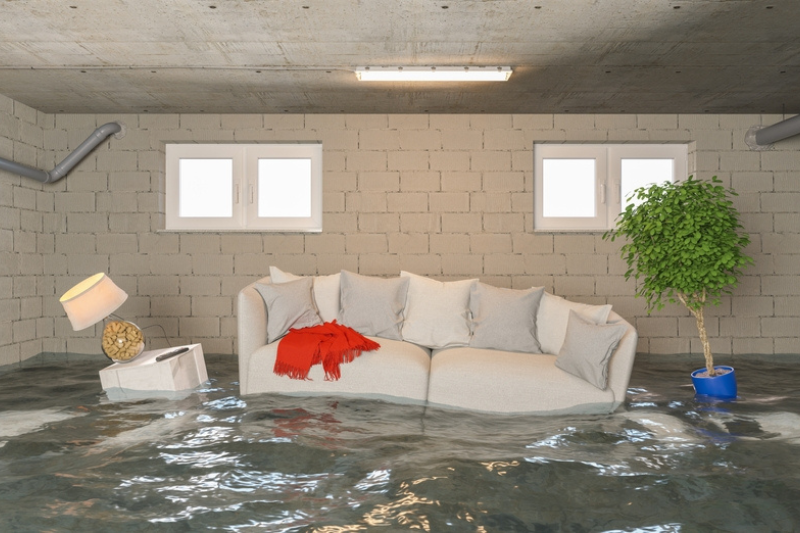
Heavy rains in the Crawfordsville area can leave homeowners unexpectedly facing the serious issue of basement flooding. The stress and disruption it causes are considerable, but it’s important to remember that you are not alone. Crawfordsville families have relied on Summers Plumbing Heating & Cooling since 1969 for swift, effective solutions to plumbing emergencies, including flooded basements. Knowing the right steps to take—both what to do and what not to do—can help protect your safety, minimize property damage, and speed your return to normalcy.
Need professional help with your plumbing issues? Contact Summers Plumbing Heating & Cooling for expert solutions in Crawfordsville. Get a Free Service Call with Any Paid Repair this month only! (Terms and conditions apply).
Basement floods often occur swiftly due to intense downpours overwhelming drainage systems, rising groundwater against your foundation, or sudden failures of sump pumps. Your immediate response can play a vital role in safeguarding both your home and everyone inside.
DO: Prioritize Safety Above All Else
Before you worry about salvaging your belongings, ensure that entering the basement is actually safe. Electricity and water are a dangerous mix. If water has reached electrical outlets or your panel, keep clear of standing water altogether. Do not attempt to access your breaker panel if you must wade through water to do so—professional assistance is crucial in these situations.
If you ever notice the smell of gas or suspect a gas line or appliance has been compromised by the floodwater, leave your Crawfordsville home immediately and call for professional help. If there is any doubt about electrical or gas safety, restrict everyone from entering the affected parts of your basement until experts confirm it’s secure.
DON’T: Enter Standing Water Without Understanding the Risks
Floodwater may contain more than rain. Depending on the source, you could be dealing with bacteria, chemicals, and even sewage. Sewage backups introduce harmful microorganisms that pose direct health hazards. Limit direct contact with any standing water. If it’s safe to commence cleanup, always use waterproof boots and gloves. Keep children and pets away from the flooded area for their own protection.
DO: Identify the Source of the Water
With immediate dangers addressed, look to determine where the water is coming from. Potential sources include excessive rainfall and seeping groundwater, an overwhelmed or failed sump pump, clogged or faulty drains, sewer or plumbing backups, broken water lines, or leaking appliances such as water heaters. If you suspect a plumbing origin—a burst pipe, a leaking drain, or a failed sump pump—call a professional plumber right away for targeted support.
DON’T: Assume Your Sump Pump Is Always Working
Heavy rainfall is when your sump pump matters most, but unfortunately that’s often when problems become apparent. Sump pumps can fail because of power interruptions, clogged intakes, stuck float switches, overflowed pits, or they simply cannot keep up with the water volume. If your sump pit is full or overflowing, do not try to fix the problem on your own, especially with standing water present. Trust a professional plumber to safely inspect and resolve sump pump issues.
DO: Stop the Water at the Source If Possible
If the flood is caused by a burst pipe or appliance malfunction, shutting off your home’s water supply can halt further damage. Every Crawfordsville homeowner should know where their main water shutoff valve is located before emergencies strike. Never risk your safety—if turning off the water requires wading through areas exposed to electricity, wait for professional help to arrive.
When flooding is due to severe weather, focus on keeping sump pumps and drainage systems running if it can be done safely. If you’re unsure of the right action, contact Summers Plumbing Heating & Cooling at (765) 310-3070 for immediate guidance.
DON’T: Use Electrical Devices in a Wet Basement
The instinct to quickly remove water using a wet/dry vacuum or fans is understandable, but never use electrical equipment if you’re standing in water or if the area’s electrical safety has not been established. Any appliance exposed to moisture—including water heaters, furnaces, washers, and dryers—should be professionally inspected before being used again.
DO: Thoroughly Document the Damage
Before discarding damaged possessions, document the impact for insurance claims. Take clear photos or videos of water depth, destroyed items, visible structural damage, affected appliances, and plumbing setups. Early and thorough documentation can prove invaluable in supporting your claim during the insurance review process. Contact your insurer promptly to learn which evidence is required before cleanup or repairs begin.
DON’T: Assume Danger is Over When Water Recedes
Many homeowners make the mistake of thinking the problem is fixed once the water is visibly gone. In reality, moisture can remain behind baseboards, within insulation, and beneath flooring, creating an ideal environment for mold. Porous materials such as carpeting and drywall may need complete replacement to prevent lasting damage and unhealthy air quality. Make sure your clean-up is thorough and targets hidden moisture.
DO: Monitor Basement Drains and Signs of Sewer Backup
If water is entering your basement through drains instead of through the walls, you might have a drainage or sewer issue. Warning signs may include slow drains, gurgling toilets, sewage odors, and water backing up through several fixtures. If waste water is returning to your basement, immediately discontinue use of all plumbing appliances to prevent further backup. Professional evaluation is the safest way to identify and clear any blockages that could threaten your home again.
DO: Schedule Plumbing and Sump Pump Inspections in Crawfordsville
Once the immediate emergency has passed and the area is dry, an in-depth inspection of your sump pump and plumbing system is vital. An evaluation can reveal underlying problems such as a worn-out or undersized sump pump, debris in the pit, blocked discharge pipes, plumbing leaks, broken check valves, or the need for a backup system. Addressing these vulnerabilities now prepares your home for the next bout of heavy rain and reduces the risk of future flooding.
Preparing for Future Heavy Rainfall in Crawfordsville
While you can’t control Midwest weather, you can prepare your home to better withstand it. Regularly test your sump pump by slowly pouring water into the pit to verify it activates correctly and drains water away from the foundation. Keep outdoor discharge pipes clear of obstructions so that water moves a safe distance from your home. Because storms often bring both rain and power outages, consider having a battery-backup sump pump system installed for peace of mind. Maintaining your gutters and ensuring that downspouts direct water well away from the foundation are simple steps that vastly improve your flood defenses. If basement flooding keeps recurring, consult a professional to explore lasting solutions that specifically address the causes around your property.
Summers PHC Is Ready to Help Protect Your Home
Crawfordsville residents know that after relentless rainfall or sudden plumbing malfunctions, a flooded basement is a serious risk. Whether you’re facing water in your basement right now or want to prepare for the next big storm, the licensed and background-checked technicians at Summers Plumbing Heating & Cooling can provide honest assessments and comprehensive repairs. Trust our team to help restore normalcy quickly, with clear pricing and friendly service that generations of Crawfordsville homeowners have come to rely on.
Don’t leave your home vulnerable to the next round of storms or hidden leaks. Schedule a professional plumbing or sump pump inspection today and take proactive steps toward a safer, drier basement.
Contact Summers Plumbing Heating & Cooling Today
Ready for peace of mind after a basement flood or want to protect your home from future water damage? Call our Crawfordsville team at (765) 310-3070 or schedule service online. Don’t forget to review our local specials to save on your next appointment.