
How to Safely Thaw Frozen Pipes in New Albany
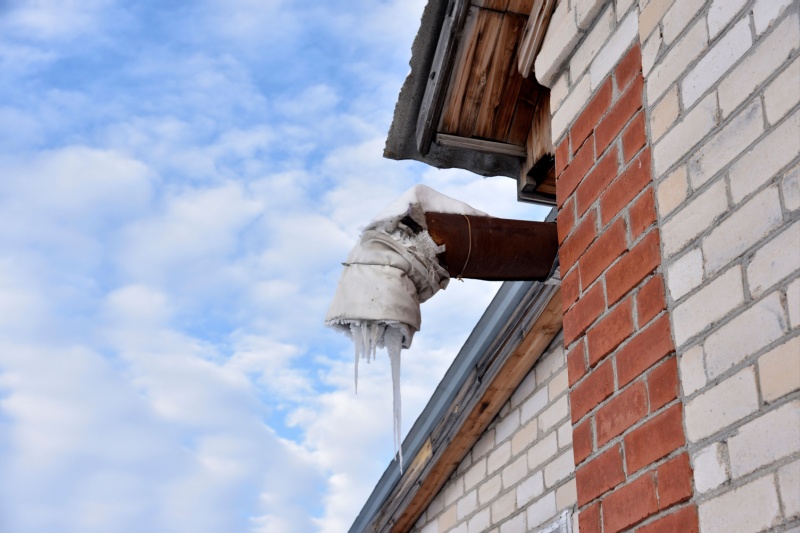
As winter temperatures drop across the New Albany area, homeowners face the common threat of frozen pipes. Local winters can be harsh, causing the water inside your pipes to freeze and expand by as much as 9%. This expansion can increase the pressure within your plumbing lines from a typical 40 PSI up to an astonishing 40,000 PSI. Such intense stress is more than enough to crack or burst a pipe, quickly leading to interior flooding, costly repairs, and lasting damage to your home’s structure. To prevent these scenarios, it’s vital to understand how to thaw frozen pipes safely, minimizing risk to both your plumbing and property.
Need professional help with your plumbing issues? Contact Summers Plumbing Heating & Cooling for expert service in New Albany. Get a free service call with any paid repair and keep your plumbing in top shape this winter! (Terms and conditions apply).
How to Identify Frozen Pipes
Pinpointing a frozen pipe in your New Albany home requires a bit of investigation. Start by shutting off your main water supply to minimize risk of leaks or flooding. Next, test several faucets throughout your house. If you notice little to no water coming from one or more taps, this is a strong indicator of a frozen pipe in that supply line. For outdoor or exposed pipes, look for telltale signs such as visible frost, unusual bulges, or damp spots on nearby walls or ceilings.
If the pipe runs inside a wall, acts sluggish but isn’t easily accessible, or if multiple lines seem affected, don’t attempt to expose or thaw it yourself. Hidden pipes are better handled by licensed professionals with the needed equipment and know-how to avoid collateral damage.
Safe Methods to Thaw Frozen Pipes
Dealing with a frozen pipe promptly helps avoid bigger problems. Once you identify the frozen section, keep the affected faucet open and attempt one of several safe thawing techniques.
Thawing with a Hair Dryer
A hair dryer is a tried-and-true tool for gently warming exposed frozen pipes. With the main water supply still off, aim the warm air at the frozen area, moving the dryer slowly along the length. Make sure you never operate a hair dryer near standing water or if you suspect the pipe has already burst, since electricity and water are a dangerous combination.
Warm Towels as a Gentle Alternative
If you don’t have access to a hair dryer, soak several towels in hot water, wring out the excess, and then wrap them securely around the frozen pipe. Replace towels as they cool to maintain consistent heat. This method is safe even if there’s a minor leak but tends to thaw pipes more slowly.
Electric Heating Pad for Consistent Warmth
An electric heating pad wrapped around the frozen section delivers ongoing, gentle heat that can encourage thawing. Like the previous methods, always keep the main water shut off until the pipe defrosts completely, and avoid leaving the heating pad unattended.
The Power of Heat Tape
For homeowners facing persistent freezing in certain areas, applying heat tape to exposed pipes can both thaw and help prevent future issues. This electrically powered tape wraps around the pipe directly and maintains a safe, controlled temperature to keep water flowing.
What to Avoid During Thawing
Some methods are dangerous and should never be used to thaw pipes. Never use an open flame or attempt to thaw pipes with a torch, candle, or matches. These create a high risk for fires and can worsen an already hazardous situation. Likewise, avoid portable propane or kerosene heaters, and don’t pour boiling water directly on pipes, as extreme temperature swings may cause them to crack.
Always begin thawing near the faucet, moving along the frozen section in the direction of the main line. This allows melting ice to escape through the open faucet and relieves built-up pressure as water begins to flow again.
Preventive Measures to Keep Pipes Safe
Winter in New Albany can be unpredictable, making prevention just as important as knowing how to thaw frozen pipes. Adopt these habits to greatly reduce the risks:
- Insulate vulnerable pipes with foam sleeves or heat tape, focusing on those in unheated spaces like basements, attics, and crawl spaces.
- Seal cracks or gaps in basement walls or around windows and doors to cut down on cold drafts.
- Disconnect garden hoses and fully drain outdoor spigots before the first freeze. Shut off water to exterior faucets and add insulated covers for extra protection.
- Upgrade old hose bibs to frost-free models if your home still has standard outdoor spigots.
- Maintain a consistent indoor temperature—never let your thermostat slip too low at night or when you’re away.
- Allow faucets to drip slightly during particularly cold nights to keep water moving, which lessens the likelihood of ice blockages.
When to Call a Professional Plumber
While some frozen pipes can be safely thawed with DIY methods, certain situations demand professional help. If the frozen section is hidden, the pipe has already cracked, or you cannot restore water flow after attempts to thaw, contact a licensed plumber promptly. Pros have specialized tools to safely detect and fix frozen or burst pipes, preventing further damage, costly repairs, and hazards like mold or compromised building materials.
New Albany residents should also consider calling a plumber if multiple pipes freeze at once or if recurring freeze-ups point to broader insulation or heating deficiencies in the home.
Trust Summers PHC for Frozen Pipe Solutions
Don’t risk damaging your New Albany home this winter. At the first sign of a frozen or burst pipe, Summers Plumbing Heating & Cooling is ready to respond with fast diagnostics, effective repairs, and guidance on preventing future freeze-ups. Our team stays current on industry best practices and delivers service you can rely on, no matter the scale of your plumbing issue.
Ready for professional help or want an expert to inspect your pipes before the next cold snap? Reach out to the friendly team at Summers PHC today. Call us at (812) 944-3969 or schedule your service online for prompt assistance. Let us help you keep your home dry, safe, and comfortable—whatever the winter brings.